
Tadoba Andhari Tiger Reserve: Navegaon, Pangdi & Beyond
Jungle Royalty · Tadoba, Chandrapur District, Maharashtra · April 2026
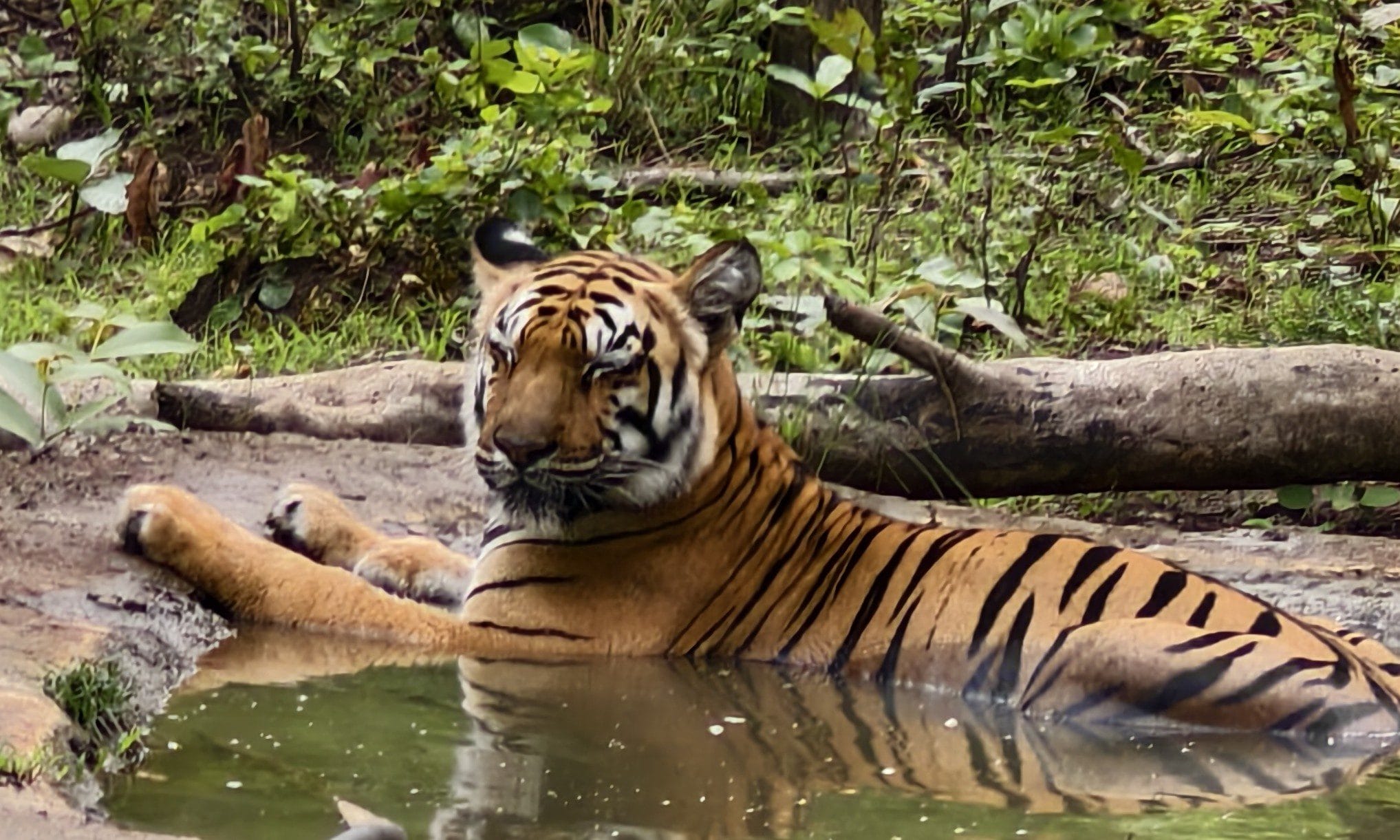
There is a moment in every Tadoba safari — usually about twenty minutes in, when the jeep engine is off and the forest has gone completely still — when you stop being a tourist and start being a witness. That moment came for us on the first morning drive into Navegaon Core Zone, with mist still sitting low on the teak canopy and the distant alarm call of a sambar telling us something big was close.
This is our field journal from 3 days at Tadoba Andhari Tiger Reserve — Maharashtra’s finest, and arguably India’s most consistent tiger habitat. We covered five zones across core and buffer areas, drove in from Mumbai overnight on the Samruddhi Mahamarg, and came back changed in that quiet way that only deep forests can manage.
🐅 Ready to experience Tadoba yourself?
🐅 Book Tadoba Tiger Safari ExperiencePowered by Viator — trusted safari & tour booking platform
▶ Watch our full Tadoba safari vlog on YouTube — TravelOnTales
About Tadoba Andhari Tiger Reserve
Tadoba Andhari Tiger Reserve (TATR) is the largest national park in Maharashtra, covering 625.4 sq km in the Chandrapur district of the Vidarbha region. Established in 1955, it is one of India’s oldest tiger reserves and currently home to over 115 tigers — making it one of Asia’s most productive tiger habitats.
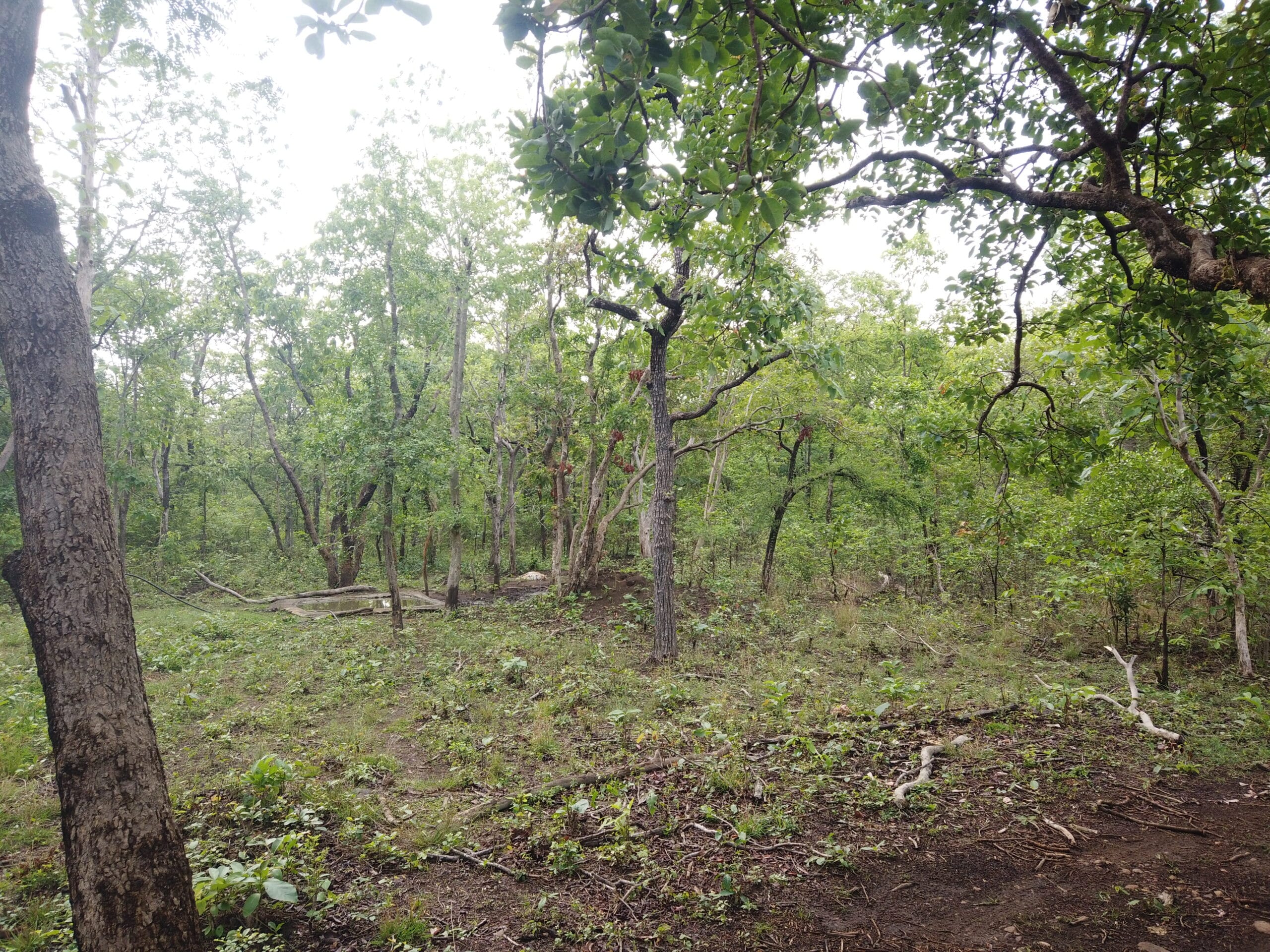
The reserve takes its name from the local Gond deity Tadoba and the Andhari River that meanders through its core. The forest is predominantly dry deciduous — teak, bamboo and tendu — broken by grassland meadows, seasonal waterholes and the permanent Tadoba Lake, which becomes the stage for dramatic wildlife encounters in summer.
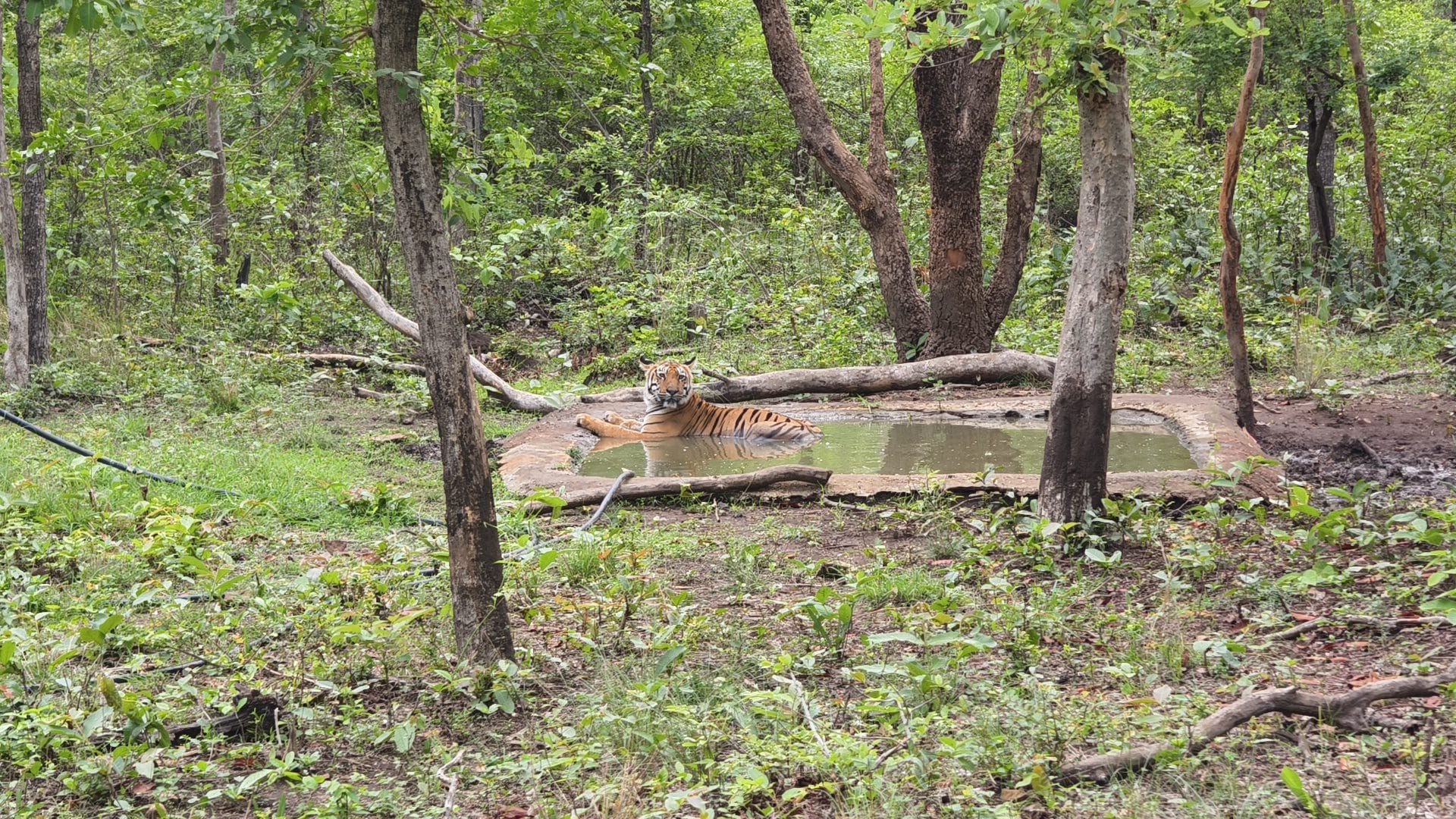
What sets Tadoba apart from other tiger reserves is the boldness of its big cats. Generations of tigers here have grown accustomed to safari vehicles, often walking down forest roads in full view or sitting calmly at waterholes as pull up within metres. It is this accessibility — not just the density — that has made Tadoba the first choice for many Indian wildlife photographers.
The Safari Zones We Explored
Tadoba has six core zone gates (Moharli, Kolara, Khutwanda, Navegaon, Zari, and Pangdi) and sixteen buffer zone gates. We covered two core and three buffer zones over three days. Here is what each offered us.
| Zone | Type | Character | Best For |
|---|---|---|---|
| Navegaon | Core | Quieter, hillocks and waterholes, dense dry-deciduous cover. About 140 km from Nagpur. Only 6 vehicles per slot — one of the least crowded core zones. | Tigers, leopards, birds, undisturbed forest feel |
| Pangdi | Core | Pristine and less frequented. Farthest from Nagpur (~250 km). Newer zone with excellent birding and peaceful forest roads. | Birding, photography, isolation |
| Alizanza | Buffer | Fantastic landscape, thick jungle, excellent gaur and sambar sightings. Less crowded than core with longer safari duration. | Indian Gaur, sambar, forest atmosphere |
| Sirkada | Buffer | Good sightings corridor, part of the Kolara range. Relaxed pace with reliable wildlife movement. | Deer, bison, peacocks, general wildlife |
| Belara | Buffer | Accessible buffer zone with a mix of open scrub and teak. Year-round access including monsoon. | Birds, sloth bear, open terrain photography |
Field note: Do not dismiss Tadoba’s buffer zones as second-best. Fewer vehicles, longer safari windows, and relaxed animals often mean better sightings and photography than the crowded core gates. Alizanza in particular felt like the finest safari of the trip.
Wildlife Sightings
Over five safaris across three days, here is what the forest offered us. Every sighting was unplanned, unposed, and real.
- 🐅 Tiger
- 🐻 Sloth Bear
- 🦌 Spotted Deer
- 🦚 Peacock
- 🦉 Owls
- 🐃 Indian Gaur (Bison)
- 🦢 Asian Openbill Stork
- 🦌 Sambar Deer
- 🐗 Wild Boar
- 🦅 Raptors
The Sloth Bear Encounter
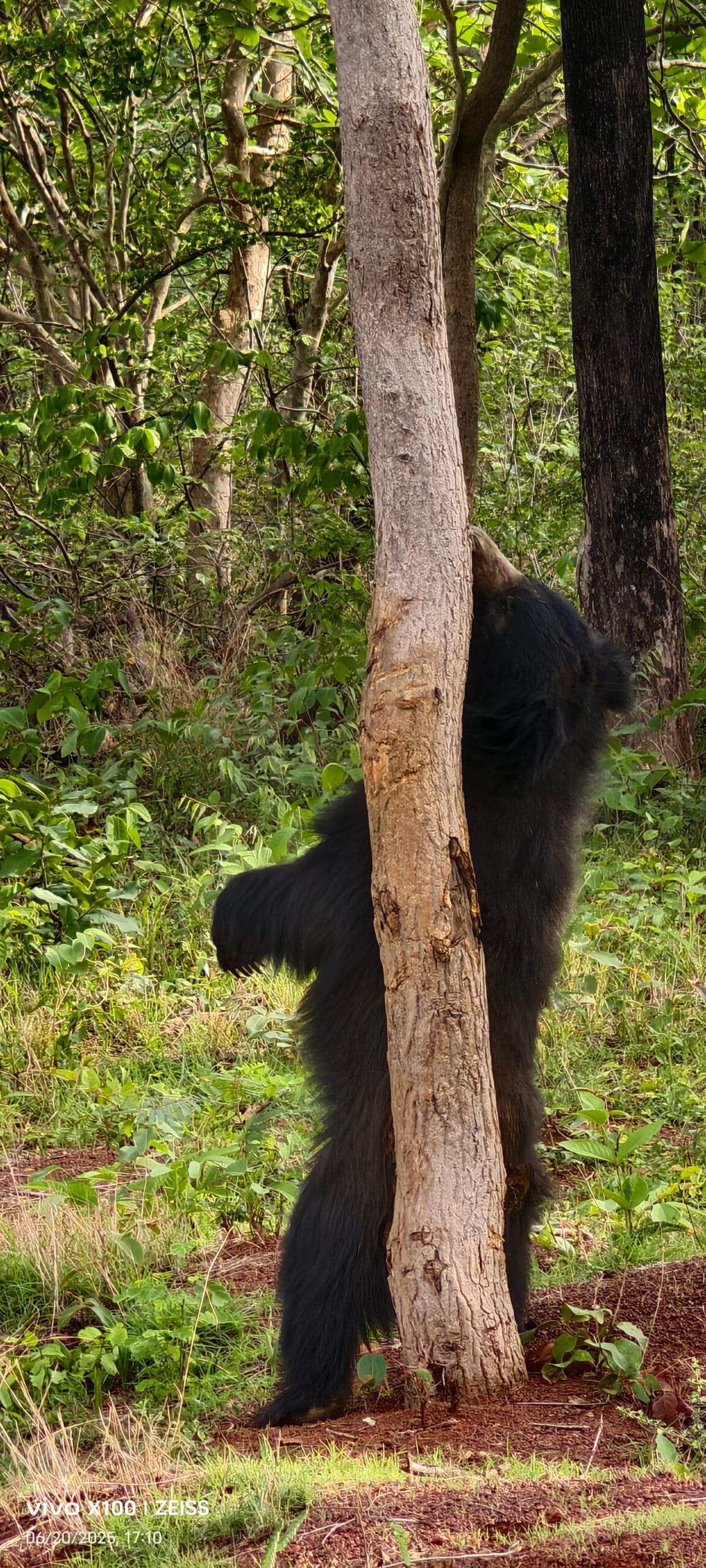
The sloth bear appeared on a forest road at Belara buffer zone, snuffling along the edge of the track before stopping to dig at a termite mound not thirty metres from the jeep. Sloth bears are notoriously skittish — this one seemed entirely indifferent. It was the kind of sighting that makes you forget to breathe. The Nikon Z50 was running before any of us could process what we were looking at.
The Asian Openbill Stork
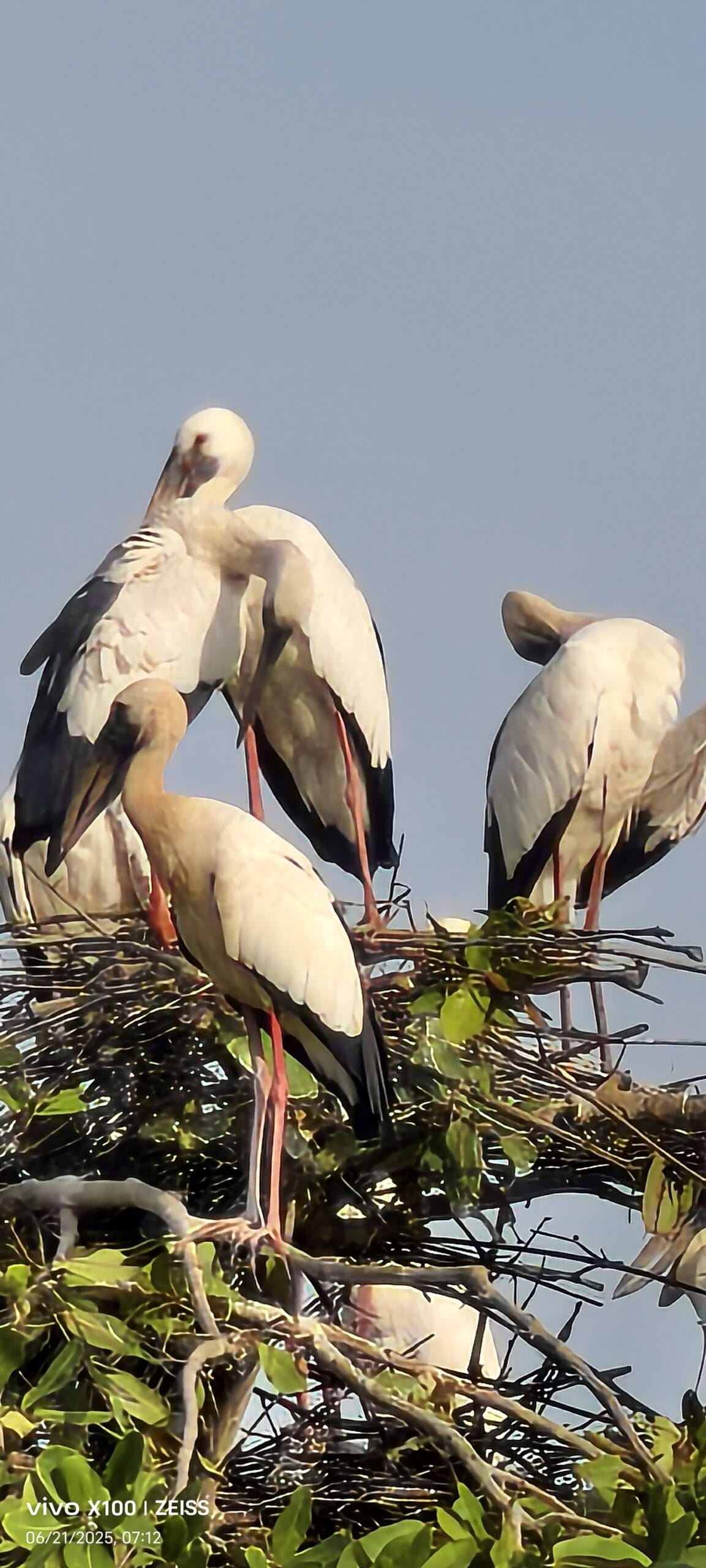
Anastomus oscitans — the Asian Openbill Stork — was a recurring presence near seasonal waterbodies throughout the trip. The distinctive gap in the mandible, evolved to extract snails and mussels, is immediately recognisable. Found in small flocks in marshy areas near the buffer zones.
How to Reach Tadoba from Mumbai
We drove from Mumbai and it was the right decision — the Samruddhi Mahamarg (Mumbai–Nagpur Expressway) has transformed this journey. What was once a punishing overnight grind is now a smooth, well-lit highway drive with proper rest stops. Here is the complete route breakdown.
Mumbai to Tadoba — Route Guide
By Train
Chandrapur Railway Station is the closest major railhead — about 45 km from Moharli Gate. Nagpur (the major hub, 140 km from most gates) is better connected with daily trains from Mumbai, Pune, Delhi and Hyderabad. From either station, local taxis are available to your safari gate or resort.
By Air
The nearest airport is Dr. Babasaheb Ambedkar International Airport, Nagpur — approximately 140 km from Tadoba. From Nagpur airport, a cab to Moharli or Kolara gate costs roughly ₹4,000–₹6,000 and takes around 3 hours.
Where We Stayed: Sylvan Woods
We stayed at Sylvan Woods — a forest-edge property that sits close enough to the buffer zones that the night sounds of the forest carry right through. Post-safari meals here were outstanding — the kind of simple, honest food that tastes extraordinary after five hours in a jungle jeep at dawn. The stay completed what the forest began: a total removal from the ordinary.
For those planning a similar trip, properties near the Navegaon and Kolara sides offer the best access to multiple gate options across both core and buffer zones without long transfers between safaris.
Booking Your Tadoba Safari — Practical Notes
- Book online at mytadoba.mahaforest.gov.in — the only official booking portal. Do not pay third parties above official rates.
- Advance window: Slots open 120 days prior. Popular core zones like Moharli and Kolara fill immediately — book as early as possible.
- Tatkal window: A limited quota opens 3 days before the safari date at 11:00 AM. Set an alarm.
- ID proof: Carry the original ID used at booking. It must be shown at the gate.
- Safari slots: Morning (roughly 6 AM–10 AM) and evening (roughly 2:30 PM–6:30 PM). Morning is better for big cat sightings.
- Vehicle: Only Maruti (the standard safari vehicle) are permitted inside core zones.” are permitted inside core zones. Your resort will arrange this.
- Mobile phones not permitted: Mobile phones are strictly not allowed inside the core zones of Tadoba Andhari Tiger Reserve. Carry a dedicated camera. Violations can result in ejection from the safari and cancellation of your permit.
- Park season: Open October 1 to June 30. Closed July–September (monsoon). Best for tigers: March–June.
Photography tip: Morning light between 6:30 and 8:30 AM is exceptional for forest photography. Carry a long lens (200mm+). The forest roads in Navegaon and Alizanza are particularly photogenic in soft early light.
What We Will Not Forget
Three days is not enough for Tadoba — every experienced wildlife photographer will tell you the same thing. But three days gave us five safaris, one tiger, one sloth bear, a dozen species we hadn’t planned for, and a waterfall scramble that nearly ended badly and ended perfectly instead. The post-safari food was better than any restaurant meal we’d had in months.
The Samruddhi Mahamarg has made Tadoba genuinely accessible from Mumbai — a weekend or long weekend trip is now a realistic proposition for anyone who has been putting it off. The buffer zones, Alizanza in particular, are no longer the consolation prize. They are often the headline act.
We will be back. The forest is not finished with us yet.
Frequently Asked Questions — Tadoba Andhari Tiger Reserve
How to reach Tadoba from Mumbai?
Drive via the Samruddhi Mahamarg (Mumbai–Nagpur Expressway) to Nagpur, then south to Chandrapur. Total distance is approximately 800 km, roughly 9–10 hours. Alternatively, take a train to Chandrapur or Nagpur and hire a local cab to your gate.
Which is the best zone in Tadoba for tiger sightings?
Moharli and Kolara core zones are traditionally highest-rated for tiger sightings. However, Navegaon core is quieter and has excellent tiger density with only 6 vehicles per slot. Do not overlook the buffer zones — Alizanza, Devada and Junona regularly rival core zones for sightings with far fewer vehicles.
What is the best time to visit Tadoba?
The park is open October to June. March to June is best for tiger sightings as animals concentrate near waterholes. October to February offers comfortable weather and lush post-monsoon greenery. June can be extremely hot but rewards with open terrain and frequent waterhole visits.
How do I book a Tadoba safari?
Only through the official portal: mytadoba.mahaforest.gov.in. Advance slots open 120 days prior. A Tatkal quota opens 3 days before at 11 AM. Carry original ID to the gate.
What wildlife can I see at Tadoba beyond tigers?
Tadoba supports sloth bear, Indian gaur, leopard, wild dog (dhole), spotted deer, sambar, peacock, wild boar, Asian Openbill Stork and over 195 species of birds. Birding in the Pangdi and Navegaon zones is particularly rewarding.
Planning a Safari? We Can Help.
For advice on zones, timing, safari booking, or recommendations for stays near any of India’s major wildlife reserves, get in touch. We share honest field notes — not sponsored itineraries.
Contact us via the Best Safaris in India (2026 Guide) →Affiliate link — we earn a small commission at no extra cost to you
Also from the field