
While Tadoba-Andhari Tiger Reserve is famous for its majestic Bengal Tigers, it is equally rewarding for bird enthusiasts. The reserve’s lakes, bamboo forests, dry deciduous woodlands, and grasslands support over 280 bird species, making it one of Maharashtra’s finest birdwatching destinations. From soaring raptors to elegant storks and graceful egrets, every safari offers something special for nature lovers and wildlife photographer.
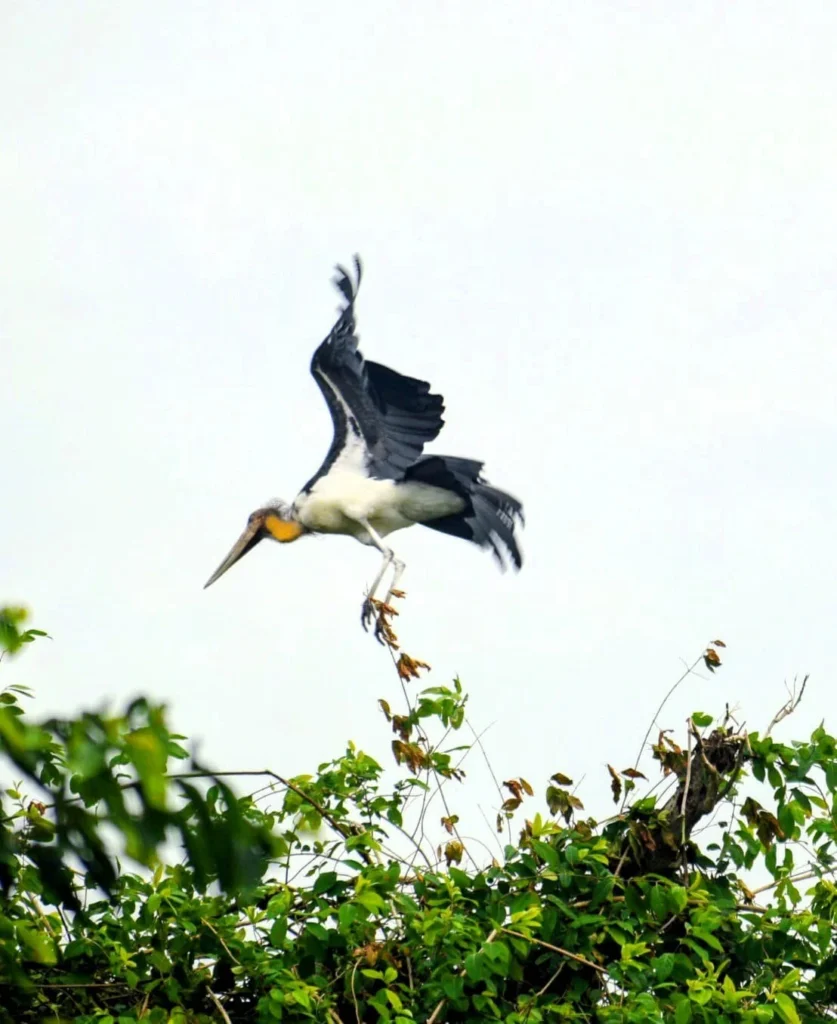
Adjutant-Stork-of-Tadoba
Habitat
The Lesser Adjutant prefers wetlands, marshes, riverbanks, lakes, flooded grasslands, and forest edges. In Tadoba, it is commonly seen around water bodies searching for fish, frogs, reptiles, and insects.
Fun Facts
One of India’s largest storks with a wingspan reaching nearly 2.5 metres.
Despite its huge size, it is surprisingly graceful in flight.
Plays an important role by cleaning wetlands as a natural scavenger.
Usually seen alone or in small groups.
Listed as Vulnerable on the IUCN Red List due to habitat loss.
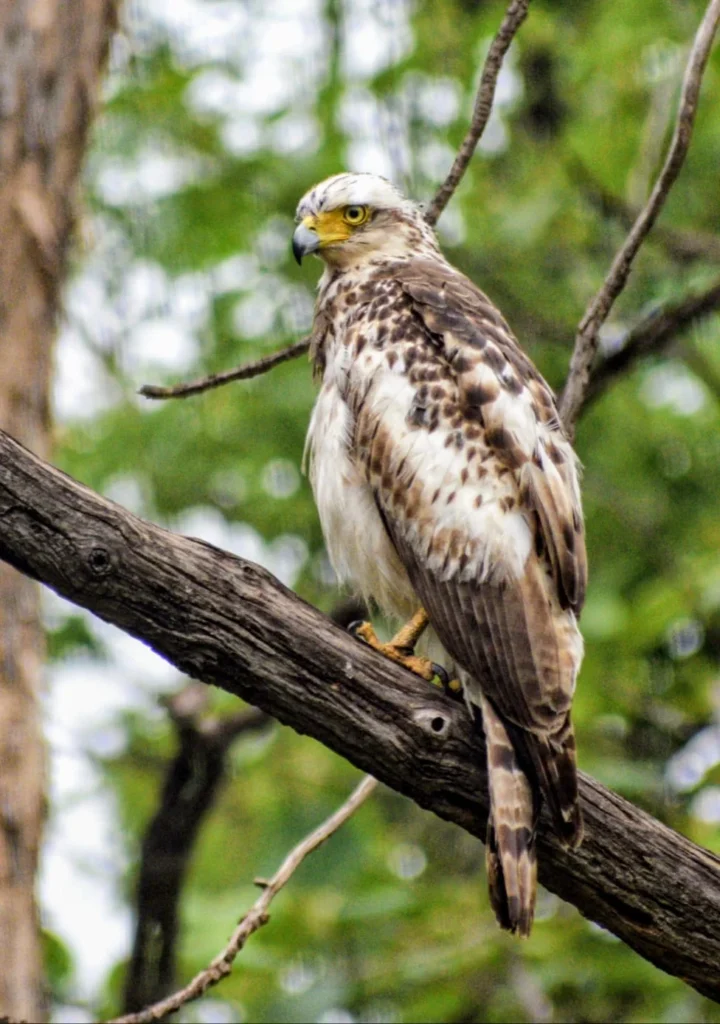
Changeable Hawk-Eagle (Crestless Morph)
Habitat
This powerful raptor inhabits dense forests, open woodland, bamboo patches, and forest edges throughout Tadoba.
Fun Facts
Named “Changeable” because its plumage varies greatly between individuals. Hunts monkeys, squirrels, birds, reptiles, and small mammals. Can dive through dense forest with remarkable agility. Possesses extremely sharp eyesight—about eight times stronger than humans. One of Tadoba’s top predatory birds.
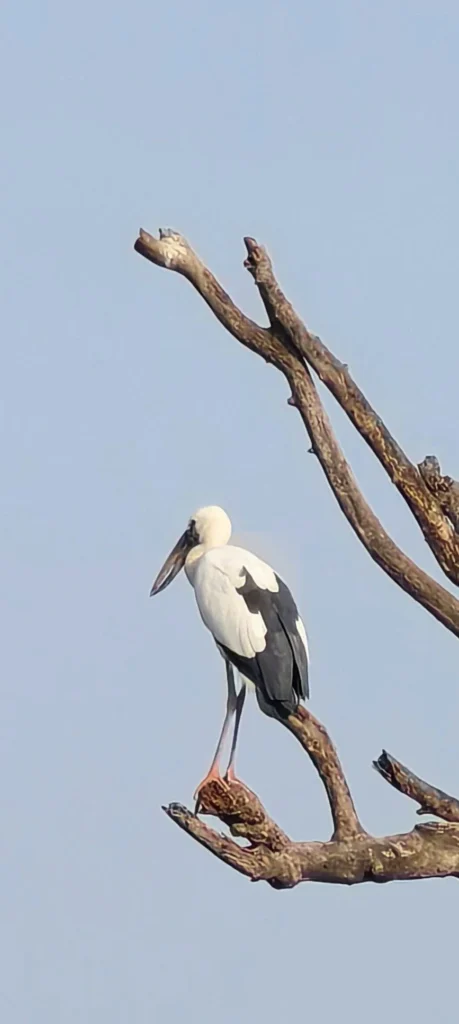
Asian Openbill Stork
Habitat
Asian Openbills are commonly found around lakes, marshes, wetlands, agricultural fields, and reservoirs. During the breeding season they form large nesting colonies in tall trees.
Fun Facts
Their uniquely shaped bill has a gap even when closed. The special bill helps them extract freshwater snails from their shells. They nest in large colonies, sometimes with hundreds of birds sharing a single tree. Excellent indicators of healthy wetlands. Mostly feed on snails, frogs, fish, and aquatic insects.
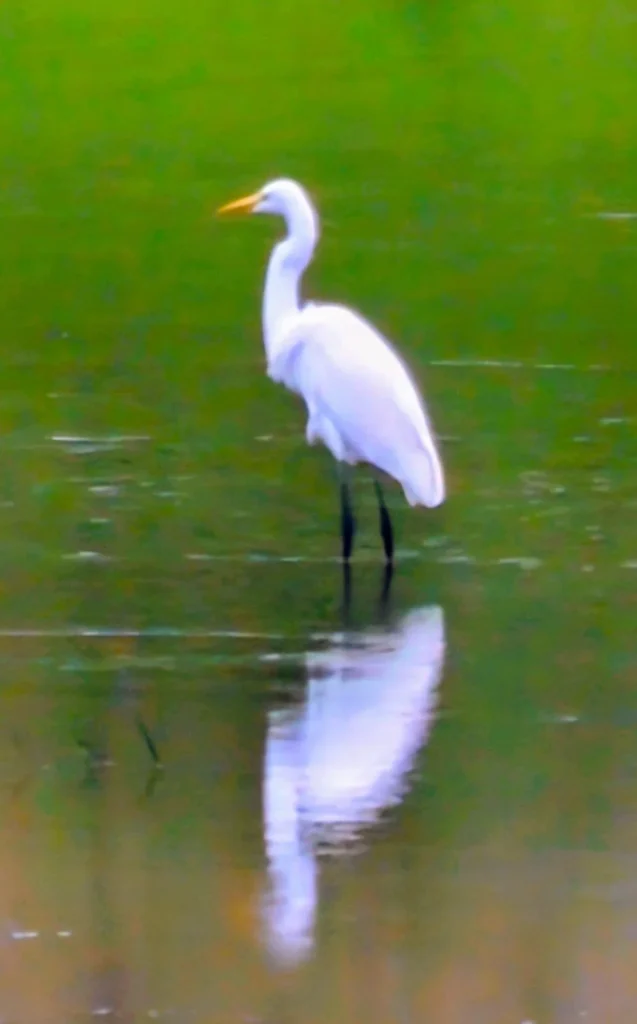
Great Egret
Habitat
The Great Egret prefers shallow lakes, ponds, marshes, rivers, and flooded grasslands. In Tadoba, they are often seen patiently stalking fish in quiet waters.
Fun Facts
Famous for standing perfectly still before striking prey with lightning speed. Feeds on fish, frogs, crabs, insects, and small reptiles. Their bright white plumage makes them easy to identify. During the breeding season, adults develop beautiful ornamental plumes. Despite their elegant appearance, they are highly efficient hunters.
Why Tadoba is a Paradise for Birdwatchers
Birdwatchers visiting Tadoba often focus on tigers, but the reserve is equally rewarding for bird photography.
Eagles and hawks
Owls
Kingfishers
Bee-eaters
Woodpeckers
Hornbills
Storks
Herons
Egrets
Waterfowl
Flycatchers
Drongos
Minivets
Paradise Flycatchers
Rollers
Whether exploring the core or buffer zones, every safari offers new opportunities to photograph both resident and migratory birds.
Best Time for Bird Photography in Tadoba
October to February: Pleasant weather and migratory bird season.
March to May: Excellent visibility around shrinking waterholes.
safaris: Best for soft light and active birds.
Afternoon: Ideal for dramatic flight photography.
Continue the Journey with TravelOnTales
Every journey tells a story, and every destination has something extraordinary to offer. At TravelOnTales, we explore India’s breathtaking national parks, wildlife sanctuaries, hidden landscapes, birdwatching hotspots, and unforgettable road trips. Whether it’s tracking the majestic Bengal Tiger in Tadoba, photographing rare birds at sunrise, or discovering offbeat travel destinations, our goal is to inspire fellow nature lovers and travellers.
If you enjoyed this article, don’t miss our complete Tadoba Safari Experience, where you can witness thrilling tiger sightings, incredible wildlife encounters, and the beauty of one of India’s finest tiger reserves.
Related: Bird Watching in India: Where to Go and When