
India is one of the best countries in the world to see big cats in the wild. We have many national parks and tiger reserves. So the honest answer to “where can I see tigers and leopards in India” is simple: in a lot of places.
But I don’t want to just copy a long list of every park. In this post I am sharing only four places. These are the places where I have actually seen tigers and leopards myself, on my own trips, and taken every photo you see below.
I am not saying you can’t spot big cats anywhere else. You can, and people do every single day. This is simply my personal list, based on my own travels. Three of these spots are great for tigers. The last one is a very special place for leopards.
Quick note before we start: every photo here was shot by me on my Nikon Z50 with a Nikon 50–250mm lens. No zoo, no fences — all wild and free.
| Place | State | Best for | Best time to visit |
|---|---|---|---|
| Tadoba | Maharashtra | Tigers | March – June |
| Bandhavgarh | Madhya Pradesh | Tigers | February – June |
| Panna | Madhya Pradesh | Tigers | February – June |
| Jawai | Rajasthan | Leopards | October – March |
1. Tadoba, Maharashtra — My Favourite for Tigers
Tadoba (full name Tadoba Andhari Tiger Reserve) is in the Chandrapur district of Maharashtra. It is the oldest and largest national park in the state. For me, it is one of the easiest places in India to see a wild tiger.
I have been lucky here more than once. On one morning safari, I watched a tiger walk right down the forest track, calm and confident. On another visit, I saw a tiger cooling off in a waterhole — just sitting in the water on a hot day. That is a sight I will never forget.
Tadoba has thick forest, open grassland, and many lakes. The tigers here are quite used to safari jeeps, so they often stay in the open. That is why the sighting rate is so good.
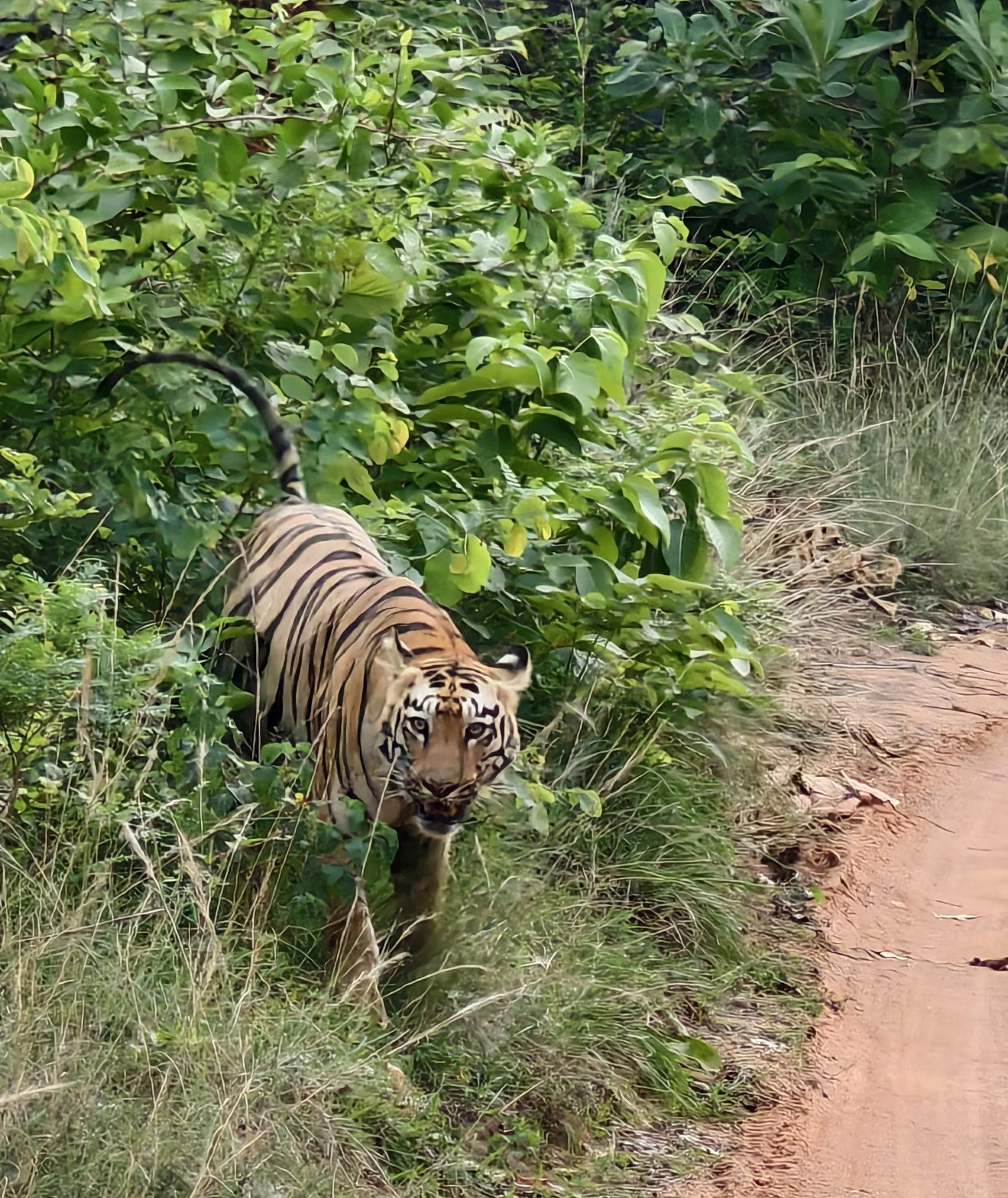
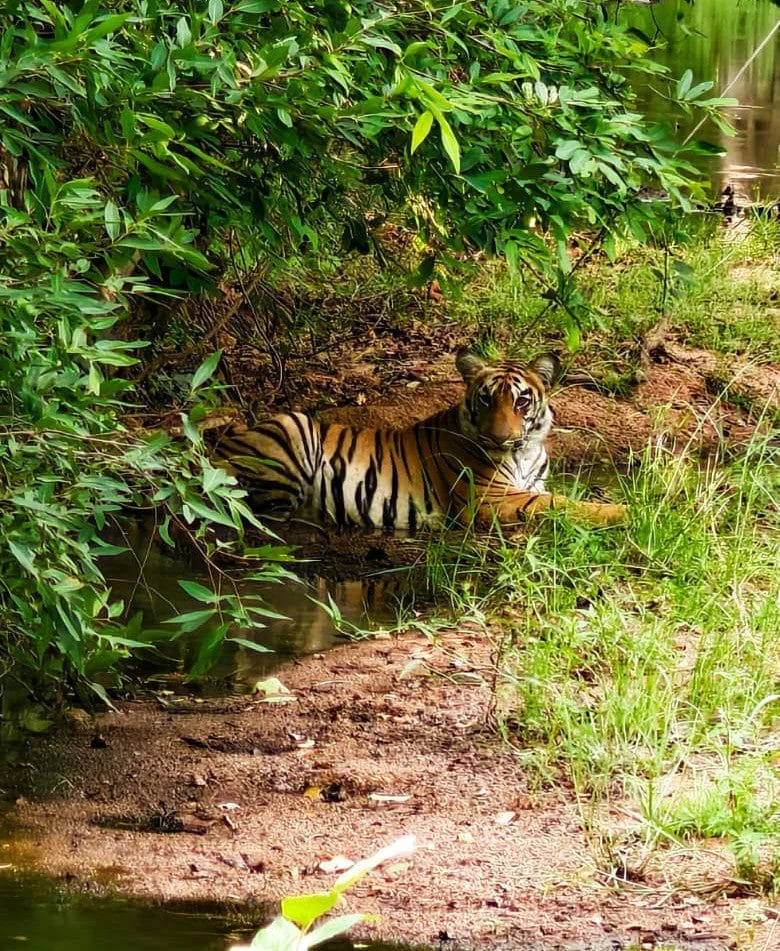
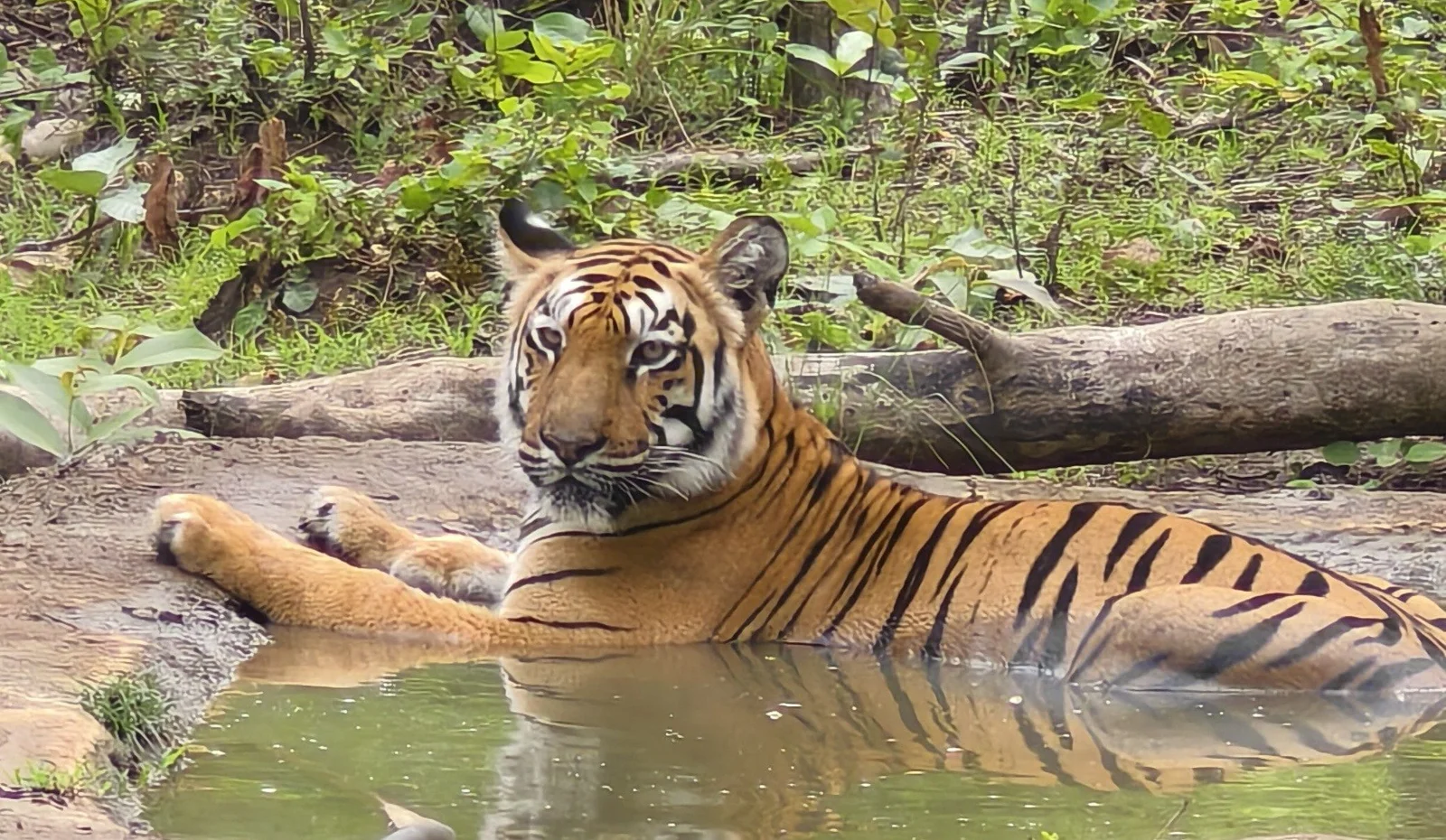
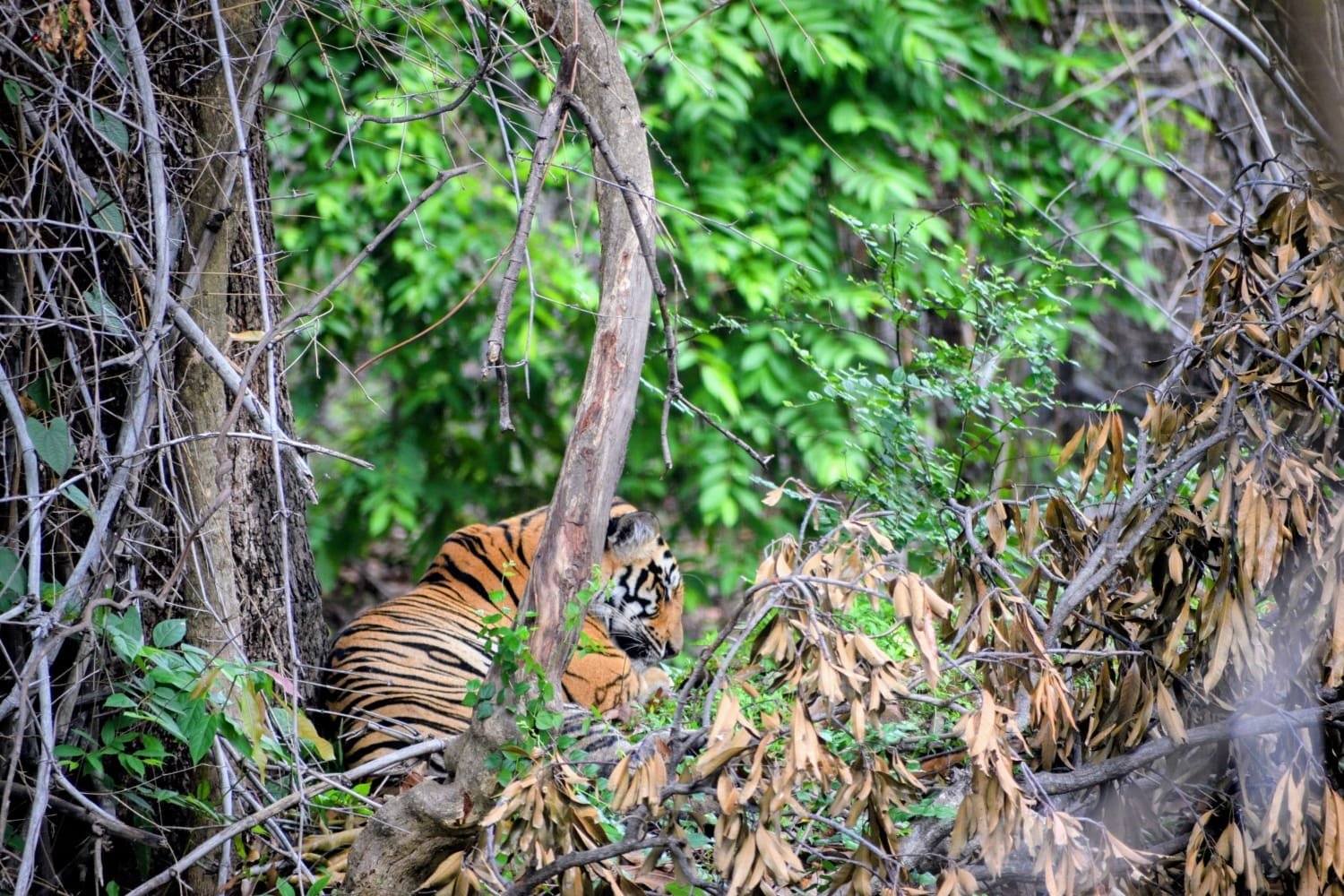
Best time to visit: The summer months (March to June) are the best for tiger sightings. It gets very hot, but the tigers come out to the water. The park is usually open from October to June.
Tip: Book your safari zone and jeep well in advance, especially for weekends and holidays. The core zones fill up fast.
2. Bandhavgarh, Madhya Pradesh — India’s Tiger Capital
If there is one park famous for tigers, it is Bandhavgarh. It sits in the Umaria district of Madhya Pradesh and is known for one of the highest tiger densities in India. In simple words: your chances of seeing a tiger here are very high.
I visited in April, in peak summer, and it did not disappoint. I saw a tiger walking calmly through the dry forest, fully relaxed, as if it owned the place. Watching a wild tiger move like that, so close, is something photos can only partly capture.
The park also has an old hill fort and a lot of history, which makes the safari feel even more special. The main safari zones are Tala, Magadhi, and Khitauli. Tala is the most famous of the three.
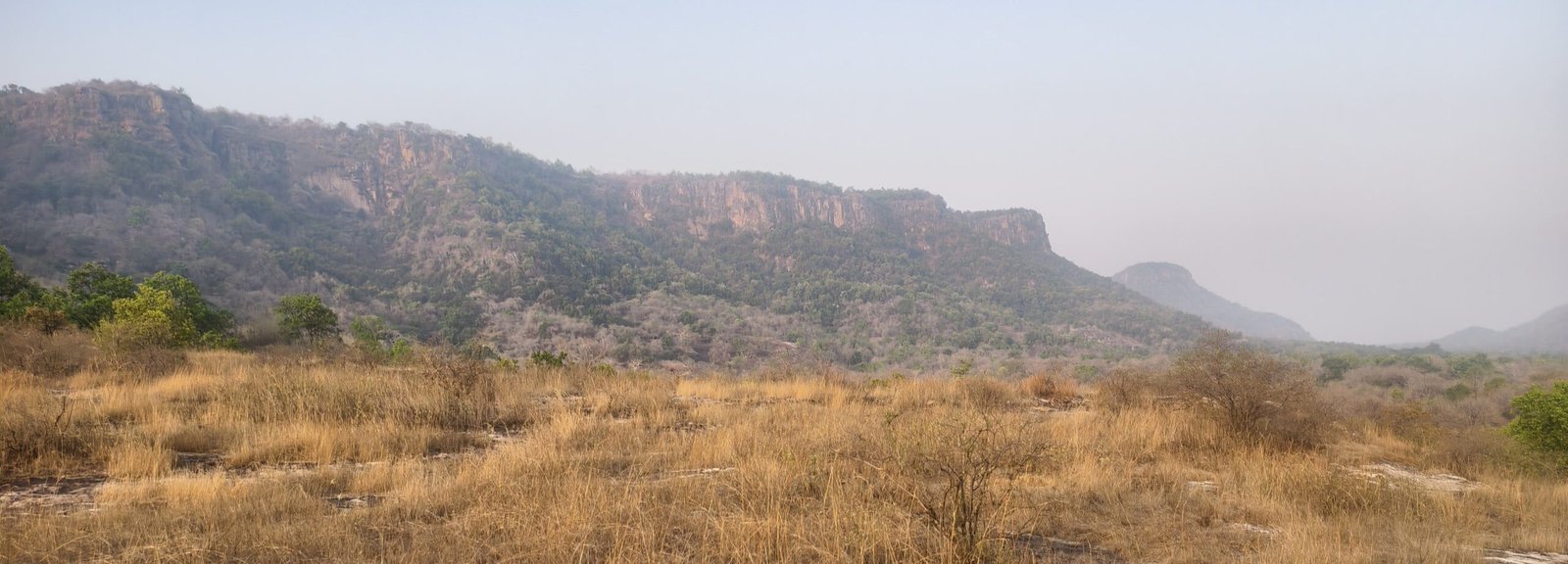
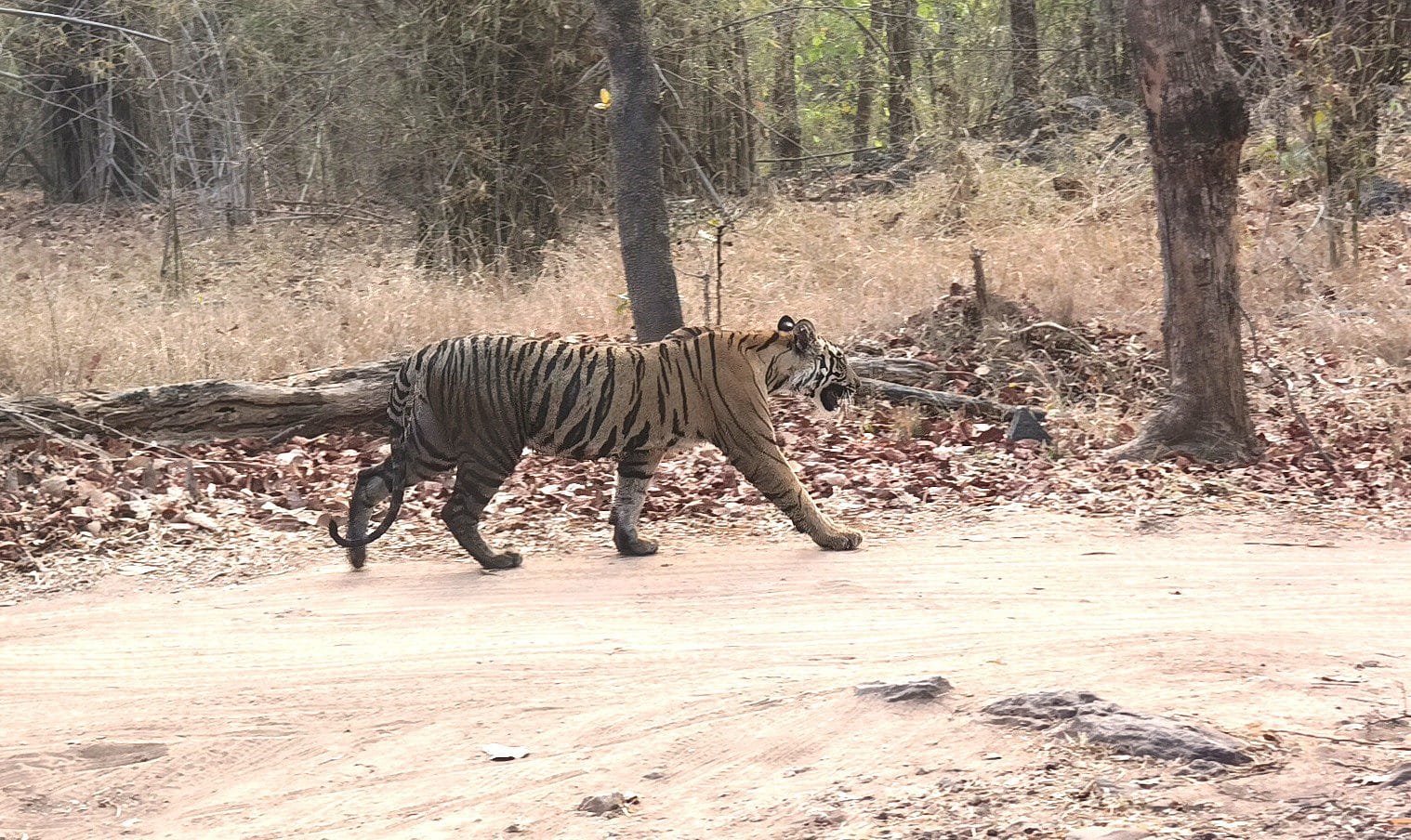
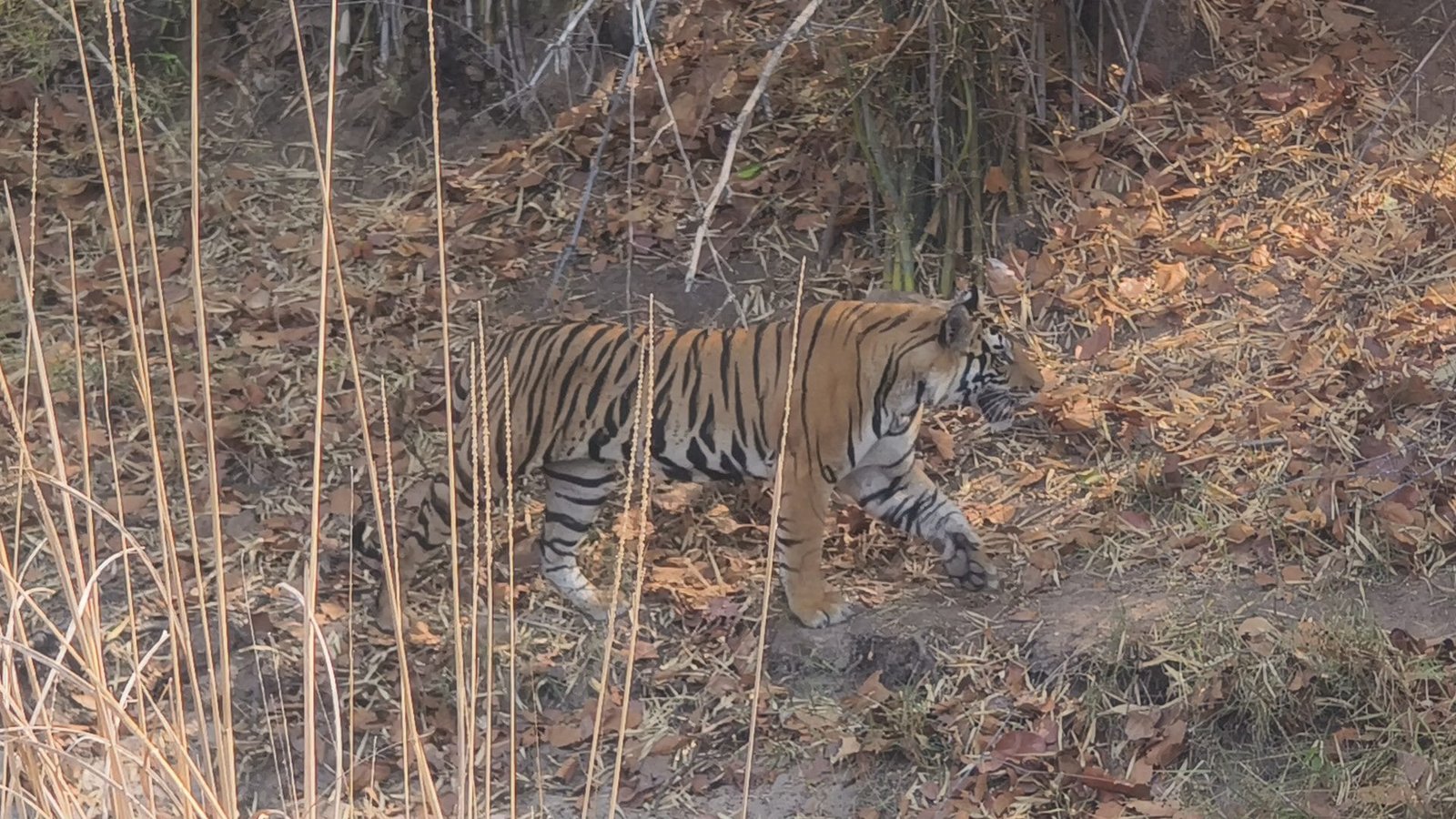
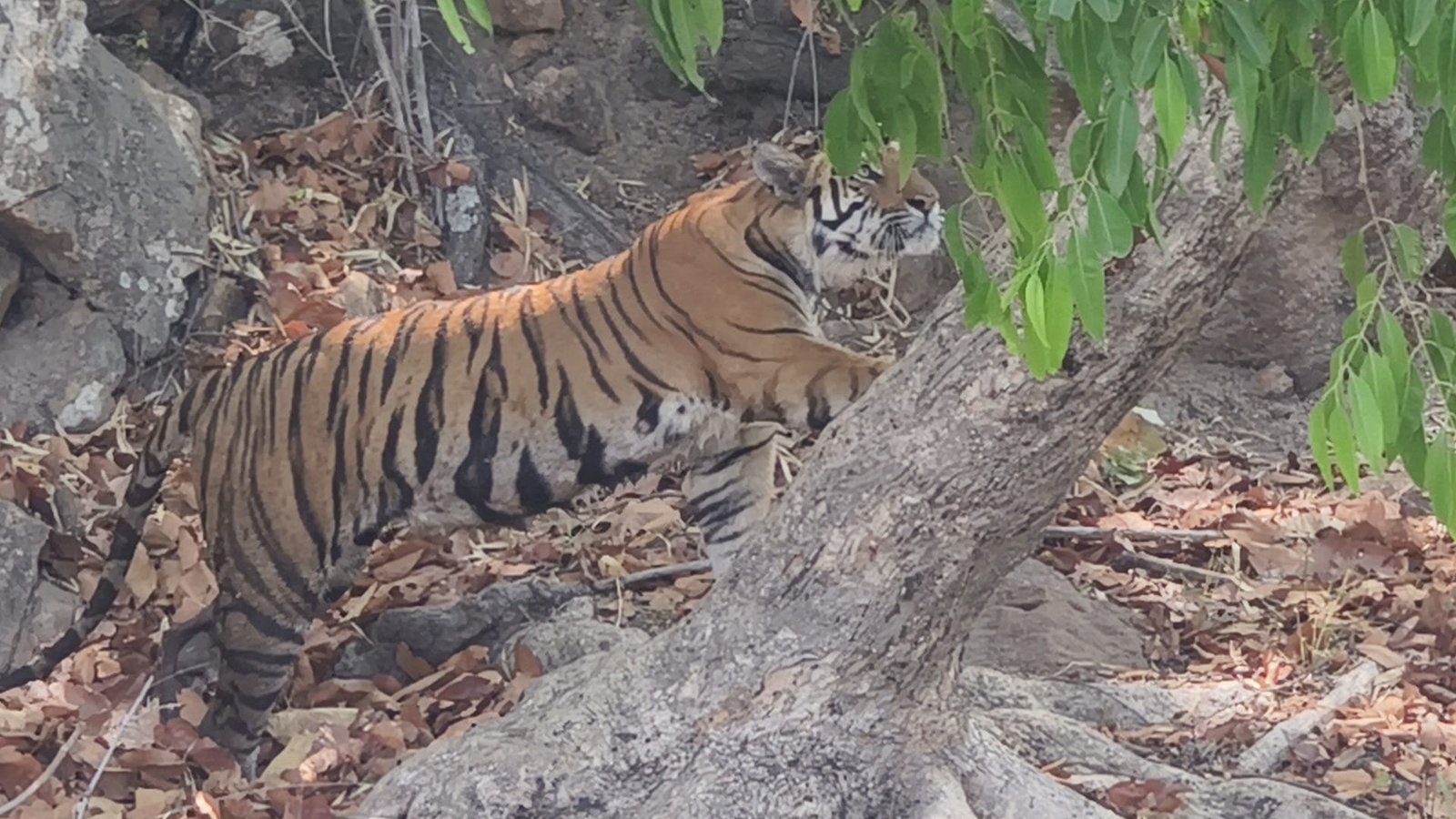
Best time to visit: February to June. Like Tadoba, summer gives the best sightings. The park is generally open October to June.
3. Panna, Madhya Pradesh — A Tiger Comeback Story
Panna Tiger Reserve is also in Madhya Pradesh, on the banks of the Ken River. This place has a special story. Around 2009, Panna lost all of its tigers. Then a big effort was made to bring tigers back. Today Panna has a healthy tiger population once again. It is one of India’s best conservation success stories.
When I visited, the forest felt fresh and full of life. I saw a tiger here too, and the setting — with the river and rocky cliffs — is really beautiful. You can even do a boat safari on the Ken River, which is a lovely change from the usual jeep safari.

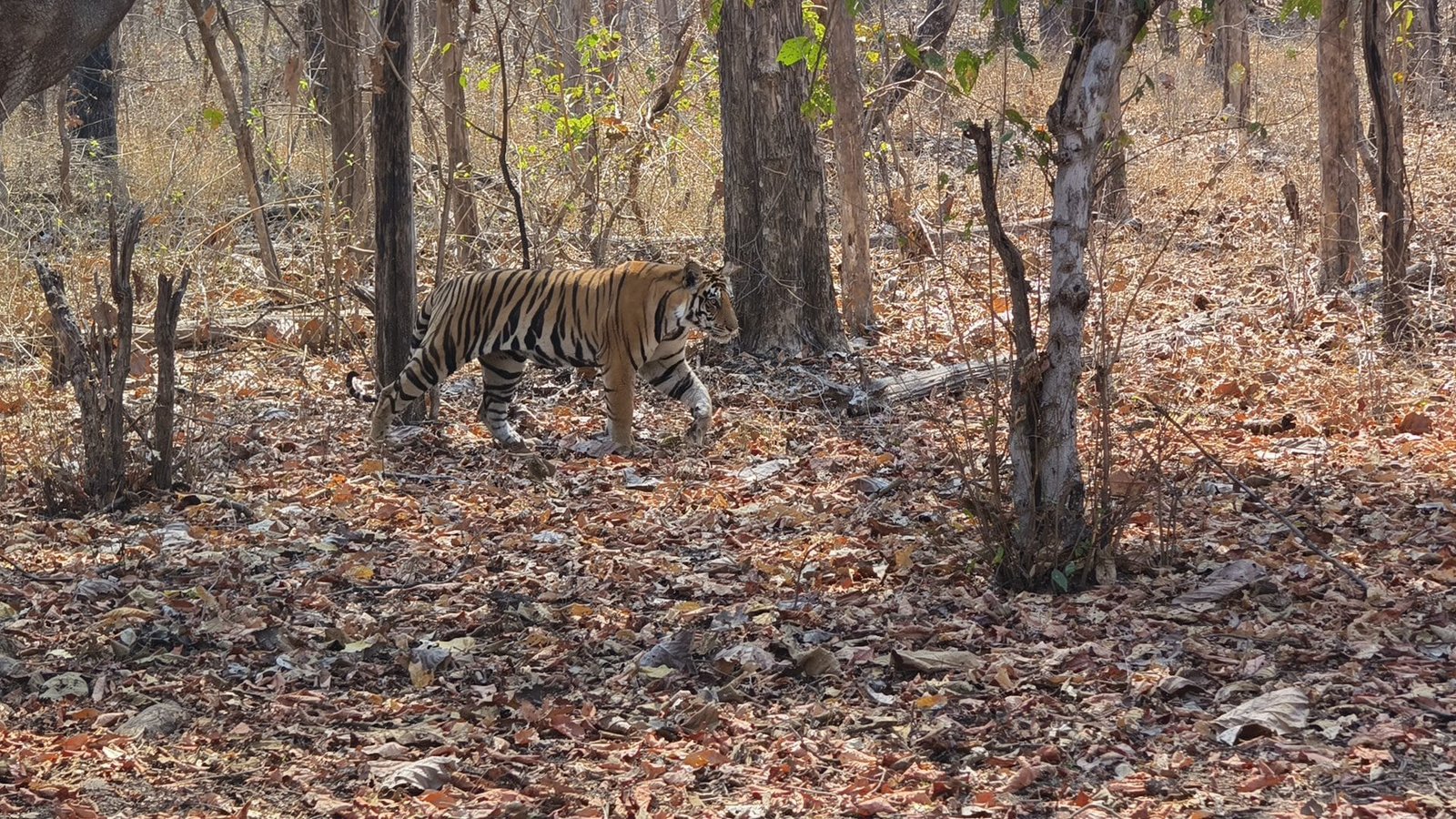
Best time to visit: February to June for tigers. The park is open October to June, and the Ken River boat safari is lovely in the cooler months.
4. Jawai, Rajasthan — The Best Place I Know for Leopards
Now for something completely different. Jawai (also called Jawai Bandh, near Bera in Rajasthan) is not a normal national park. There are no big gates or fixed forest zones. Instead, it is a land of giant granite hills, caves, temples, and small villages.
And leopards live right here — among the rocks, close to people and their cattle. What amazes me most is that the leopards and the local Rabari shepherds live side by side, mostly in peace. It is one of the most unusual wildlife stories in the whole country.
I saw leopards here out on the open rocks and moving through the dry bushes. Photographing a wild leopard against those golden granite hills at sunrise is a dream for any wildlife photographer.
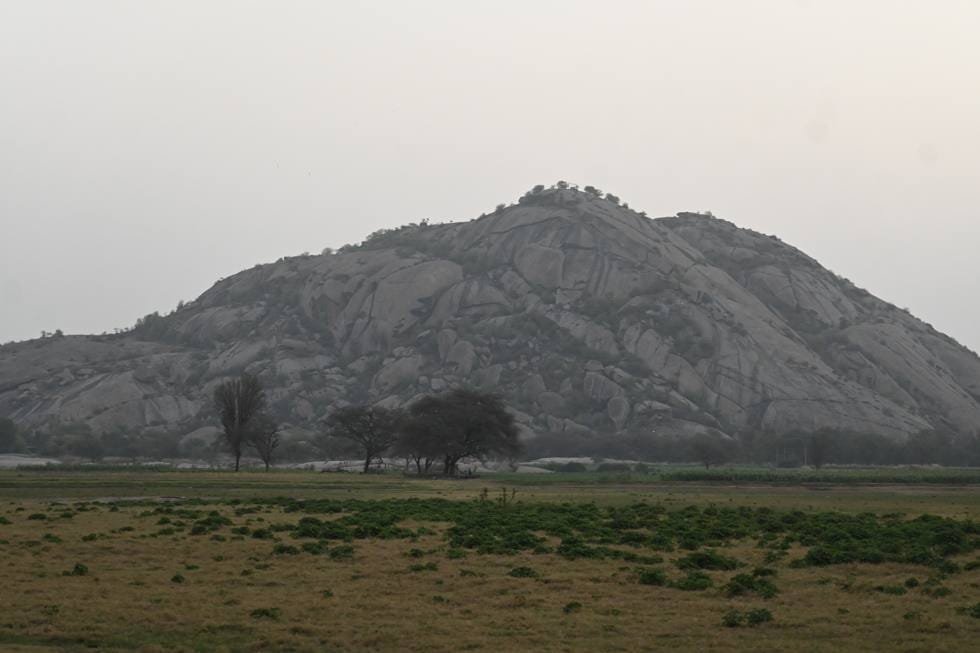
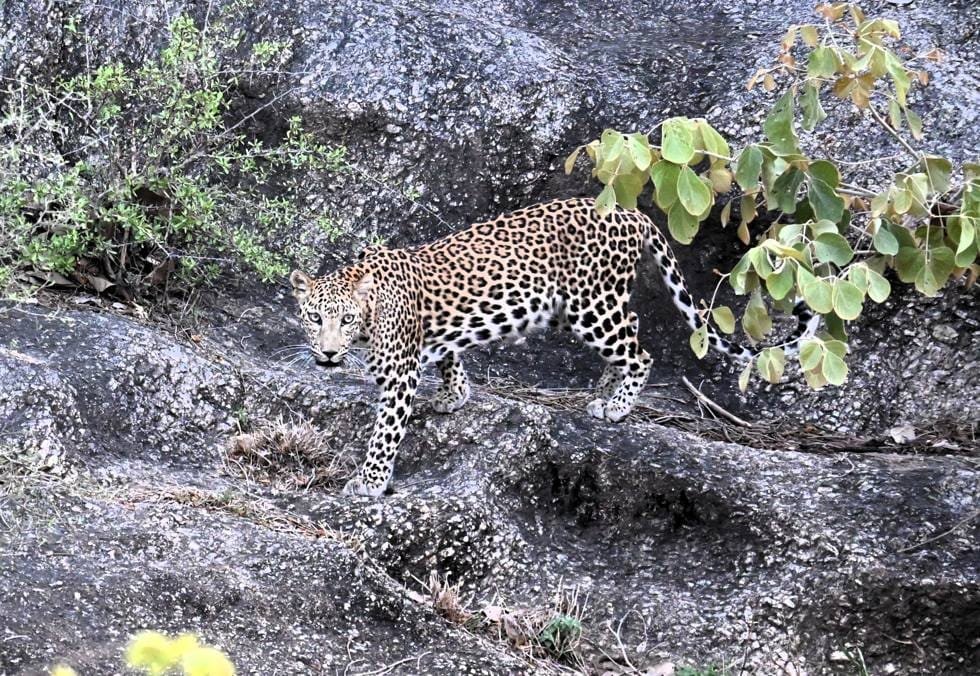
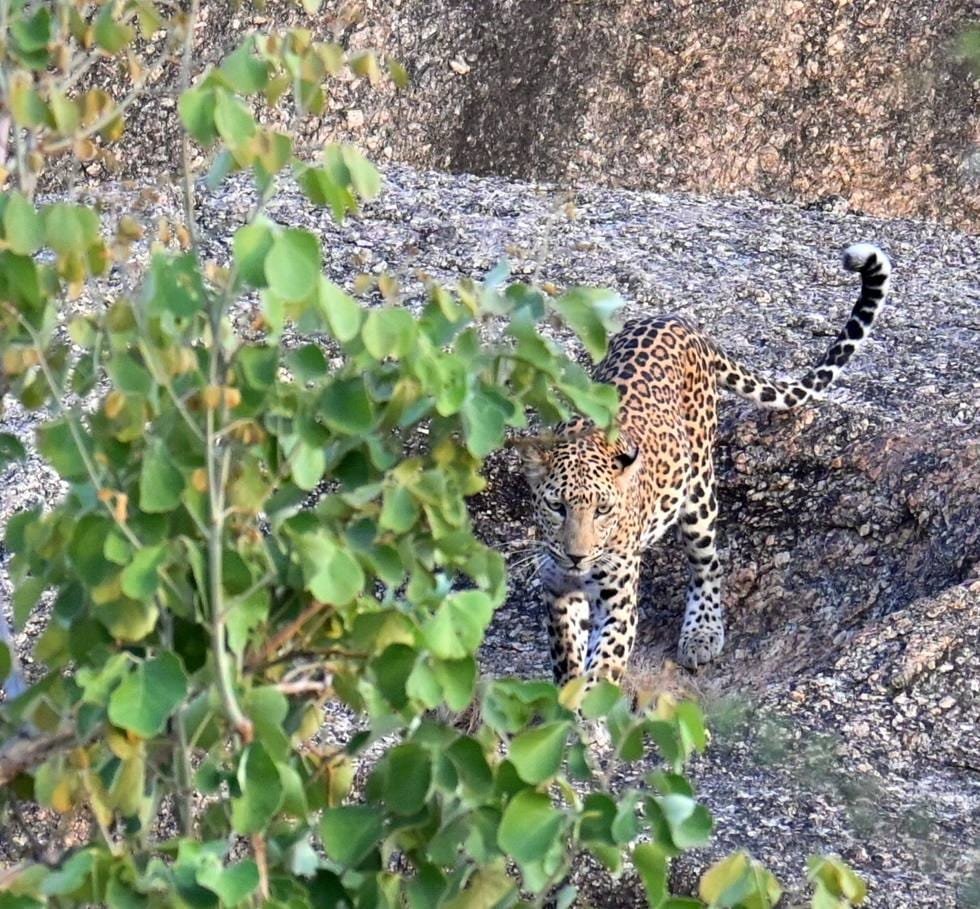
Best time to visit: October to March. The winter months are cooler and more comfortable, and leopards are often seen on the rocks in the early morning and evening.
One honest point: the three tiger parks above (Tadoba, Bandhavgarh and Panna) also have leopards living in them. But leopards there are shy and harder to see, because they stay away from the tigers. That is exactly why Jawai is so special — leopards are the stars of the show.
Which Place Should You Choose?
- Want the best tiger chances and easy sightings? Go to Tadoba or Bandhavgarh.
- Want tigers plus a quieter, less crowded feel? Try Panna.
- Want to see leopards in a one-of-a-kind setting? Head to Jawai.
Simple Tips to See Tigers and Leopards on Safari
Seeing a big cat is never 100% guaranteed. They are wild animals, after all. But these simple tips have helped me again and again:
- Go in summer for tigers. From March to June, tigers come to the water, so they are much easier to see.
- Do more than one safari. A single safari can be quiet. Book two or three (morning and evening) to boost your chances.
- Take the early morning safari. First light is often the best time for animal movement.
- Stay quiet and patient. Loud talking scares animals away. Waiting near a waterhole often pays off.
- Listen for alarm calls. Deer and monkeys make sharp calls when a big cat is near. A good guide will follow them.
- Trust your guide and driver. Local naturalists know the animals and their daily habits better than anyone.
Frequently Asked Questions
Which is the best place to see tigers in India?
In my experience, Tadoba and Bandhavgarh give the best chances of seeing a wild tiger. Both have many tigers and good open sightings, especially during the summer months.
Where can I see leopards in India?
Jawai in Rajasthan is my top pick for leopards. The leopards live in the open granite hills there and are seen quite often on early morning and evening safaris.
What is the best time to see tigers and leopards?
For tigers, the summer months (March to June) are best, because animals come to the water. For leopards in Jawai, the winter months (October to March) are cooler and more comfortable, and sightings are good.
Can I see tigers and leopards on a single trip?
Not usually in one park. Tadoba, Bandhavgarh and Panna are mainly for tigers, while Jawai is the place for leopards. But you can plan two separate trips, or combine parks if you have enough time.
Is it safe to go on a jungle safari?
Yes. You travel in an open jeep with a trained driver and guide, and you follow the park rules. Just stay calm, stay seated, and never get down from the vehicle.
Do I need an expensive camera to enjoy a safari?
No. You can enjoy any safari with just your eyes or your phone. But if you want good animal photos, a zoom lens helps a lot. I personally use a Nikon Z50 with a Nikon 50–250mm lens.
Final Thoughts
So these are my four favourite places to see tigers and leopards in India — Tadoba, Bandhavgarh, Panna, and Jawai. Again, this is only my own list. India has many more wonderful parks, and I hope to visit more of them and keep adding to this list over time.
If you ever get the chance to visit even one of these places, take it. There is nothing quite like seeing a wild tiger or a leopard in its own home. It is a feeling that stays with you forever.
Have you been to any of these parks? Or is there a place you think I should visit next? Tell me in the comments — I would love to hear your story.
Enjoyed this? For more travel stories, safari guides, and tips on spotting big cats, follow along here: TravelOnTales – Safari Tips →

About the Author
Prashant S. Gupta
Head of Digital at a healthcare and pharmaceutical advertising agency. A keen wildlife photographer and travel storyteller, documenting India’s natural landscapes, wildlife, and travels through the lens of a Nikon Z50.
Related: Leopard vs Tiger: How to Tell Them Apart in the Wild