
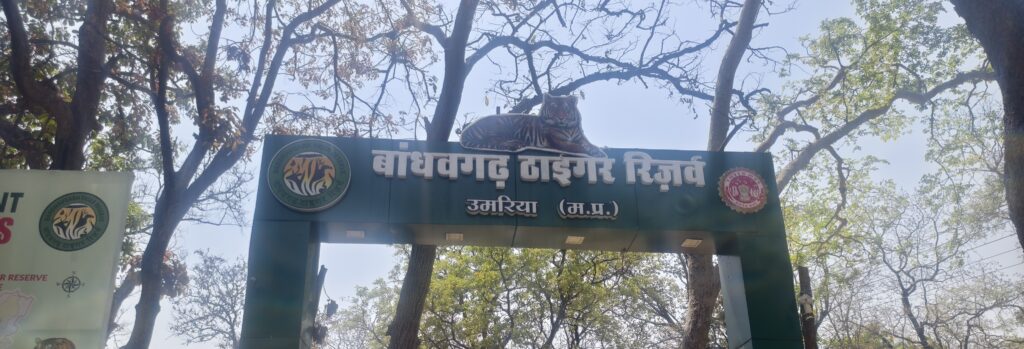
Bandhavgarh Safari Guide: Tips for Tiger Spotting, Best Gates, and Travel Essentials

Bandhavgarh National Park

Bandhavgarh National Park in Madhya Pradesh is one of the best places in India for a tiger safari. Famous for its high density of Royal Bengal Tigers, the park attracts wildlife lovers, photographers, and travelers from across the world. But remember—a trip to Bandhavgarh isn’t just about spotting a tiger; it’s about soaking in the jungle’s magic. Here are some essential Bandhavgarh safari tips.


1. Safari Gates & Booking

The park has multiple entry gates like Tala, Magadhi, and Khitauli. Each gate opens to a different zone, so check your safari booking carefully. Book well in advance, especially during peak seasons.


2. Camera Charges for Wildlife Photography

If you’re carrying a DSLR or professional camera, there are extra charges. Don’t skip it—wildlife photography in Bandhavgarh is a dream, with stunning landscapes and abundant animals.


3. Tiger Spotting in Bandhavgarh

While the tiger is the star, don’t rush. Enjoy the ambience—the rustling leaves, deer grazing, langurs calling, and exotic birds.
Pro tip: Try early morning safaris, as tigers often come out to drink water at dawn. Also, follow the guidance of your trained naturalist or safari guide—they know the animal trails better than anyone.


4. Explore Beyond Tigers

Bandhavgarh is home to leopards, jackals, sloth bears, and countless bird species. There’s also the historic Bandhavgarh Fort and ancient temple inside the park—a must-visit for culture and history lovers.


5. Morning vs Evening Safari

  • Morning safari in Bandhavgarh: Cool breeze, mist, and a higher chance of tiger sightings.
  • Evening safari in Bandhavgarh: The forest glows in golden light, perfect for photography.
    If possible, do both for the full experience.

6. Stay Hydrated & Comfortable

Carry water bottles, wear light cotton clothes, and use sunscreen and hats. The sun can be harsh, especially during summer safaris.


7. Stay Near the Park

Book a resort near Bandhavgarh National Park for convenience.
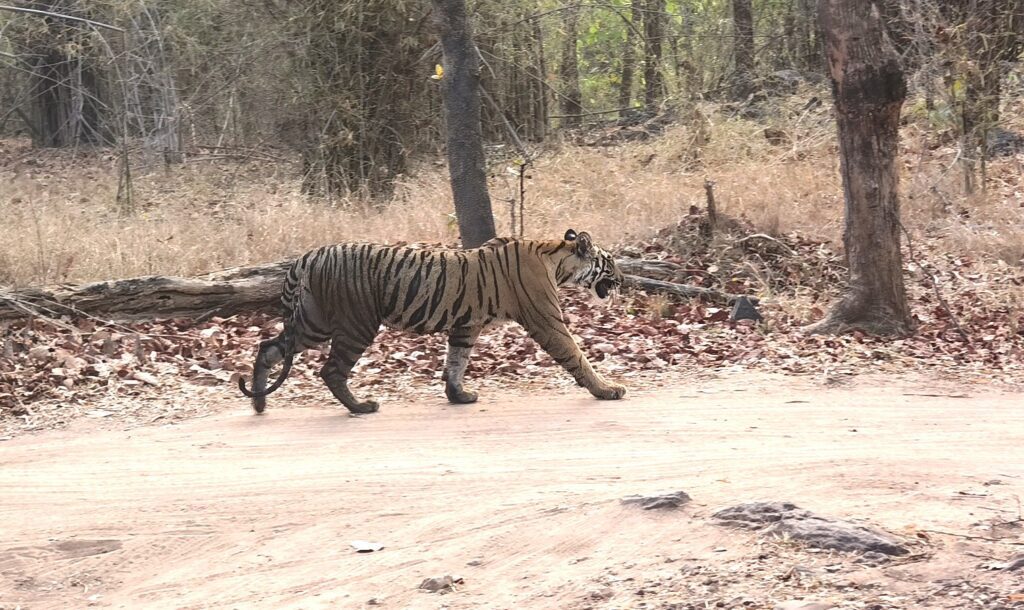
Tiger walk Bandhavgarh National Park

Best Time to Visit Bandhavgarh National Park

The best time to visit Bandhavgarh National Park is from November to June, when the park is open for visitors. Each season offers a unique experience:

  • Winter (Nov–Feb): Pleasant weather, lush greenery, great for bird watching and photography.
  • Summer (Mar–June): Hot but the best chance for tiger sightings, as animals frequently visit waterholes.
  • Monsoon (July–Oct): The park remains closed for visitors due to rains and the breeding season.

The fort on the hill

Bandhavgarh is unusual among tiger reserves in having a ruined fort sitting on a plateau in the middle of it. The reserve is named after it — Bandhav and garh, brother’s fort, tied to the Ramayana story of Rama giving it to Lakshmana.

The fort is old, well over a thousand years in parts, and it was inhabited long after the forest around it was hunting reserve for the Maharajas of Rewa. It is not currently open to visitors, but you see the cliffs from almost every route in the Tala zone, and the scale of them changes how the park feels.

The Shesh Shaiya carvings

Below the fort are rock-cut sculptures, the most striking being a large reclining Vishnu on the serpent Shesha, with water rising at its feet. There are ten avatar carvings scattered across the hill, dated to around the tenth century.

This matters for a practical reason too: the seepage around these carvings is a permanent water source, and permanent water in a dry forest means animals.

Why the history shaped the wildlife

Bandhavgarh was a private hunting preserve for the Rewa royal family, which meant that while shooting happened, the forest itself was protected from clearing and settlement for a very long time.

The white tigers of Rewa came from here — Mohan, captured in 1951, is the ancestor of essentially every white tiger in captivity worldwide. There are no white tigers in the wild at Bandhavgarh now, and there have not been for decades, whatever the lodge brochures imply.

What a drive through Tala feels like

Tala is the historic core and it is the zone people want. The route runs through sal, past the tanks, along the base of the cliffs, and out into the meadows.

The density of animals in the meadows in the early morning is the thing that surprises first-time visitors — chital in the hundreds, with langurs above and peafowl calling, all in view of a thousand-year-old fort.

If you have a spare morning

  • The buffer zones are cheap, quiet and hold tigers.
  • The Bagdara sanctuary area nearby is quieter still.
  • Village walks around Tala are offered by most lodges and are the only way to understand how people live next to this.

Frequently asked questions

What does the name Bandhavgarh mean?

“Brother’s fort”, from the Ramayana story of Rama giving the fort to his brother Lakshmana.

Can I visit Bandhavgarh fort?

It is not currently open to visitors. The cliffs and the Shesh Shaiya carvings are visible from safari routes in Tala.

Are there white tigers at Bandhavgarh?

Not in the wild, and not for decades. Mohan, the ancestor of the world’s captive white tigers, was caught in this area in 1951.

Which zone has the fort?

Tala, the historic core zone.


Related: Bandhavgarh Beyond the Tiger and Booking a Bandhavgarh Safari.

Scroll to Top