
Bhigwan Bird Sanctuary – Where the Grasslands Meet the Sky
Nestled in the heart of Maharashtra, Bhigwan Bird Sanctuary is one of India’s most breathtaking destinations for bird watching and wildlife photography. Located along the Ujani backwaters, this hidden paradise transforms into a vibrant ecosystem during the winter months, attracting thousands of migratory birds and nature enthusiasts.
A Paradise for Bird Lovers
Often referred to as the “Bharatpur of Maharashtra,” Bhigwan offers a unique blend of wetlands and grasslands, making it a hotspot for diverse bird species. From elegant flamingos gliding across the water to powerful raptors soaring above the plains, every moment here feels like a scene from a wildlife documentary.
Birds You Can Spot in Bhigwan
Bhigwan is home to a wide range of bird species, including:
- Greater Flamingos
- Brahminy Kite
- Grey Heron
- Black-winged Stilt
- Pied Bushchat
- Harriers
Each species adds its own charm to the landscape, making Bhigwan a dream destination for photographers and birding enthusiasts alike.
Why Bhigwan Should Be on Your List
- Rich biodiversity and migratory bird activity
- Perfect for wildlife photography and birding
- Peaceful, less crowded alternative to major sanctuaries
- Unique combination of wetlands and grasslands
Explore more wildlife journeys at www.travelontales.com
Planning the trip
Bhigwan is close enough to Pune to do in a day, and most people do. That is also the most common mistake. The birds are busiest in the first two hours of light, and if you leave Pune at six you have already missed the best of it.
- From Pune: roughly 100 km, two to two and a half hours by road.
- From Mumbai: around 250 km, five hours or so.
- Best plan: stay the night nearby and be on the water at first light. A day trip works, but you are birding the second-best part of the day.
- Season: November to February. The migrants arrive with the cold and leave by March.
The two halves of Bhigwan
People book Bhigwan for the water and then discover there are two quite different habitats here, each with its own species list. Plan for both.
1. The Ujani backwaters
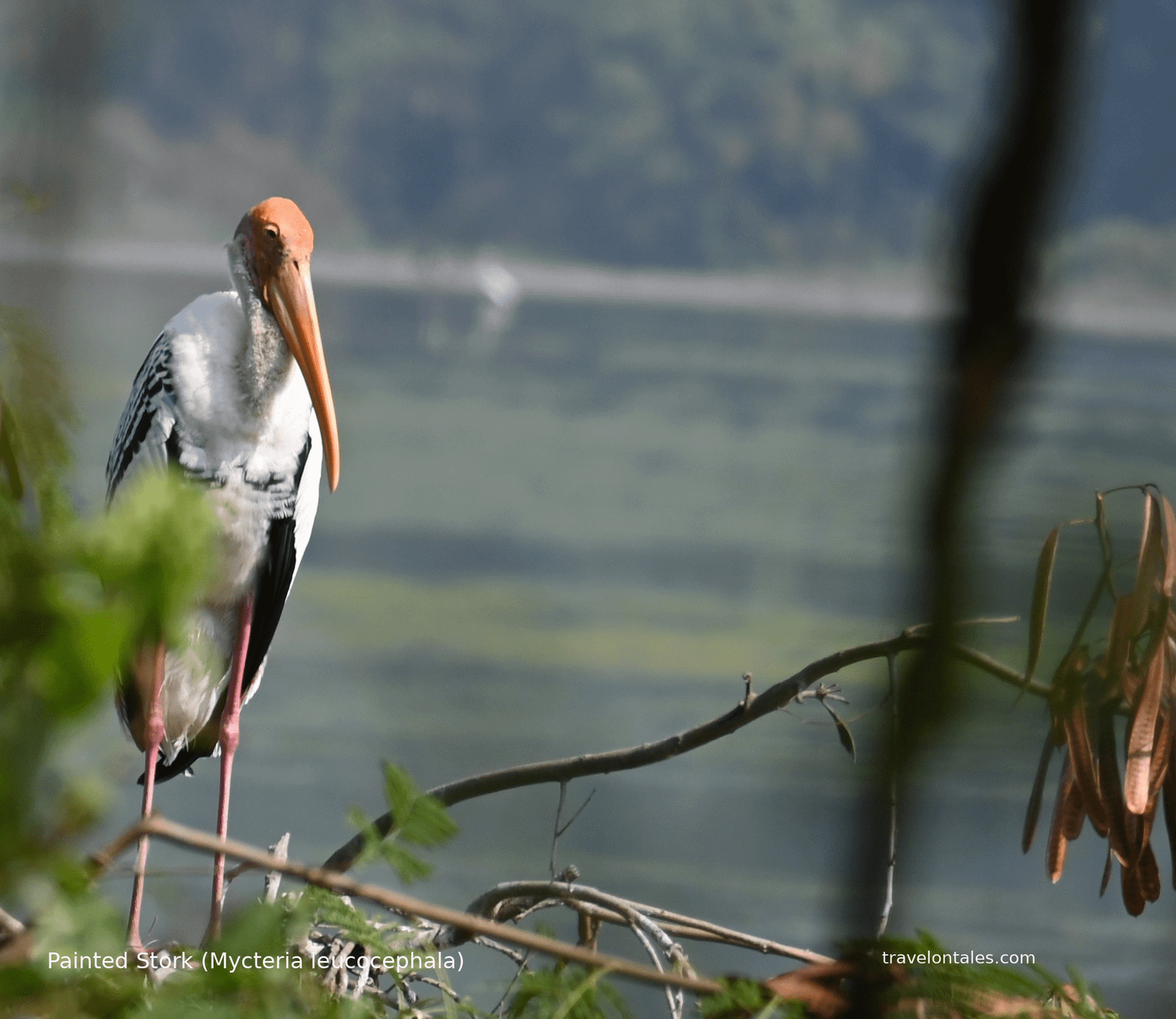
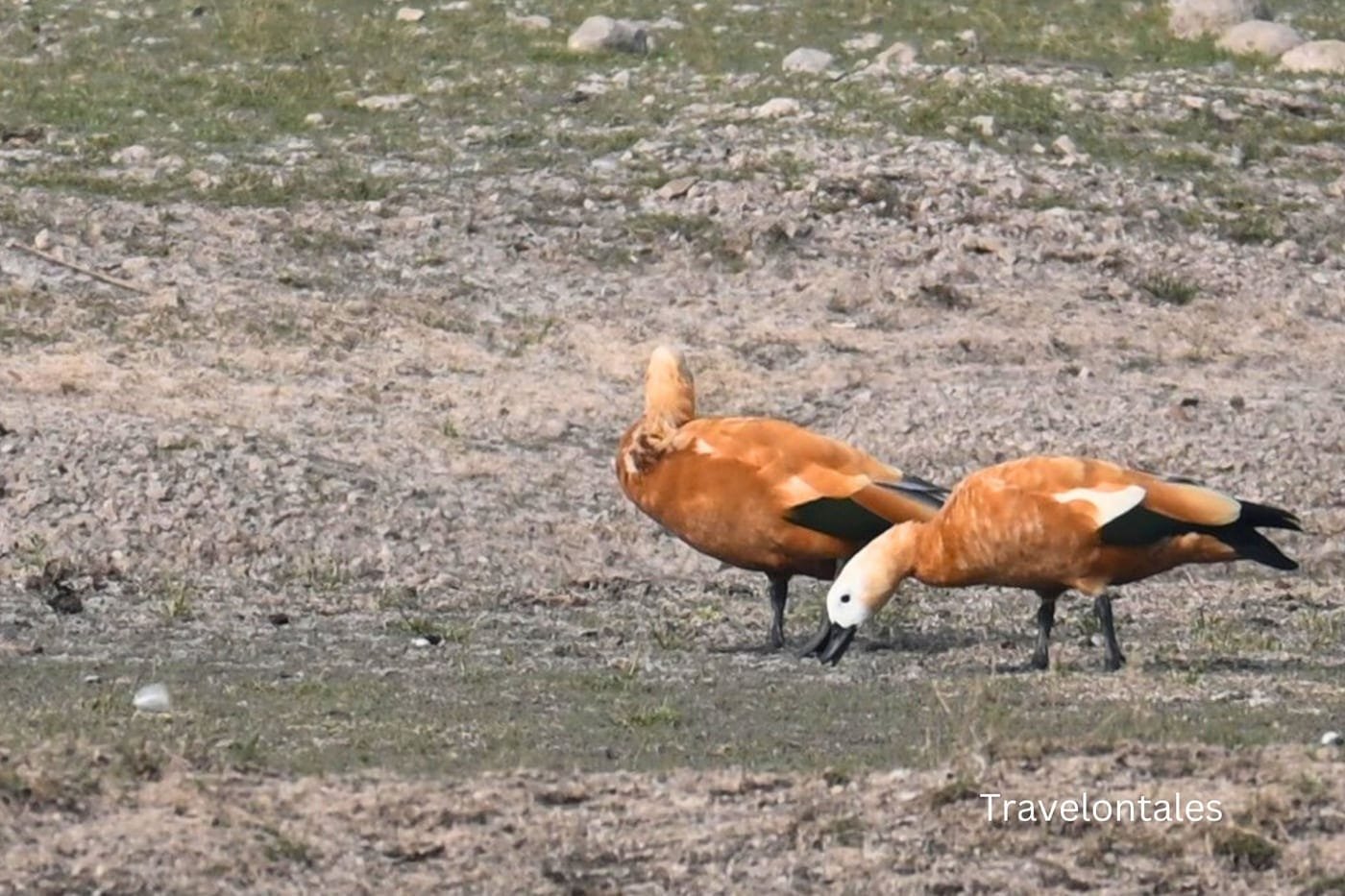
Shallow water, mudflats and reed edges. This is the boat half of the trip and where the waterbirds are: flamingos, painted storks, spoonbills, shovelers, stilts, terns, herons and egrets.
2. The Kadbanwadi grasslands
Dry, open scrub grassland a short drive from the water, and a completely different proposition. This is where the harriers, sandgrouse, larks, francolins and Indian Fox are.
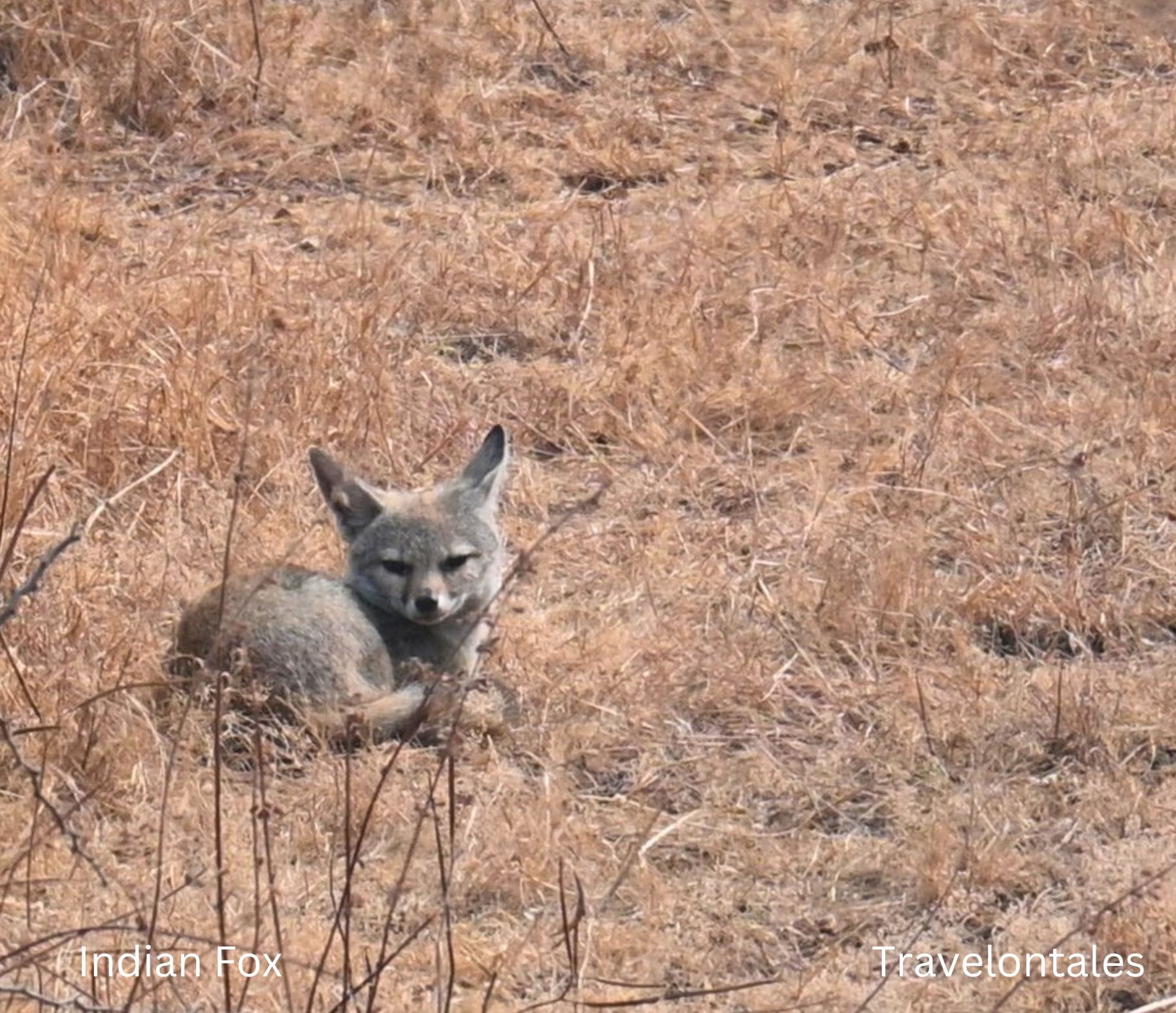
Most visitors do the boat and go home. If you have the time, the grassland is where the more unusual sightings happen.
The boat
Boats run from the villages along the backwaters, most commonly Diksal and Kumbhargaon. They are small, low and stable, which is exactly what you want — a low boat puts your lens at water level and that is where the good pictures are.
- Go at first light. Ask the boatman the night before rather than turning up and negotiating at dawn.
- Sit low. Do not stand. You lose the eye-level angle and you unsettle the boat.
- Take a beanbag or a folded towel to rest the lens on the gunwale.
- Agree the duration in advance. Two hours is usually enough; three is better in peak season.
Birds of prey
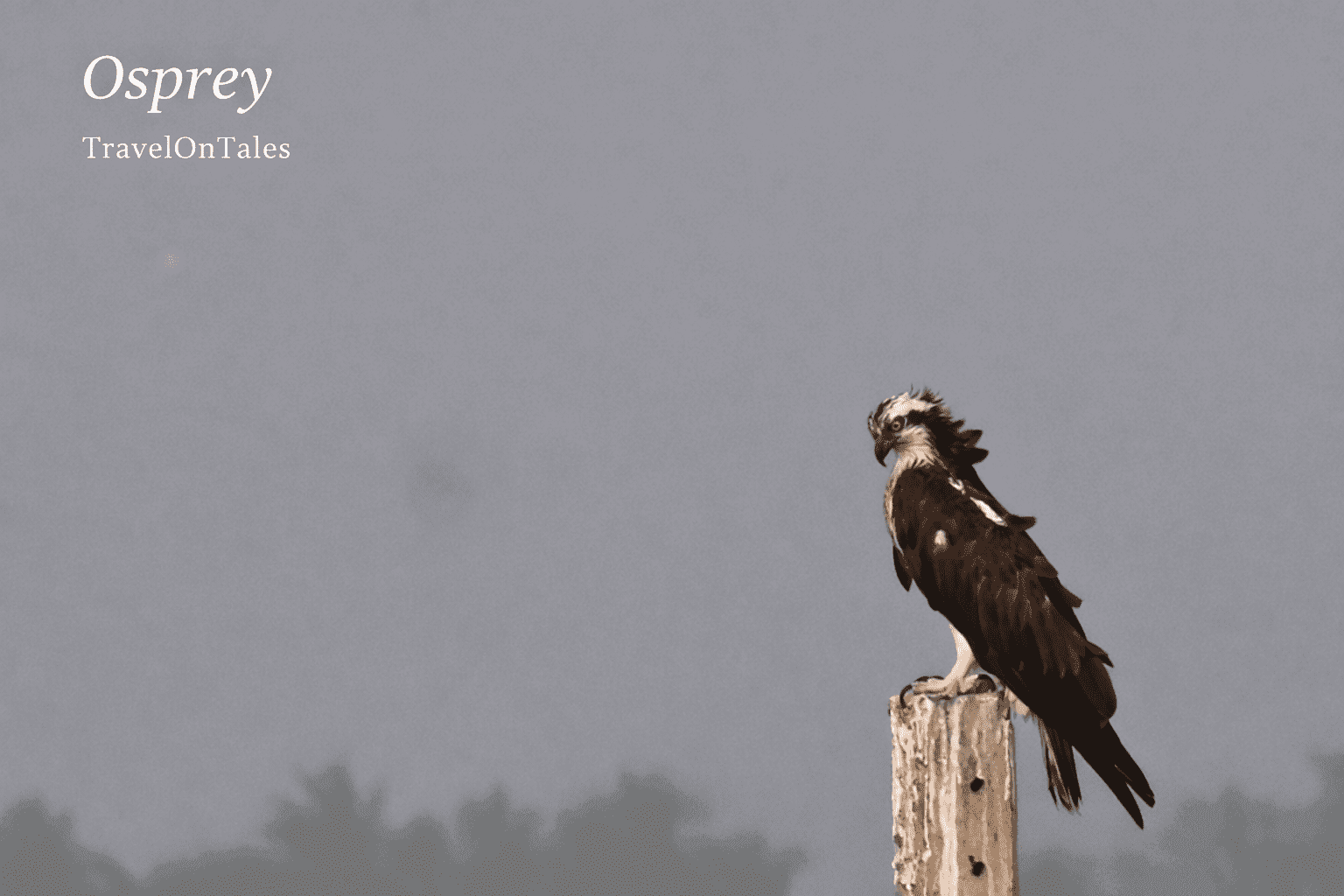
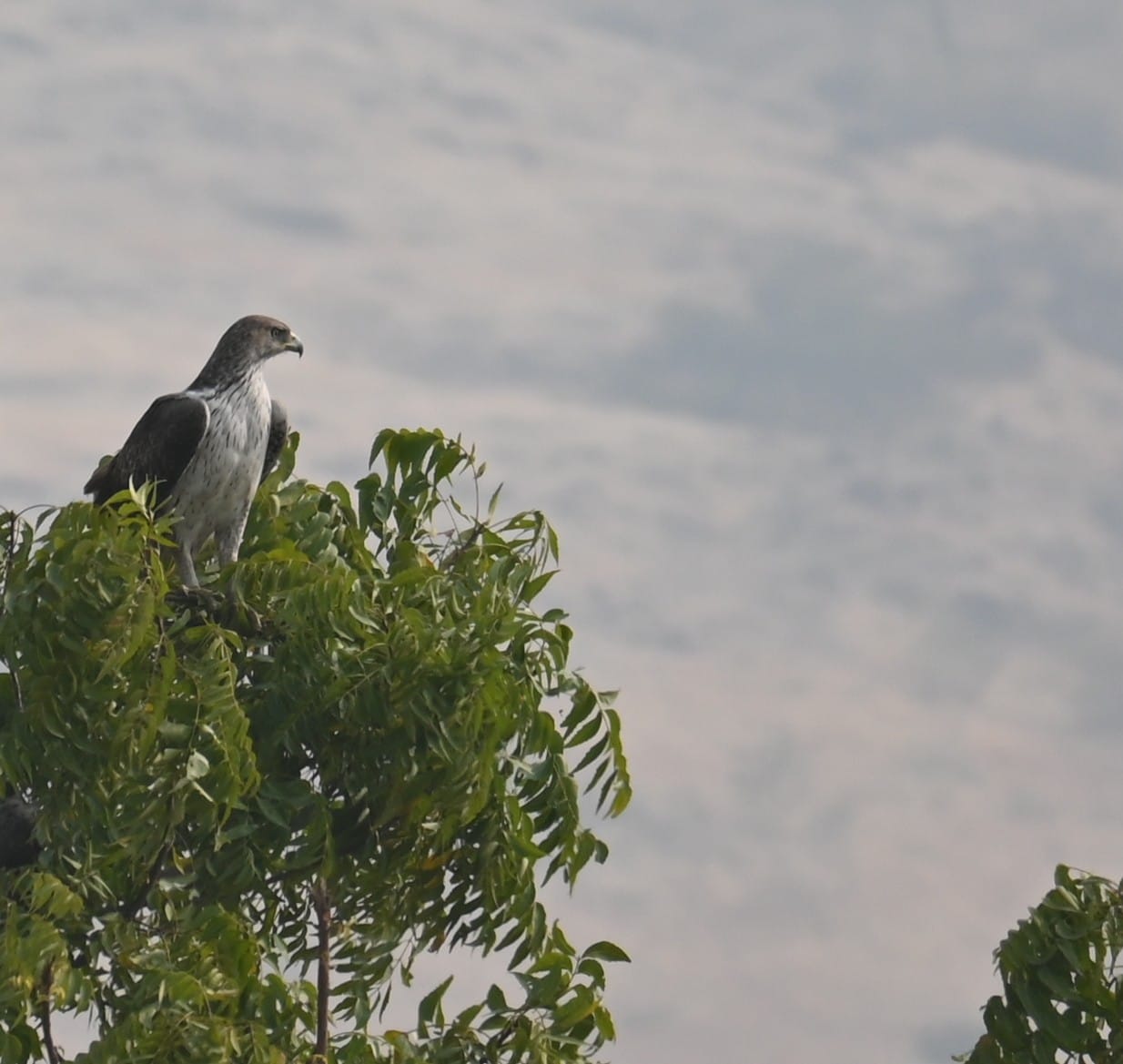
Bhigwan is good for raptors and this is under-appreciated. Osprey hunt over the open water, harriers quarter the grassland at dawn and dusk, and Bonelli’s Eagle and Short-toed Snake Eagle are both regular.
What to carry
- Long lens. 400mm or more. Even from a boat, birds keep their distance.
- Beanbag for the boat rail. A tripod is useless on water.
- Warm layers. A December dawn on open water is genuinely cold.
- Sun protection for later. There is no shade on the backwaters.
- Cash for the boat and the guide. Do not count on cards.
Frequently asked questions
What is the best time to visit Bhigwan?
November to February. The migratory birds arrive with the cold weather and most have left by March.
How far is Bhigwan from Pune?
About 100 km, or two to two and a half hours by road. Around five hours from Mumbai.
Do I need a boat?
For the waterbirds, yes. Boats run from Diksal and Kumbhargaon. The grassland at Kadbanwadi is done by road.
Are flamingos guaranteed?
No. Numbers vary between seasons and with water levels. Most winters they are present, but nobody can promise them.
Can I do Bhigwan as a day trip?
You can, and many do. But staying overnight and being on the water at first light is a noticeably better trip.
Related: Birds of Bhigwan — 39 species, Bhigwan Bird Photography, Chestnut-bellied Sandgrouse at Kadbanwadi and Osprey at Bhigwan.