
Bhigwan · Ujani Backwaters · Maharashtra
Birds of Bhigwan: ten to know before you go
Two hours south-east of Pune, the backwaters of the Ujani Dam turn each winter into one of Maharashtra’s finest birding grounds. Here are ten birds we photographed on a single trip — with their names.
Field notes
A wetland that fills up in winter
Where the Ujani reservoir spreads shallow across the plains at Bhigwan, water, mudflat and grassland braid together into a mosaic that migratory birds cannot resist. Between November and February, flocks pour in from Central Asia and the Himalaya to join the resident storks, terns and raptors that hold the wetland year-round.
Flamingos get the headlines, but the real reward here is the sheer variety — ducks rafting on open water, waders stitching the shallows, harriers gliding low over the fields at dusk. Every bird below was photographed on the Ujani backwaters. Use it as a checklist for your own visit.
- Where
- Bhigwan (Kumbhargaon), Ujani backwaters
- Best season
- November to February
- Best time of day
- Sunrise & late afternoon
- How to bird it
- Local boat safari from the jetty
- Also look for
- Flamingos, Bar-headed Goose, Osprey
The checklist · 10 species
Ten birds of Bhigwan, with names
Each plate carries the common name, its scientific (binomial) name, a short field note, and where on the backwaters to look.
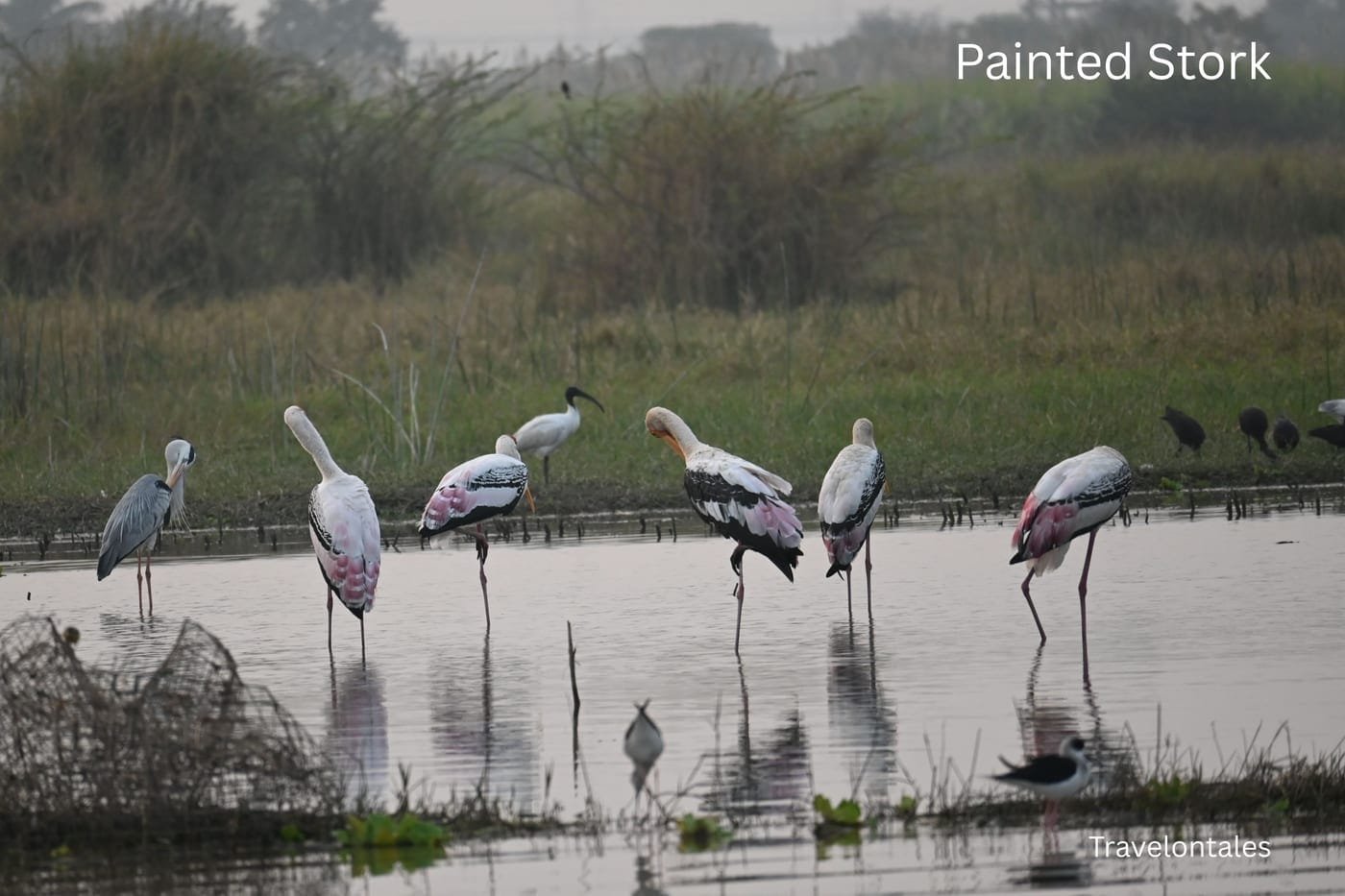
Painted Stork
Mycteria leucocephalaA wading giant with a saffron-dipped bill and rose-tinted flight feathers. At Bhigwan they stalk the shallow margins in loose parties, sieving fish from the warm water with their heavy, down-curved bills.
Where to see itShallow backwaters near the Kumbhargaon jetty.
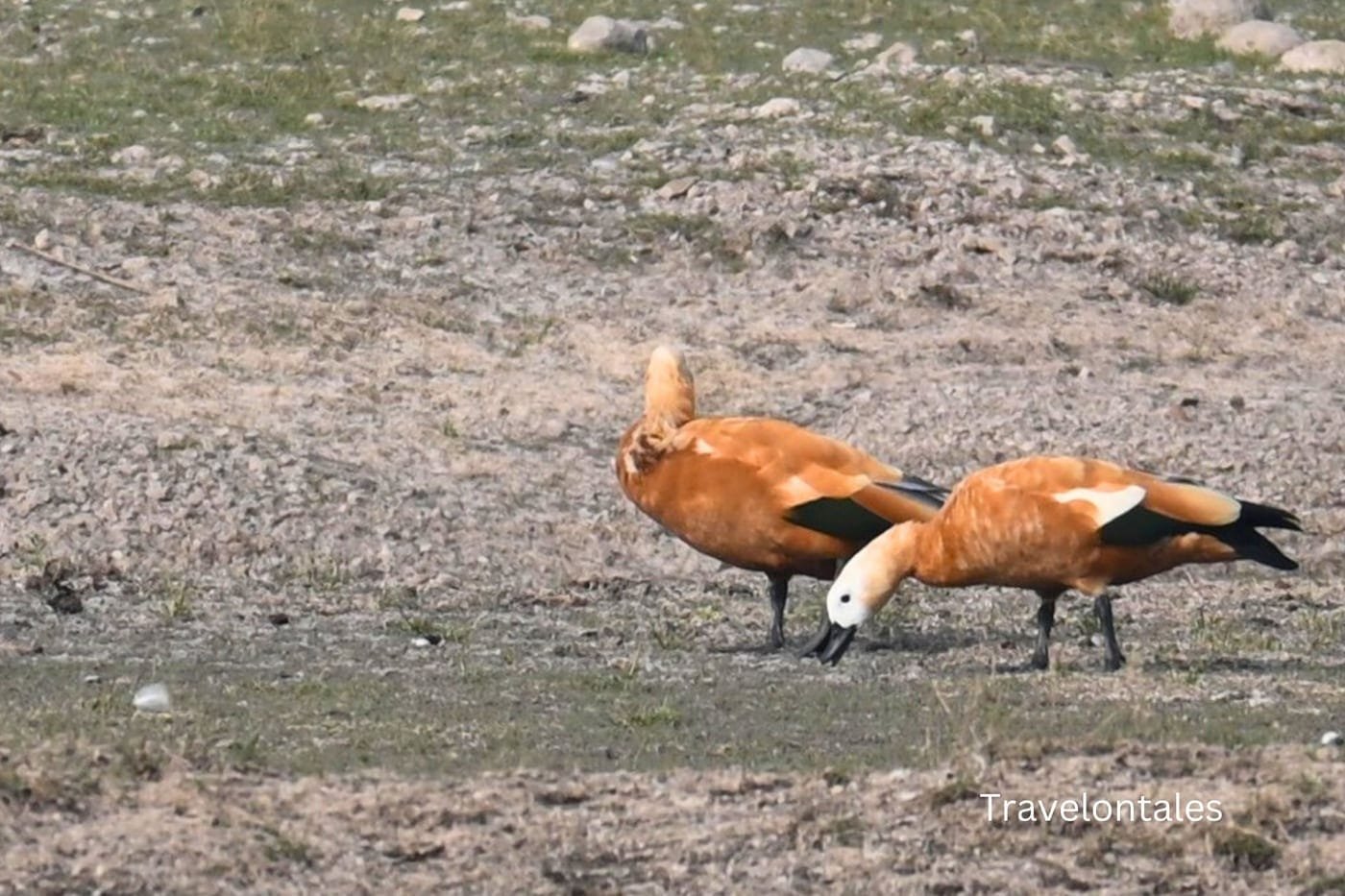
Ruddy Shelduck
Tadorna ferrugineaThe signature bird of a Bhigwan winter. Known locally as the Brahminy Duck, these cinnamon-orange waterfowl arrive in noisy flocks from Central Asia and dominate the mudflats through the cold months.
Where to see itOpen mudflats and sandbars, often in pairs.
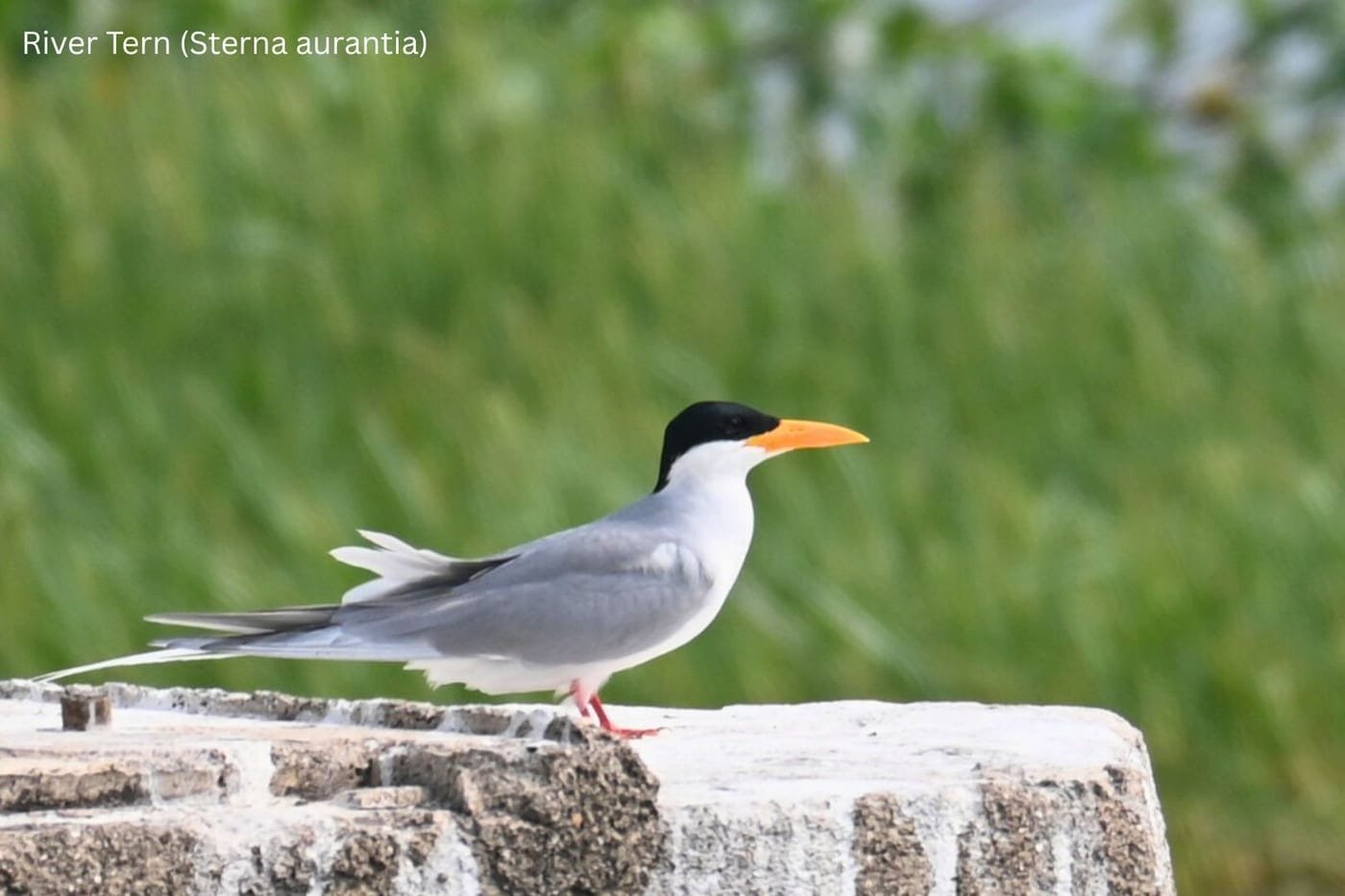
River Tern
Sterna aurantiaA resident of the reservoir, elegant in grey and white with a jet-black cap and a dagger of an orange bill. Watch it hover and plunge for fish, or rest on the exposed sandbars where it breeds.
Where to see itSandbars and open water, all year round.
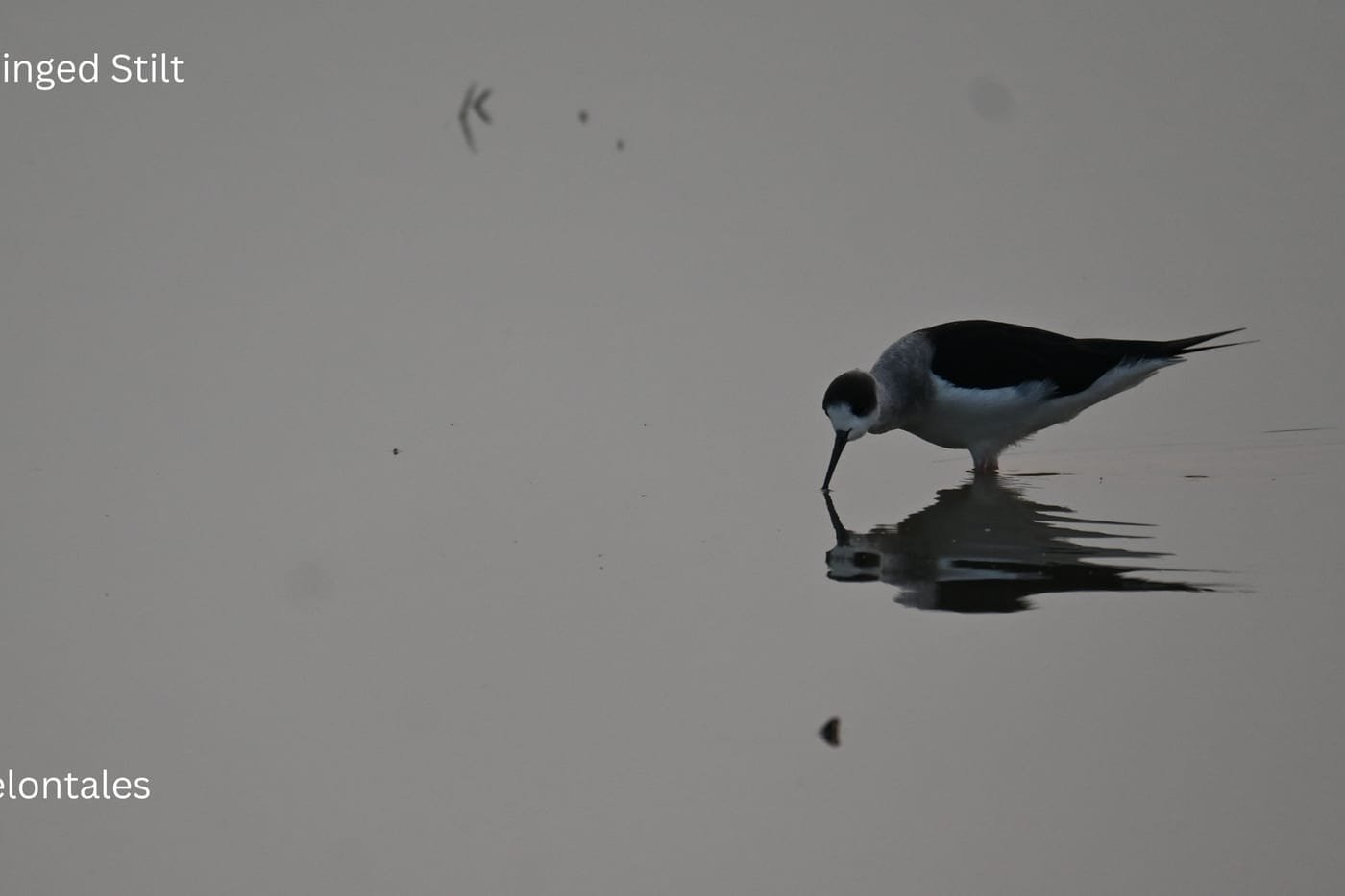
Black-winged Stilt
Himantopus himantopusImpossibly long pink legs on a pin-neat black-and-white body. Abundant across the shallow marsh, it wades belly-deep in the still water, its mirror image doubling it on the glassy surface.
Where to see itShallow marsh edges — one of the commonest waders here.
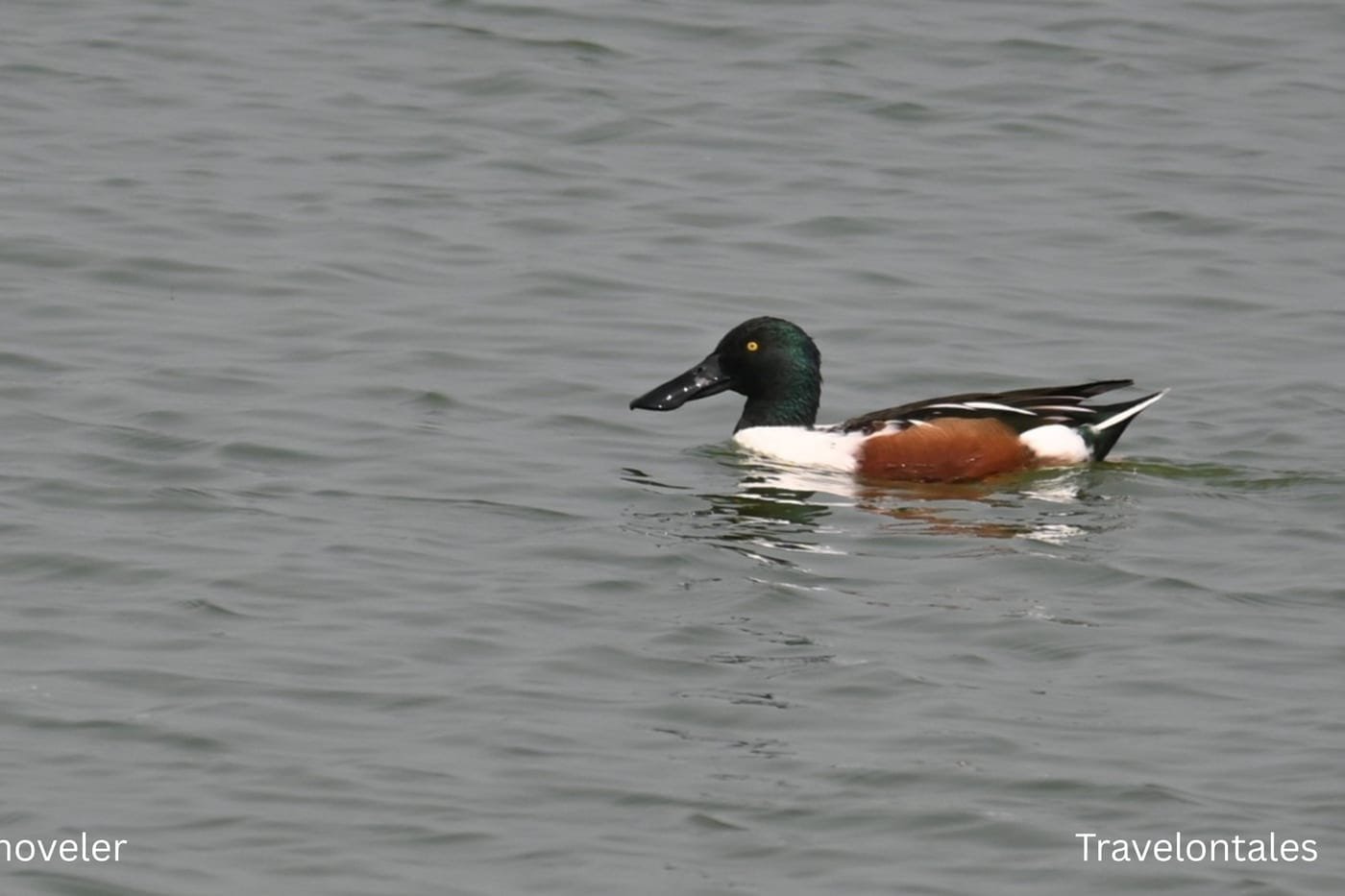
Northern Shoveler
Spatula clypeataA winter migrant duck named for its outsized spatulate bill, which it sweeps side to side to filter the surface. The drake’s bottle-green head and chestnut flanks catch the low morning light beautifully.
Where to see itRafting on open water among other wintering ducks.
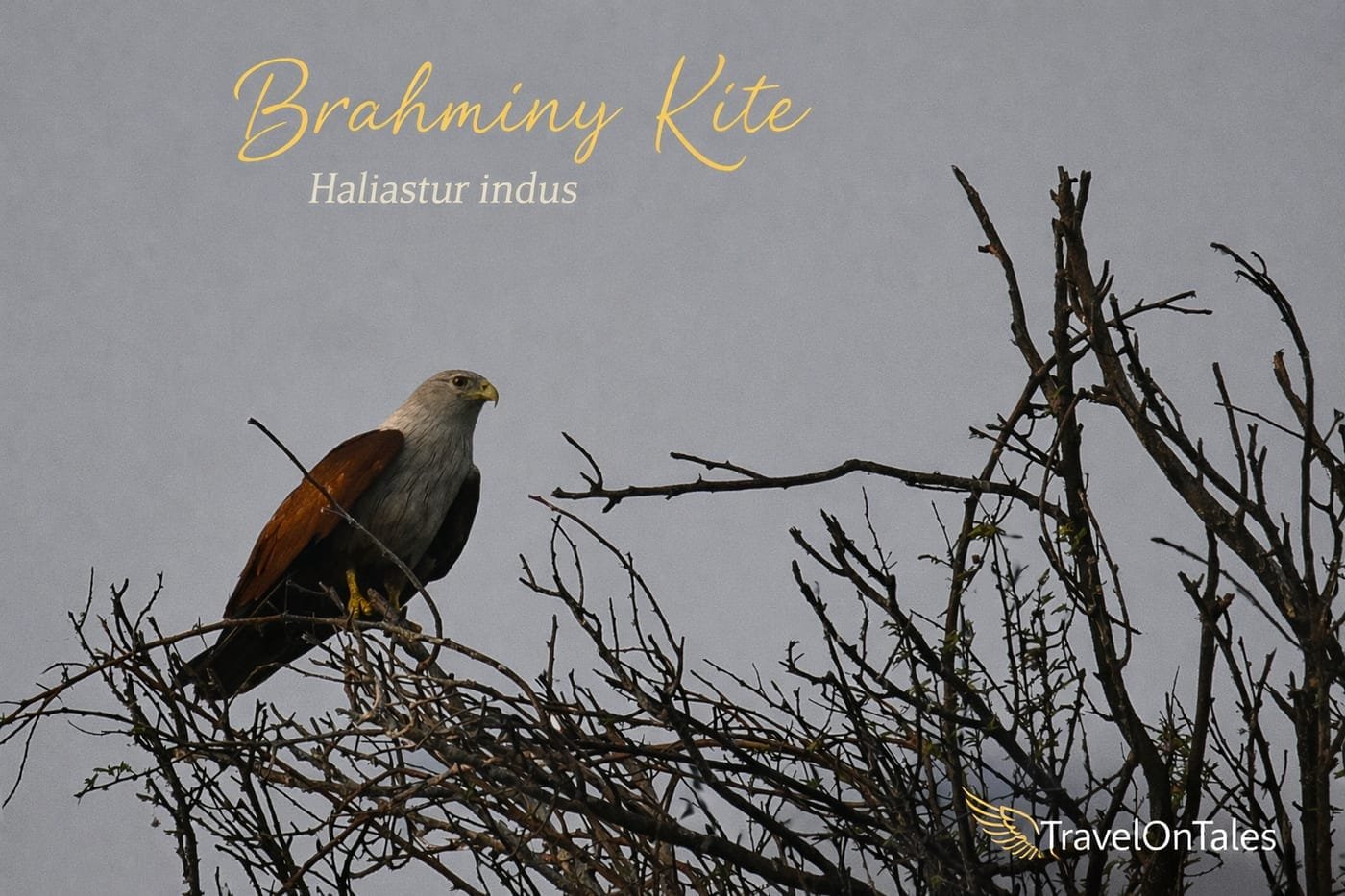
Brahminy Kite
Haliastur indusA handsome raptor in chestnut and white, patrolling the waterline for fish and scraps. Often seen perched on dead branches over the backwaters before it wheels out low across the reservoir.
Where to see itPerched snags and open sky above the water.
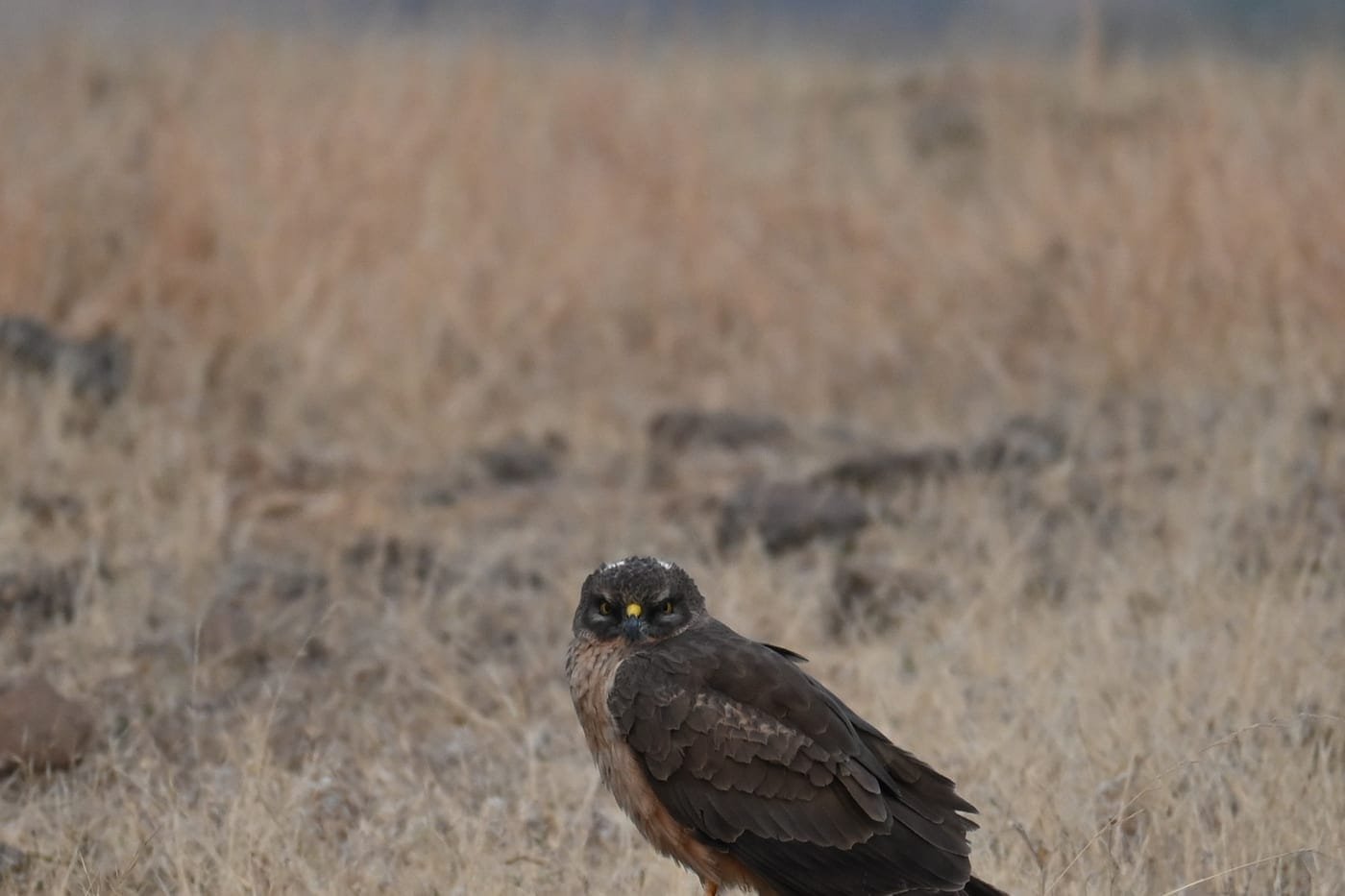
Montagu’s Harrier
Circus pygargusA slender, buoyant harrier that quarters the grasslands around Bhigwan on raised wings. These long-distance migrants gather to roost here in winter — dawn and dusk are the times to catch them hunting low.
Where to see itGrassland fringes at first and last light.
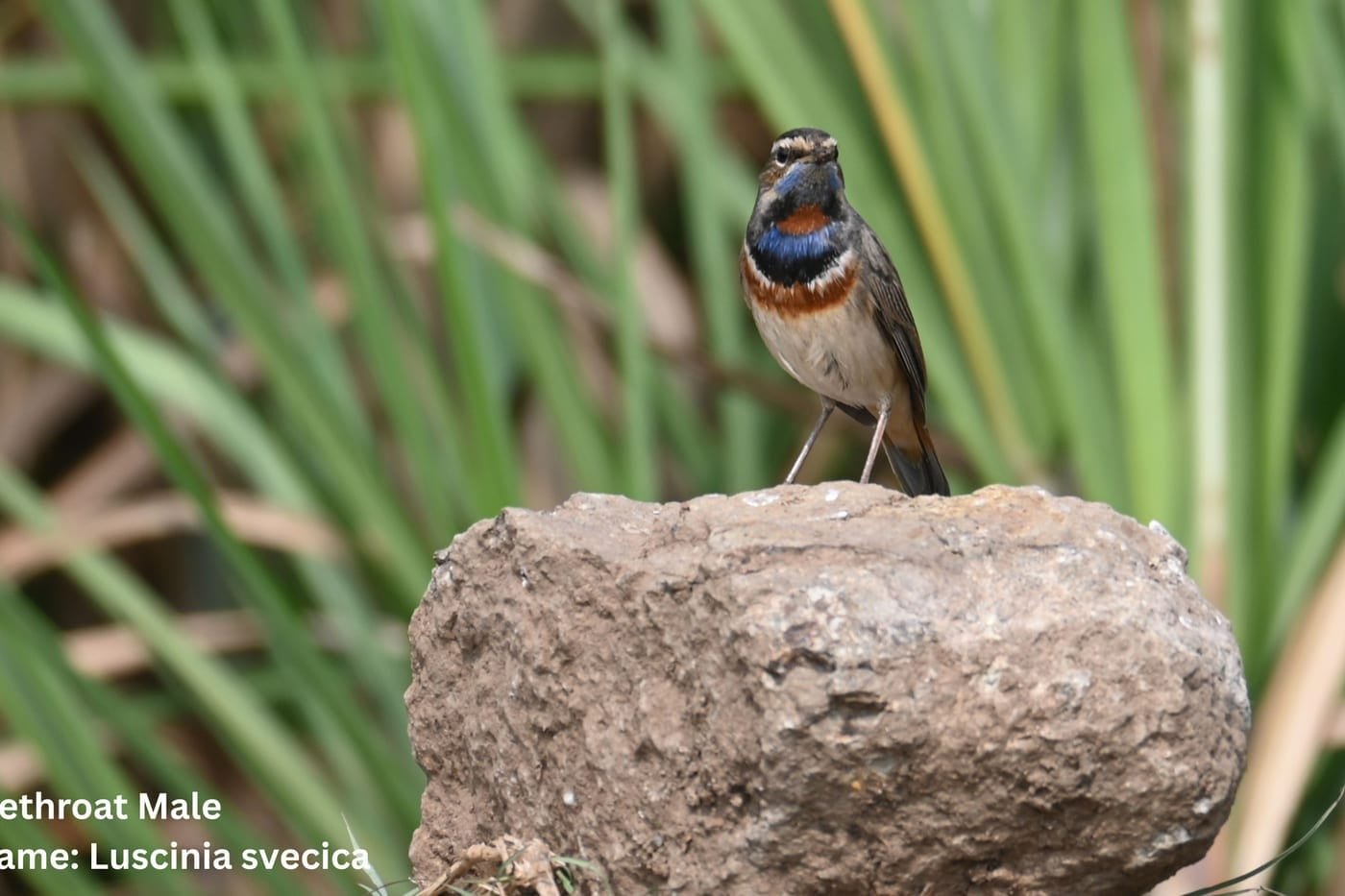
Bluethroat
Luscinia svecicaA skulking winter visitor of reed edges and scrub, the male flashing a startling cobalt-and-chestnut throat. Patient watching along the marsh fringe is rewarded when it finally hops into the open.
Where to see itLow in reeds and scrub near the water’s edge.
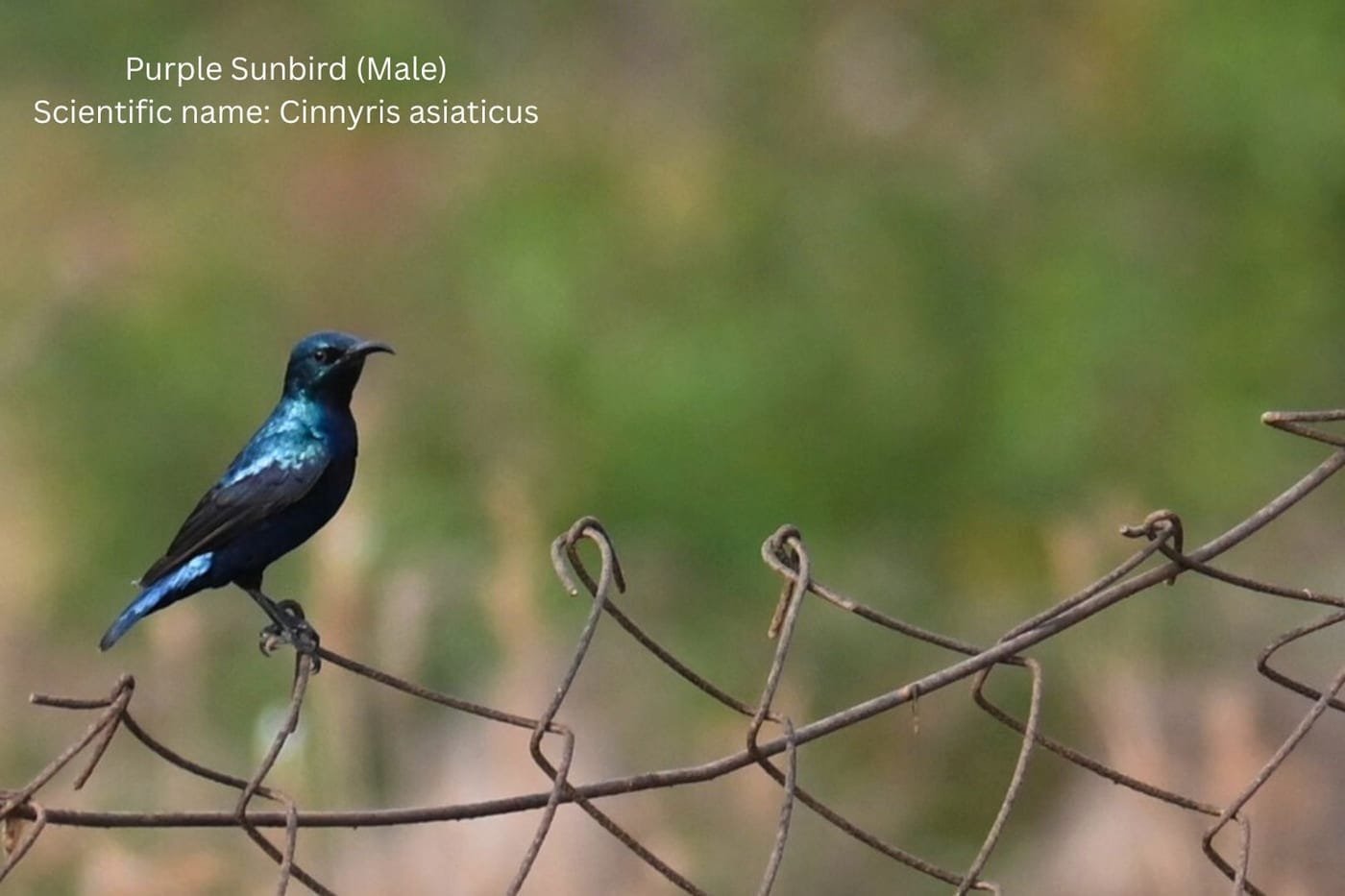
Purple Sunbird
Cinnyris asiaticusTiny and restless, the breeding male glows iridescent purple-black in direct sun. It works the flowering scrub around the wetland — a living jewel set against the dry-season browns.
Where to see itFlowering bushes and fence-lines around the fields.
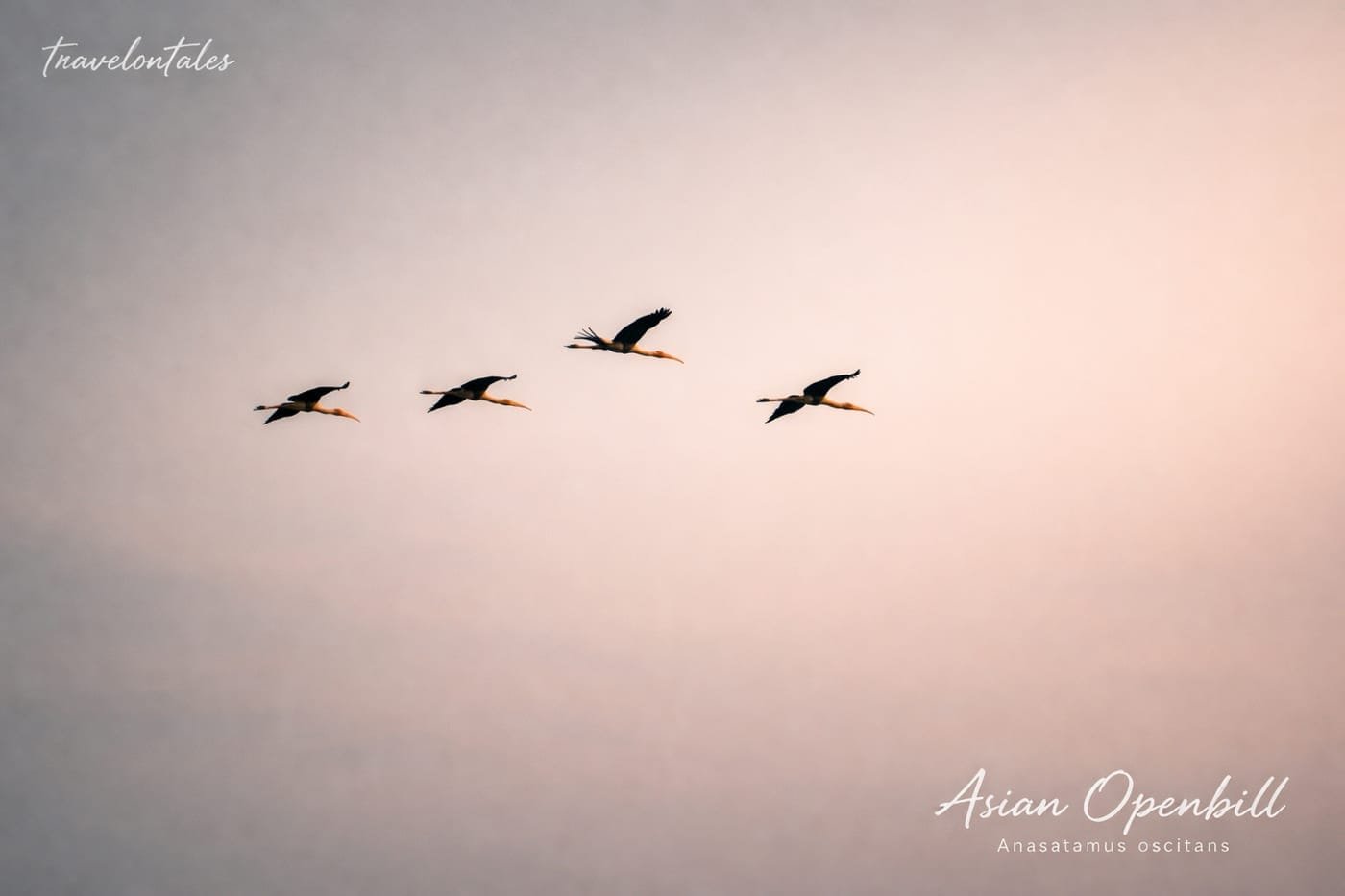
Asian Openbill
Anastomus oscitansA stork named for the curious gap in its closed bill, perfectly shaped for prising snails from their shells. Loose skeins drift over Bhigwan, dark against the pale winter sky, on their way between feeding grounds.
Where to see itOverhead in flocks, and stalking the shallows.
Before you go
Bhigwan birding — quick questions
Where is Bhigwan Bird Sanctuary? +
Bhigwan sits on the backwaters of the Ujani Dam, on the border of Pune and Solapur districts in Maharashtra — roughly 100 km south-east of Pune city. Most birders base themselves at Kumbhargaon village, where the boat jetty and local guides are.
What is the best time to visit Bhigwan for birding? +
The migratory season runs from November to February, when the largest numbers and the greatest variety of birds are present. Go at sunrise or in the late afternoon for the best light and the most active birds; the midday hours are quiet.
Can you see flamingos at Bhigwan? +
Yes — both Greater and Lesser Flamingos winter on the Ujani backwaters and are one of the big draws, alongside the Ruddy Shelduck flocks. Numbers vary year to year with the water level, so a local guide’s up-to-date advice helps.
How do you go birding at Bhigwan? +
The classic way is a small boat safari from the Kumbhargaon jetty, which brings you close to rafts of ducks, waders and flamingos on the water. Hiring a knowledgeable local guide is well worth it — they know where the roosts, harriers and specialities are on any given morning.
Plan the trip
Ready to see them for yourself?
Our full Bhigwan Bird Sanctuary guide covers how to reach Kumbhargaon, booking a boat safari, where to stay, the complete species checklist, and the best months to go.
Click here for the full birding guide →