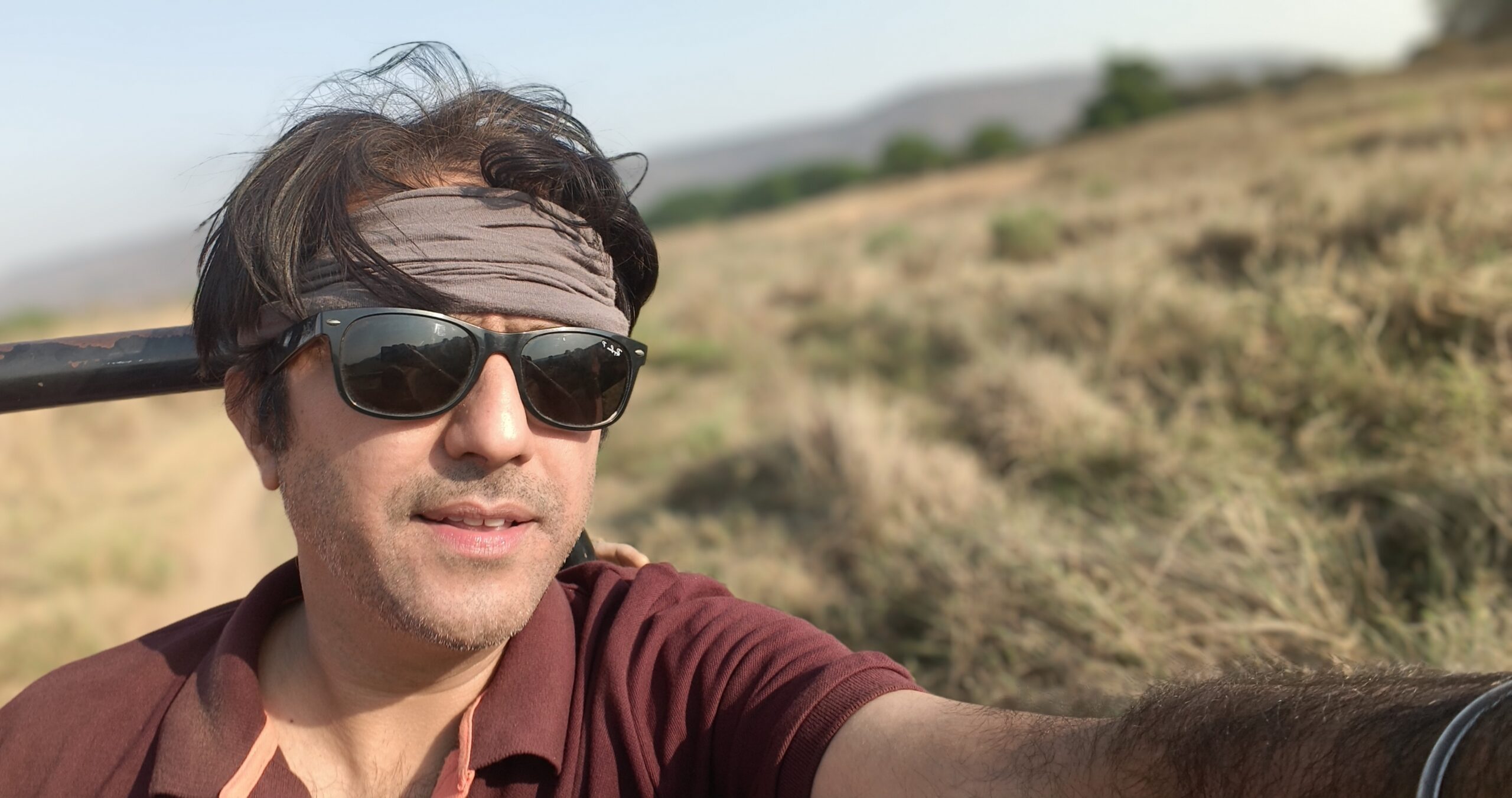
You Came to See a Tiger.
You Stayed to See the Jungle.
You booked the safari hoping to see the most famous cat on earth. But what if the most extraordinary thing you encounter has nothing to do with it? A field dispatch from Bandhavgarh, Tadoba & Panna.
The one animal whose silhouette they have seen on every poster, every screensaver, every documentary opening sequence since childhood.
And sometimes — not always, but sometimes — they find it. And the world stops for a few seconds, and the camera shutter fires, and something ancient and unarticulate moves in the chest.
But here is what no one told you when you booked. The forest was never only about the tiger. The tiger is the headline. Everything else in there is the actual story — and it has been running, uninterrupted, for ten thousand years.
The Sambar: The Forest’s Own Alarm System
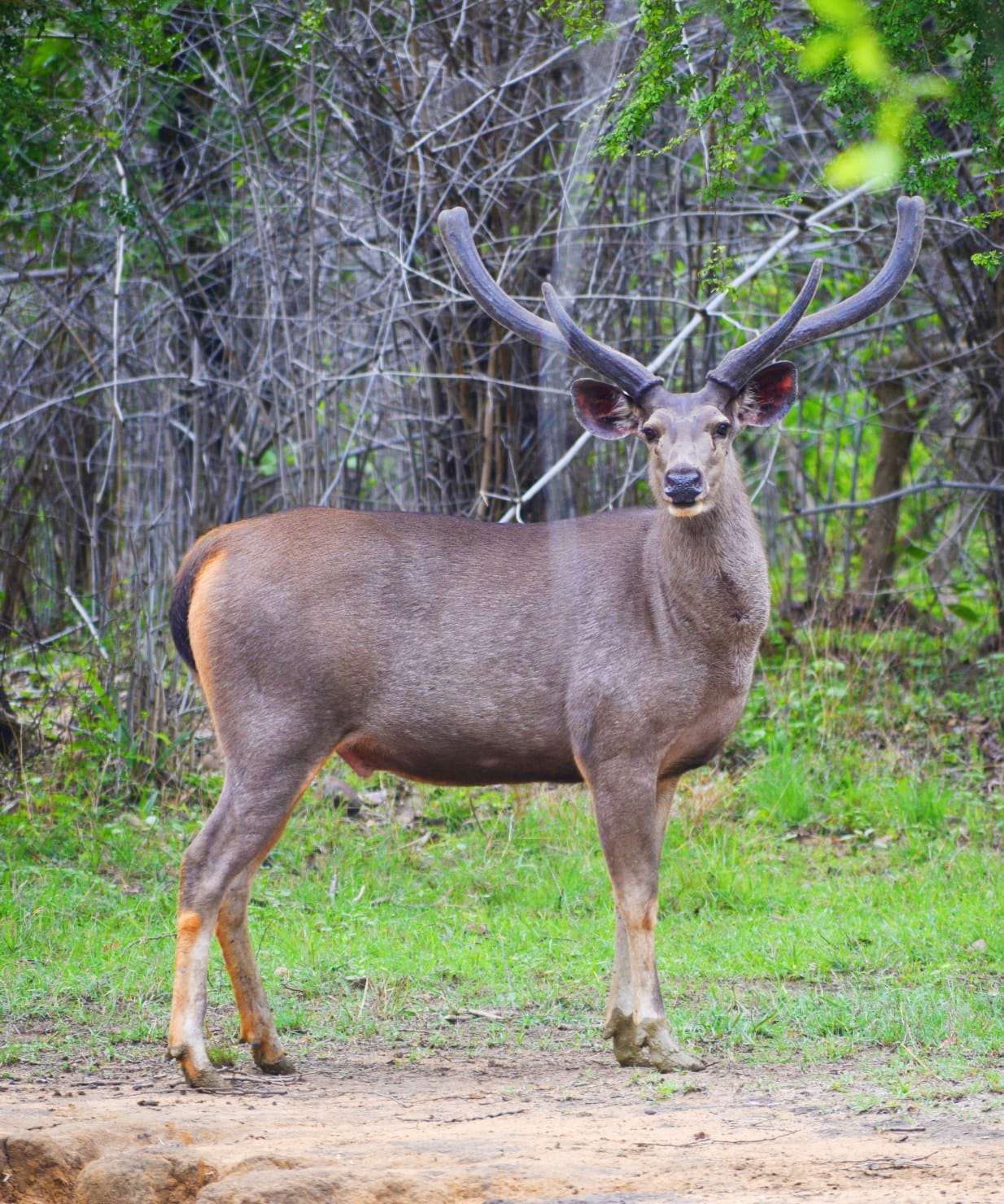
Before the tiger shows itself, the sambar speaks
That sharp, resonating dhank — a bark that cuts through the forest like a hammer on iron — means one thing. Something is watching. Every good naturalist stops the jeep the moment it echoes, and every eye in the vehicle follows the sambar’s gaze into the treeline.
The sambar is India’s largest deer. A big stag carries antlers that branch three times. They move with a wary dignity that belongs to an animal hunted by every apex predator in Asia for ten million years. Watching one stand motionless at dusk, ears swivelling like satellite dishes, is watching evolution in real time.
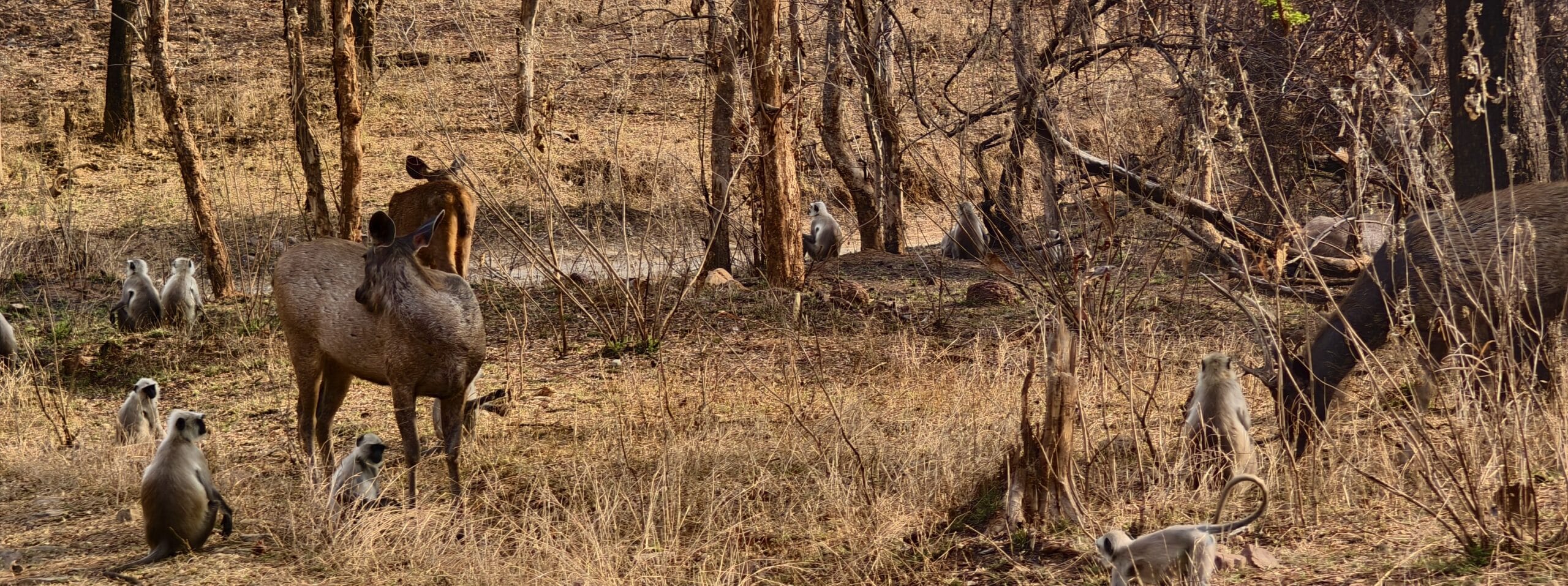
The Chital: The Animal Everyone Stops Photographing Too Soon
First-time safari visitors photograph spotted deer obsessively on day one. By day two, the camera stays in the bag. This is a mistake they all quietly regret back in the city, when they open their gallery and find that the blurry tiger shot they rushed is not the one they keep returning to. The clean, golden-hour chital is.
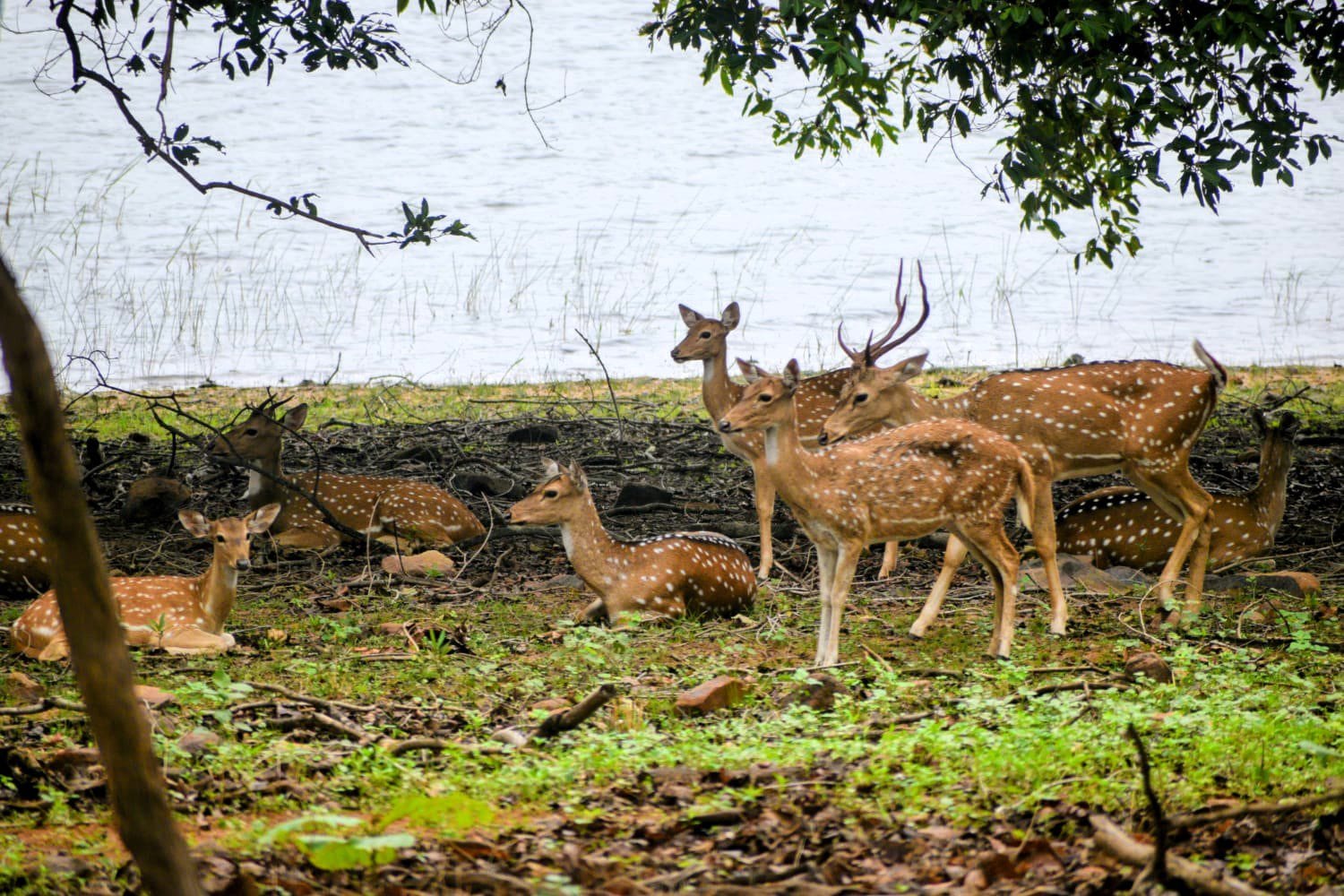
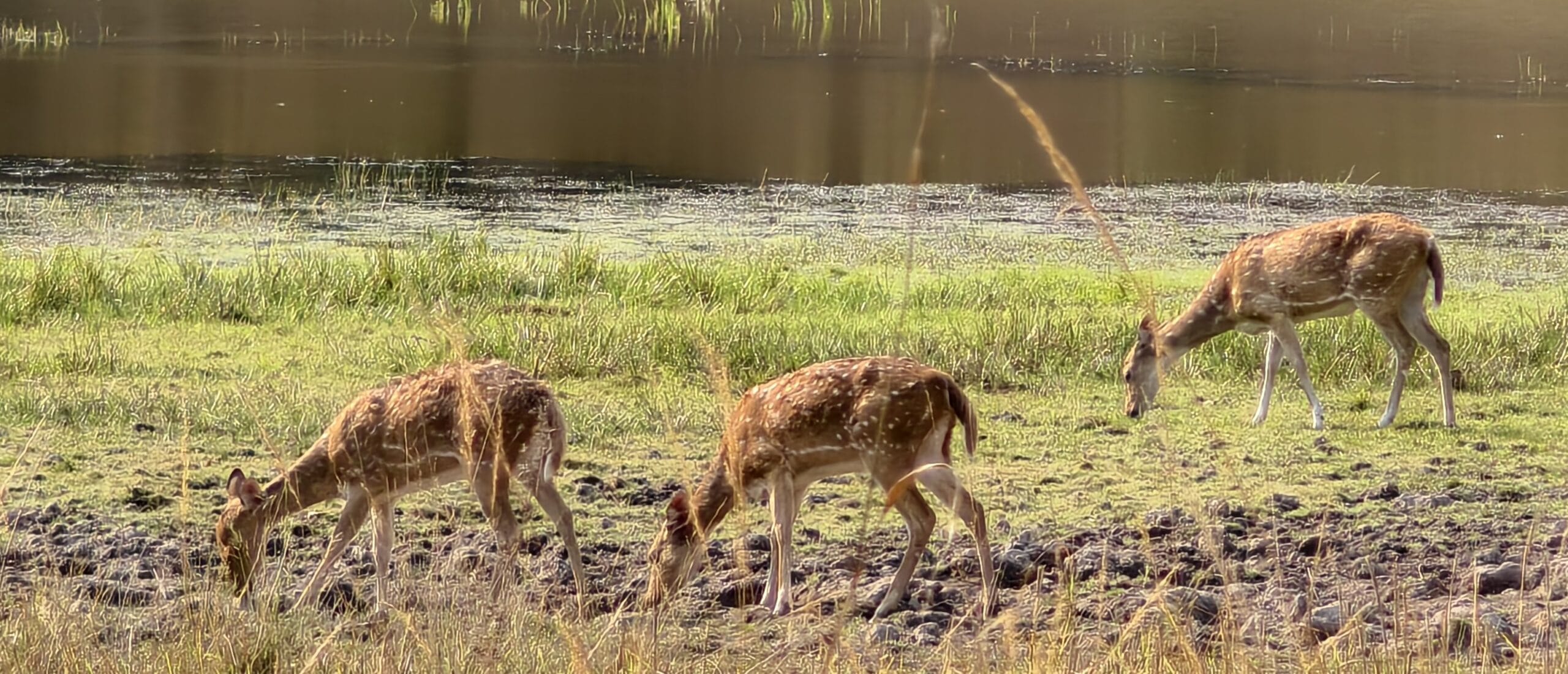
A hundred of them in a meadow at last light
There is no bad photograph of a chital in golden hour. The white spots catch every photon of dying light. Stags call across clearings. Fawns drift between legs. It is the kind of scene that makes a person who has never cared about wildlife sit up straighter and go quiet.
What the chital also gives you is atmosphere. A herd moving freely tells you the tiger has not come through. A herd frozen, every head up, tells you it has. Learning to read their body language is how you track a predator you cannot see.
The tiger is what you see. The jungle is what sees you back. And the jungle is watching through a thousand pairs of eyes that aren’t orange and black. — Field notes, Tadoba, May 2025
The Forest Itself: The Thing Everyone Forgets to See
Nobody puts the forest on their wish list. But ask anyone who has done multiple safaris which images they return to most, and a surprising number describe a moment when the jeep was stopped, the engine off, and they were just sitting inside the canopy listening to everything.
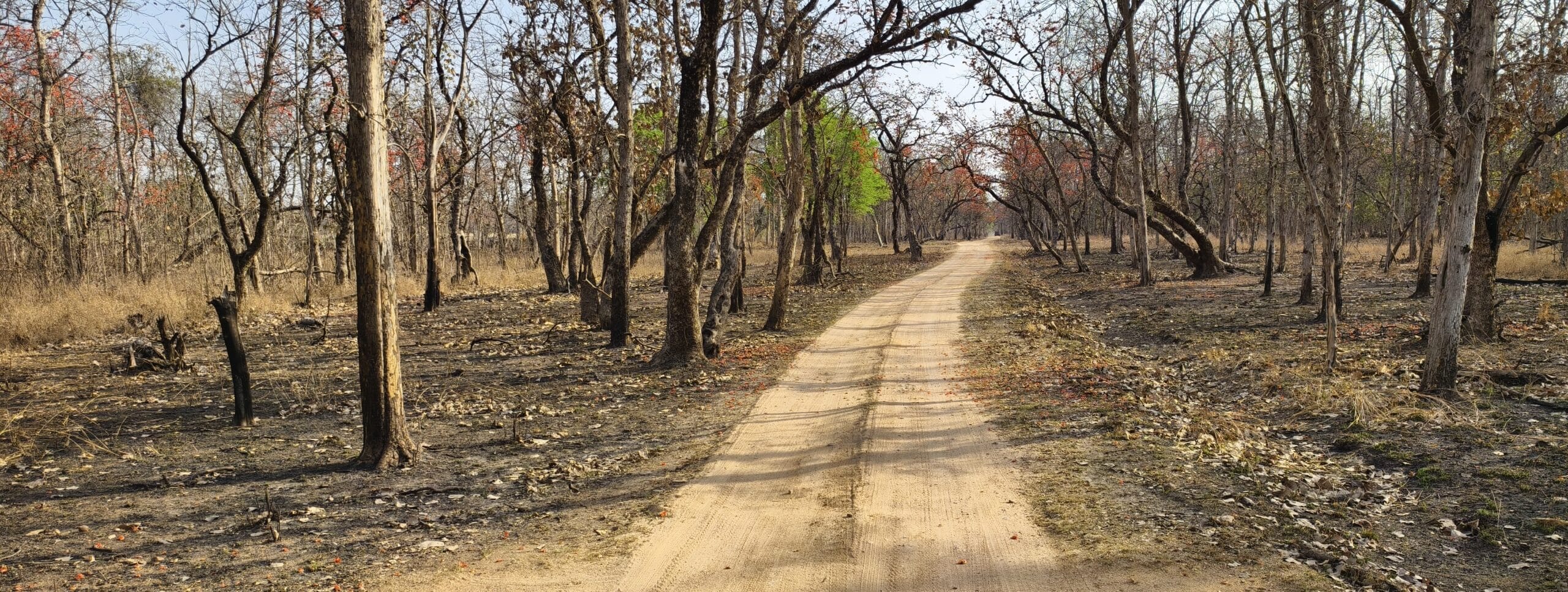
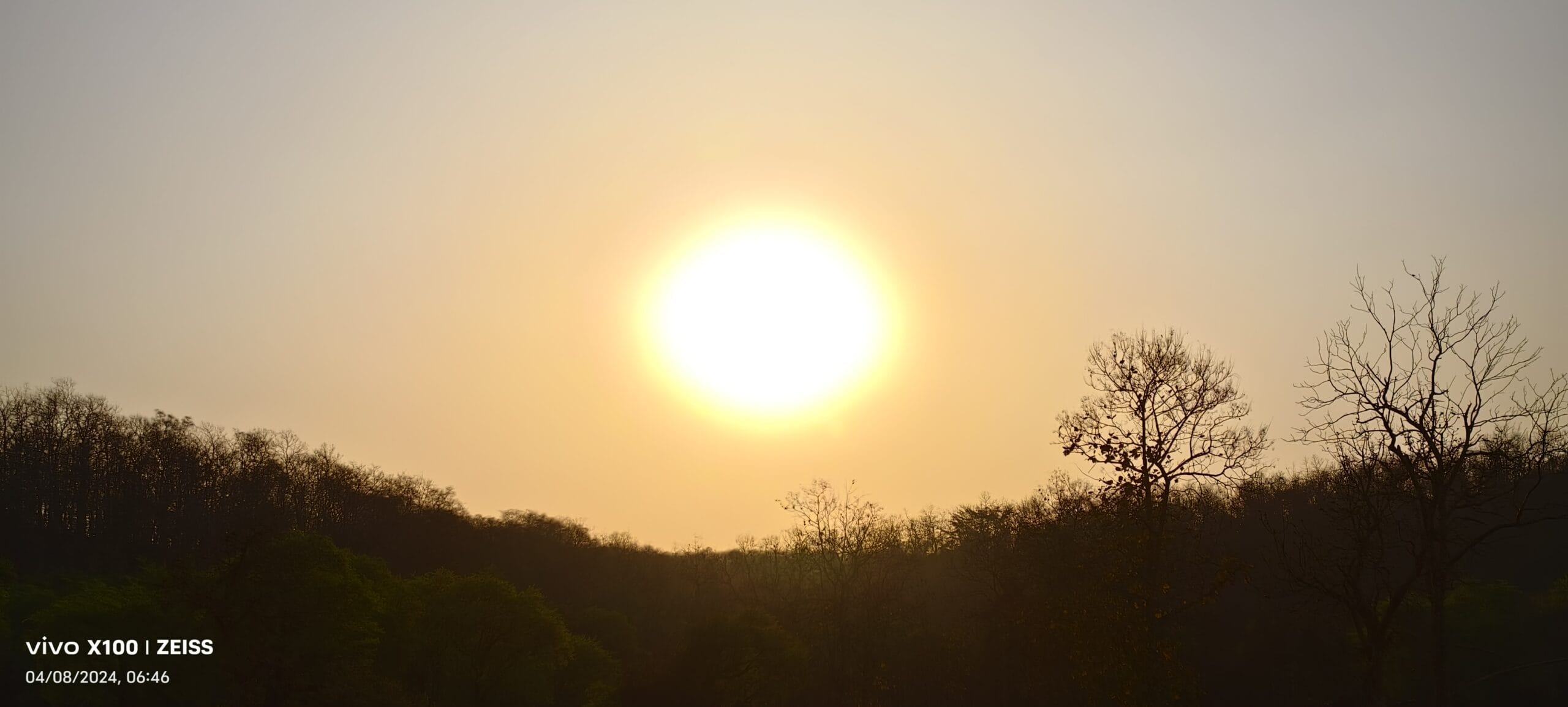
The central Indian forest at dawn smells of damp earth and lantana. The light comes in at long angles through the sal and teak canopy. Your jeep moves on a dirt track unchanged in fifty years. There is no wifi. There is no notification. There is only now.
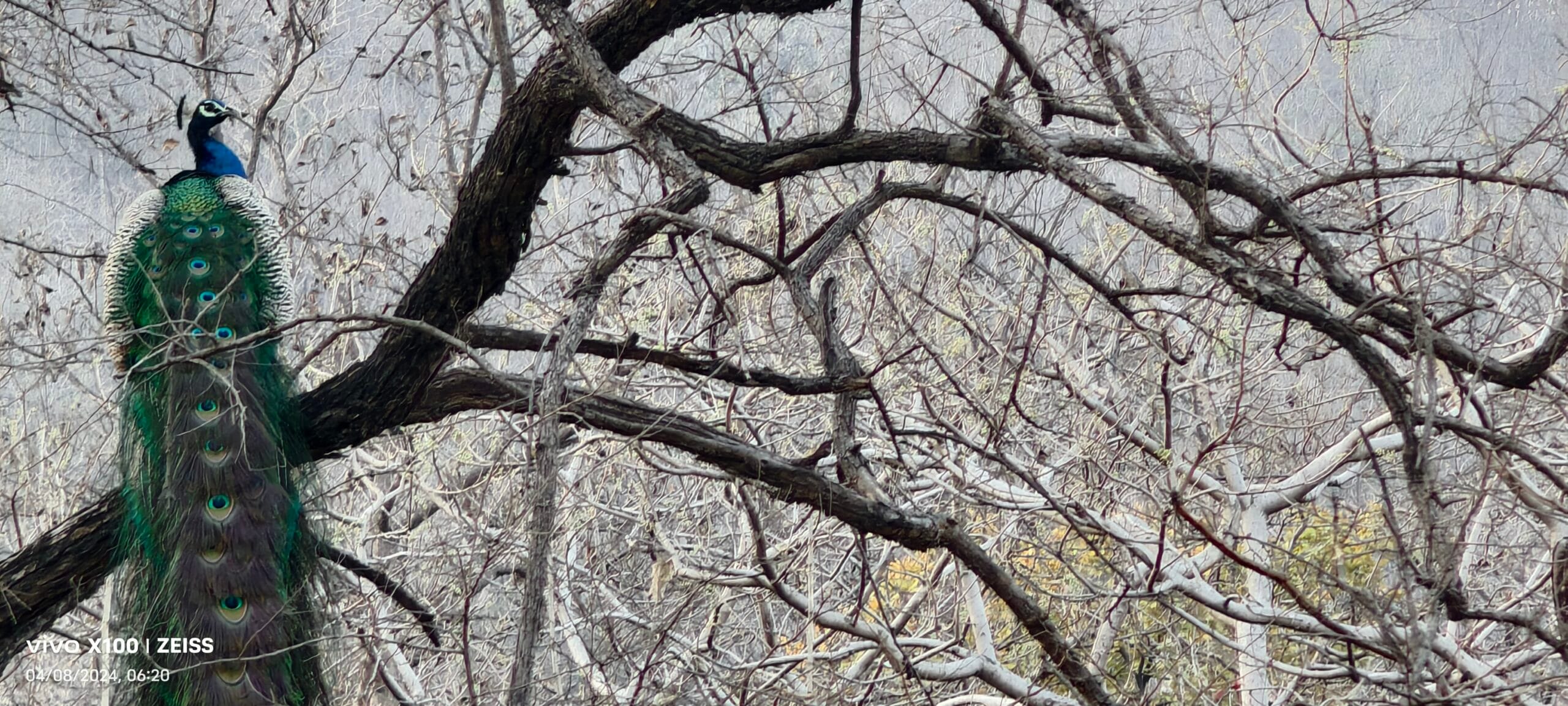
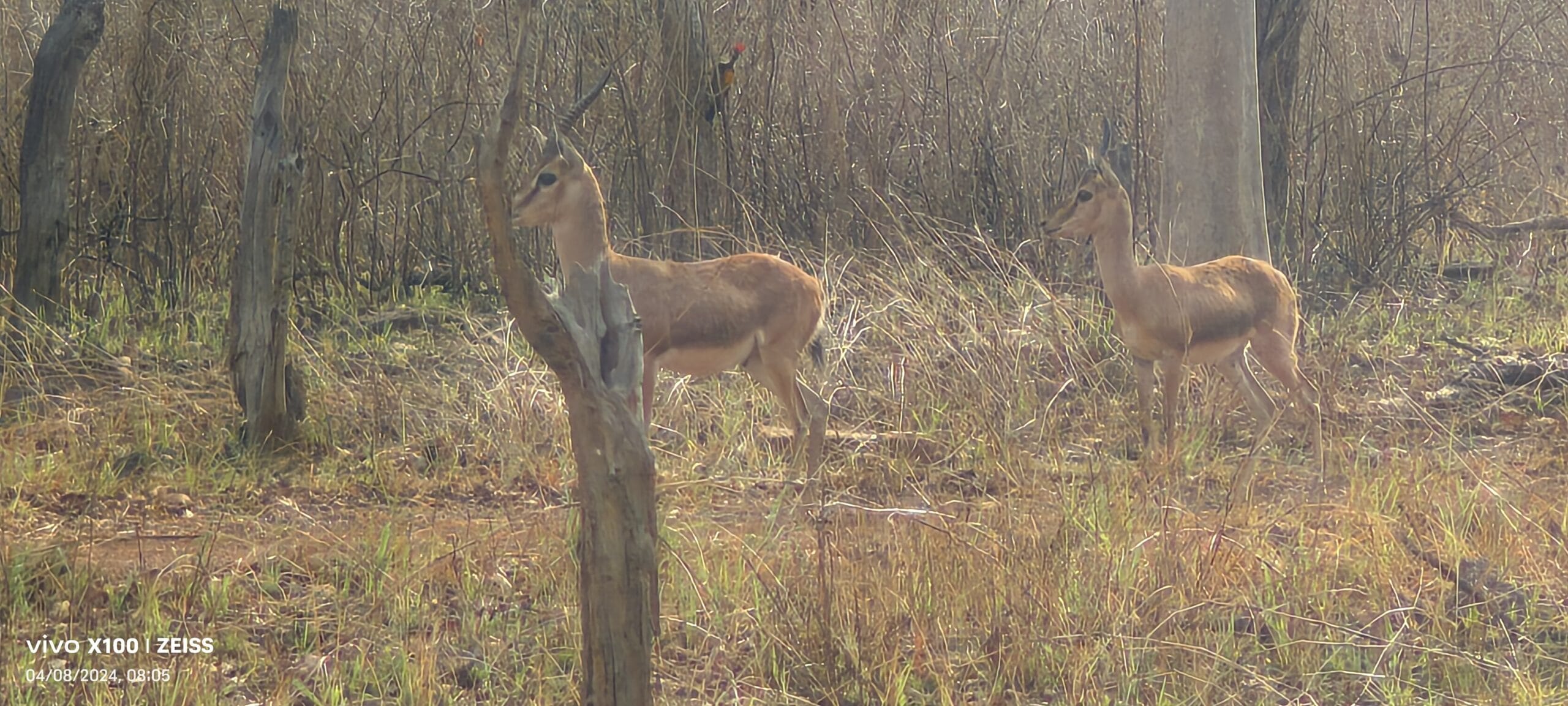
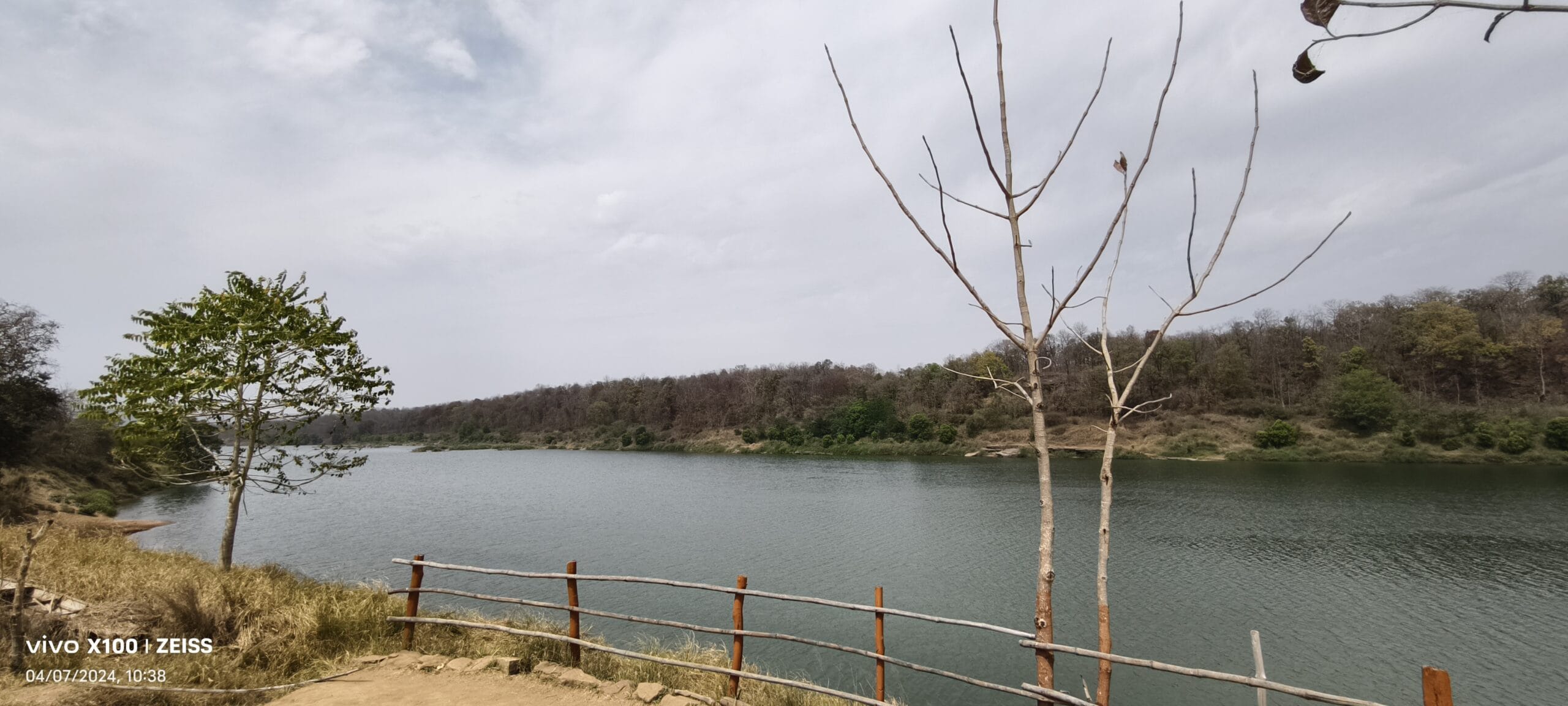
Those three hours between pre-dawn and mid-morning are the ones I always go back for. The forest changes its mood every twenty minutes. Cold silence at 6am. Bird calls layering in. The first deer at the track edge. By the time the sun is properly up and the shadows have shrunk, you have already had a full day inside something wild.
Inside the Green Cathedral
Six hours in a jeep. These are the frames from the silences between sightings.


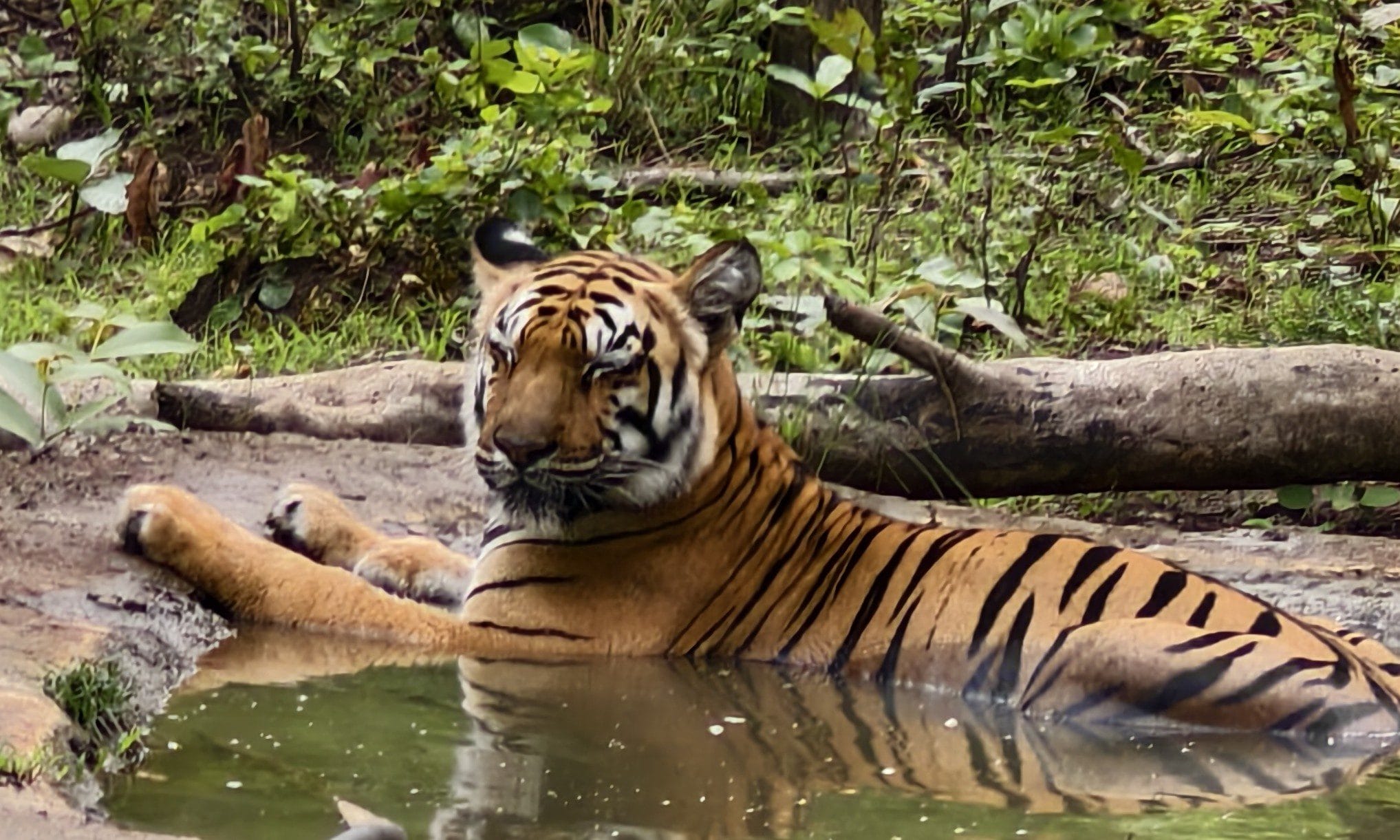
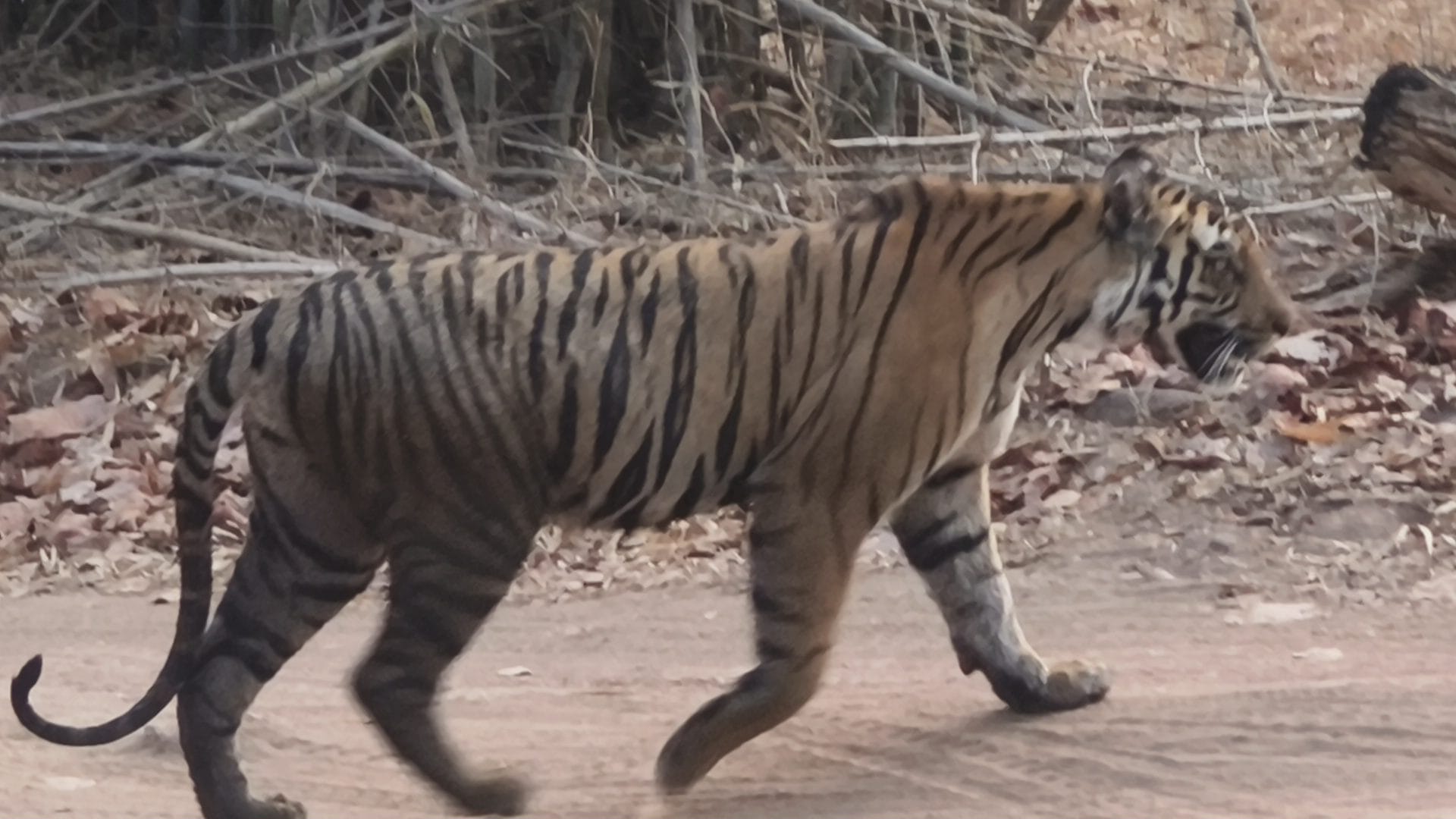
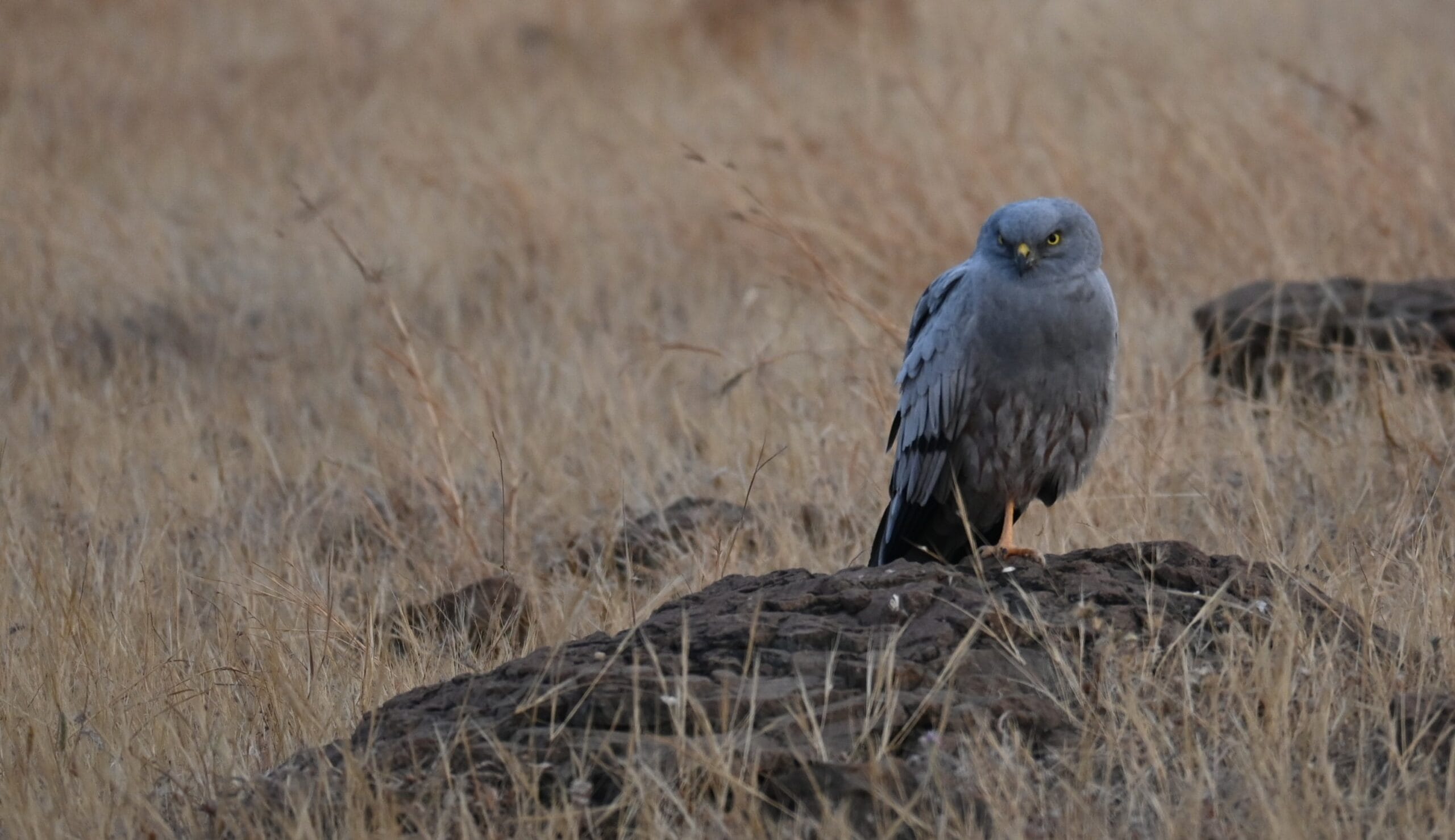
Wild Elephants: When Everything Goes Very Still
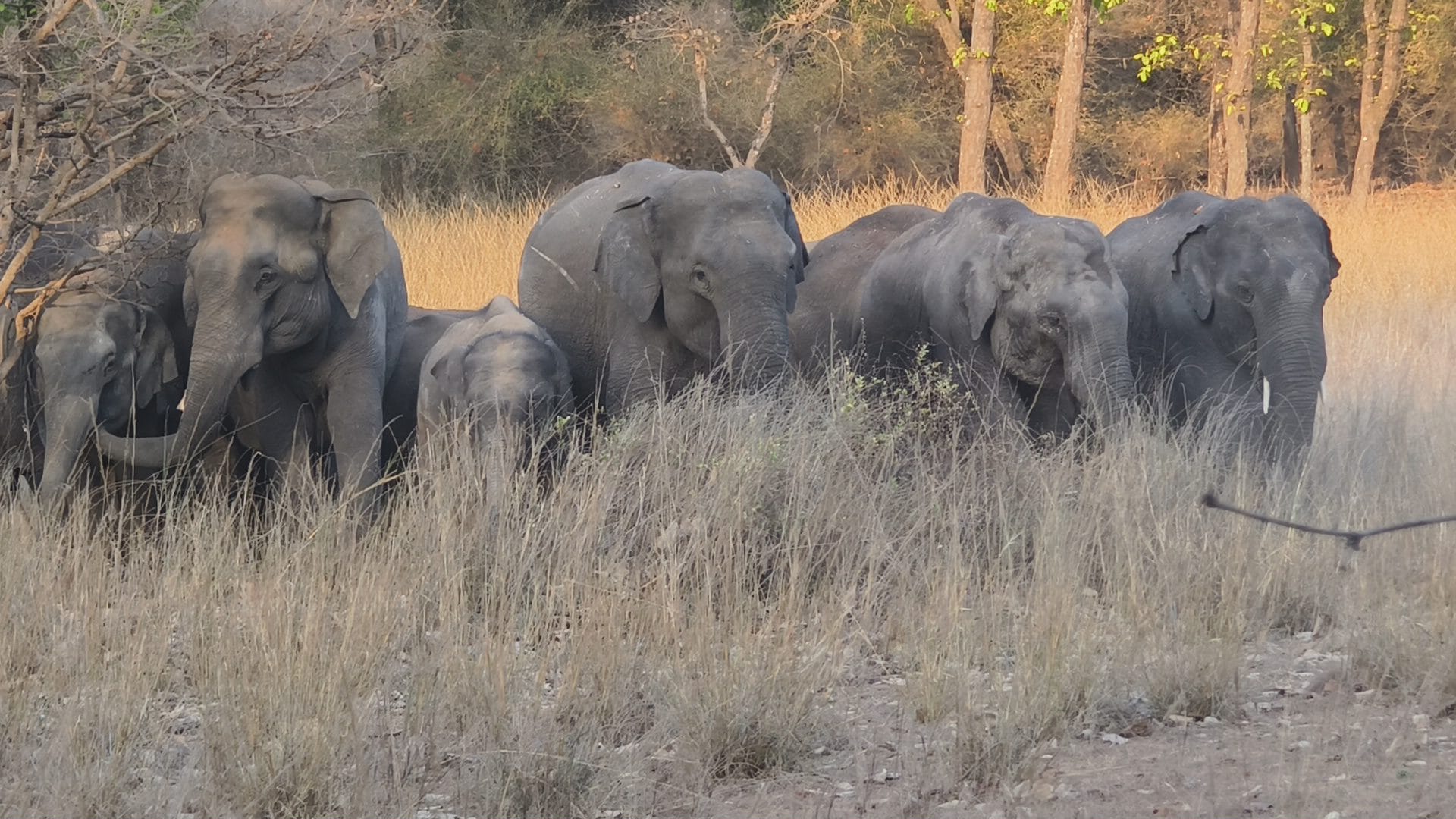
Five tonnes moving through bamboo without a sound
The guide cuts the engine. You have not heard or seen anything yet. Then out of the bamboo — with that impossible silence that a five-tonne animal has absolutely no right to — an elephant steps onto the track. Your jeep is suddenly very small.
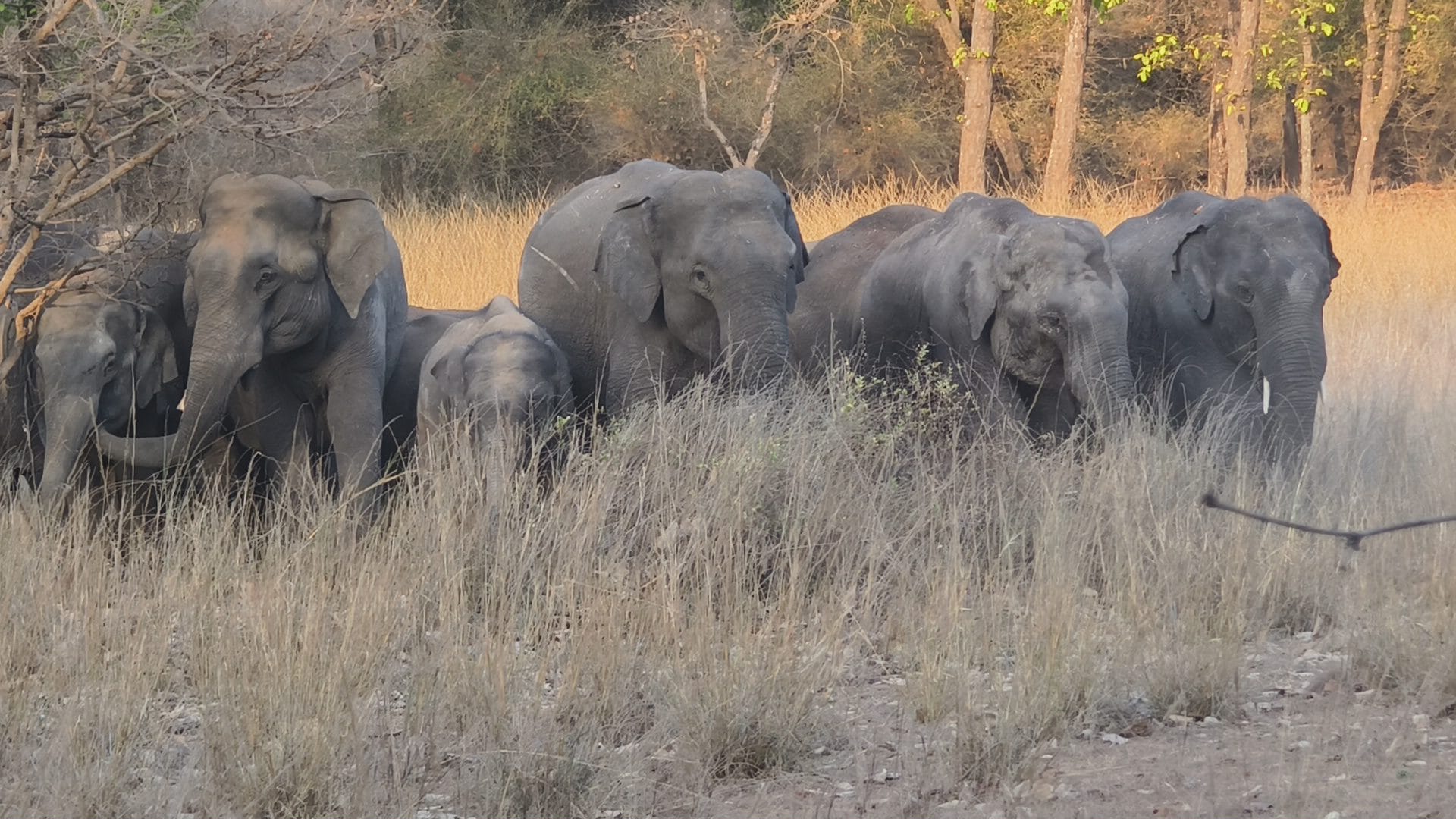
In Bandhavgarh, the elephants sometimes walk directly past your vehicle. For a long moment you are simply in each other’s presence — which is a category of experience most people who have never left a city do not know exists.

Bandhavgarh — Highest Tiger Density in India
The Tala zone has the most reliable sightings — but every zone has elephants, gaur, birds, and deer that will fill your memory card regardless. Book early; morning slots in peak season are gone weeks in advance.
Panna & the Ken River — Tigers, Vultures & Crocodiles
Panna is a landscape of ravines, the Ken river, and some of the best vulture sightings in central India. The tiger was reintroduced here after local extinction and is thriving. The jeep safari from Khajuraho pairs perfectly with a heritage itinerary.
The Gaur: The Animal That Makes You Rethink the Word Large
You see a shape at the treeline and think: buffalo. Then it steps out fully into the clearing, and you understand that you have never seen anything like this before.
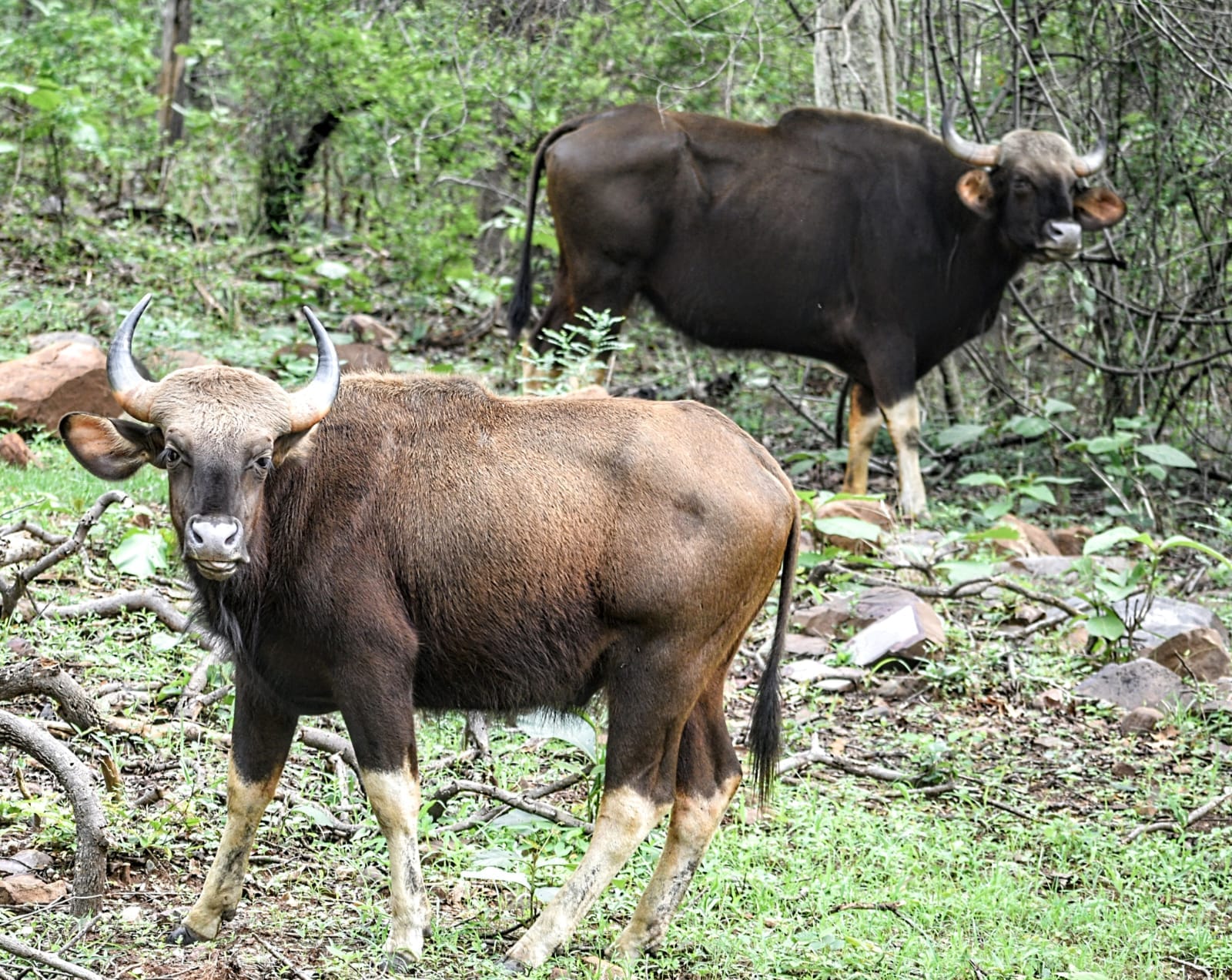
The largest wild bovine on earth — and it knows it
A bull gaur can weigh over 1,000 kilograms and stands nearly two metres at the shoulder. The hump, the white-socked legs, the ridge along his back — there is a prehistoric quality to a gaur that puts you firmly in your place in the animal kingdom.
Even tigers think twice. Adult gaur are essentially tiger-proof. When you see one move slowly across a forest road, utterly unhurried, taking up as much space as it pleases, you are watching an animal that genuinely has nothing to prove.
An Entire Cast.
Most People See.
The Waterhole: Where the Whole Cast Assembles
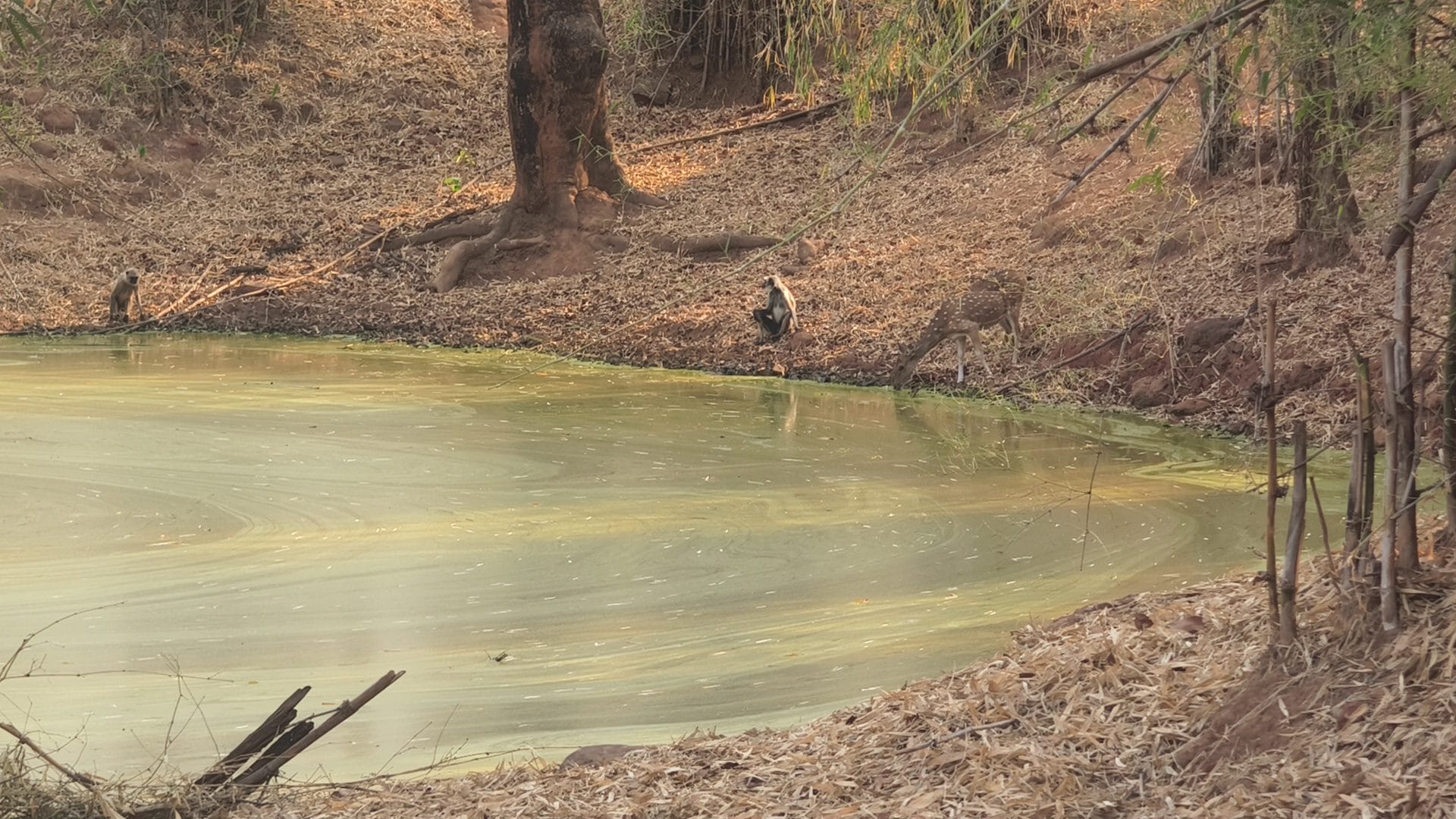
When the temperature hits 44°C in May and the streams have retreated to memory, every animal in the forest has only one option. Water. Chital first — the anxious ones, arriving in numbers, scanning constantly. Then wild boar, snorting and territorial. A lone sambar. Then birds — a kingfisher arrowing in, painted storks landing with the formal gravity of delegates at a conference.
You do not need to see the tiger for a waterhole to change you. The sheer density of life — all of it real, none of it performing for you — is enough.
The Birds: The Part Everyone Misses While Looking Down
Most people on safari look at eye level and below. But the canopy is running an entirely separate show — and half the information about where the tiger is comes from the birds above you.
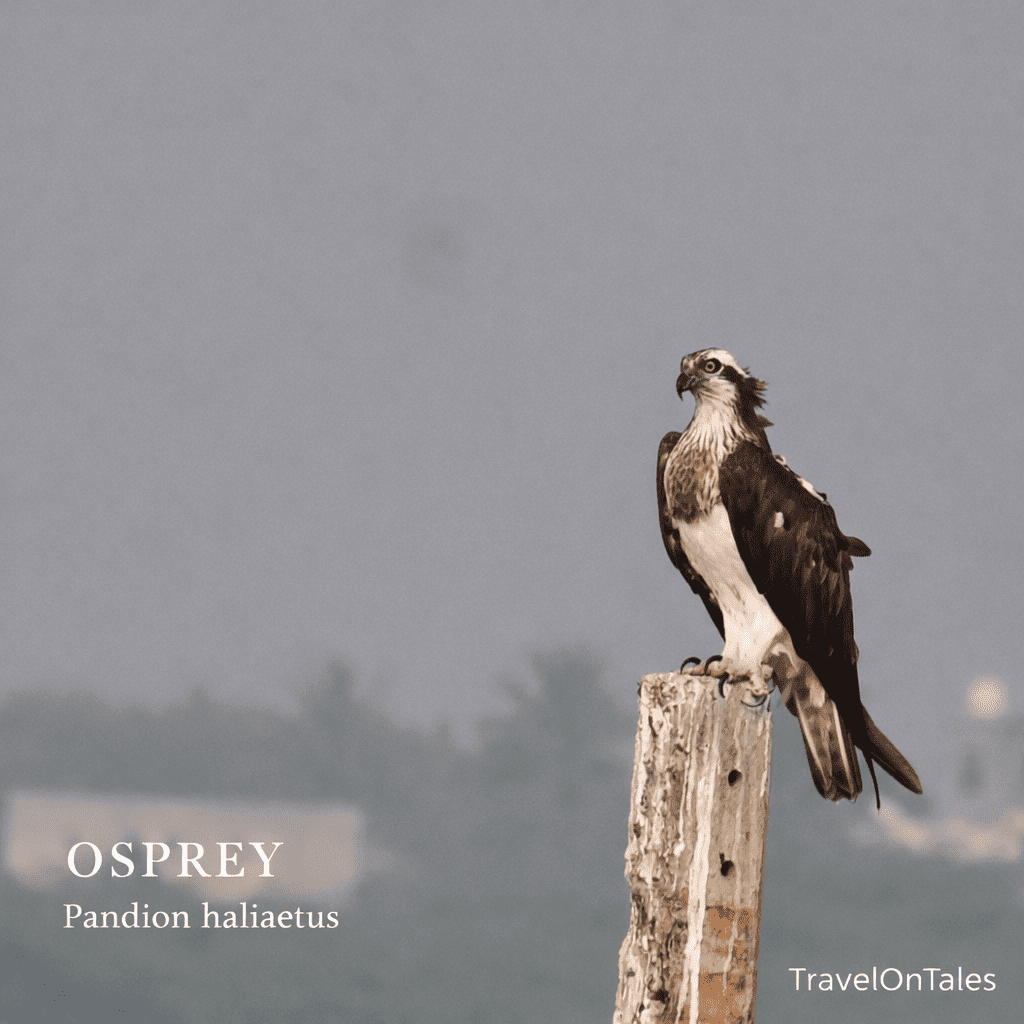
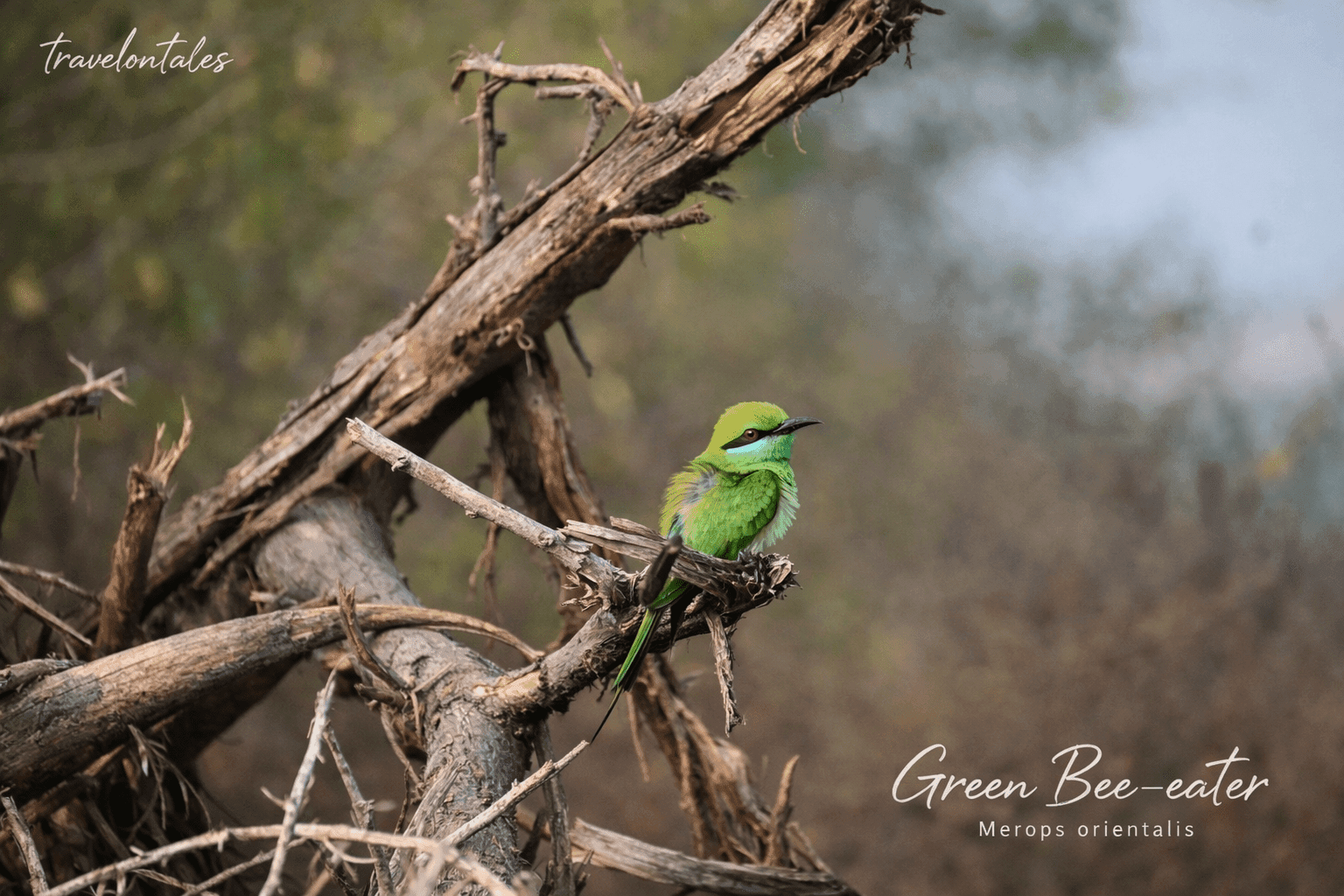
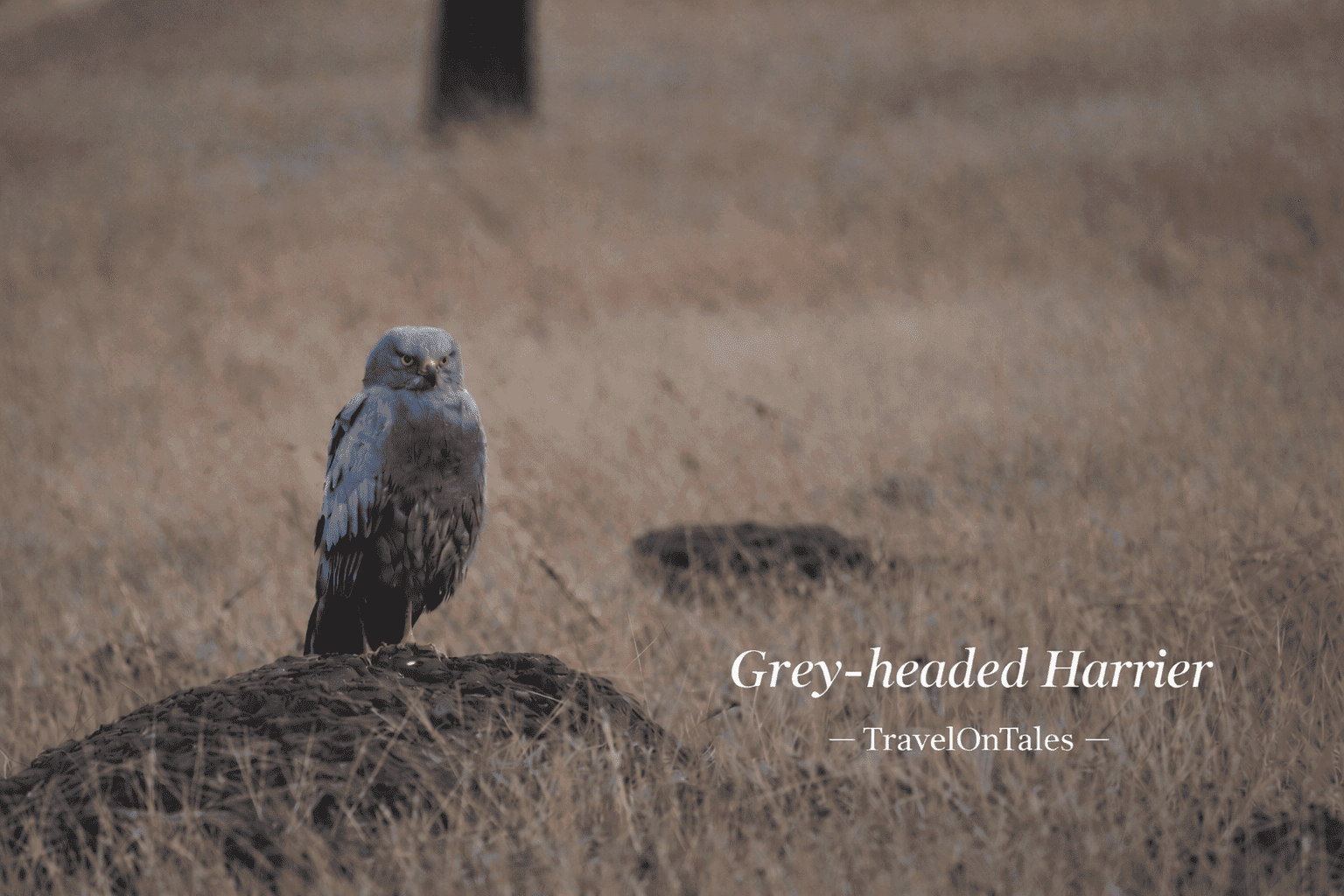
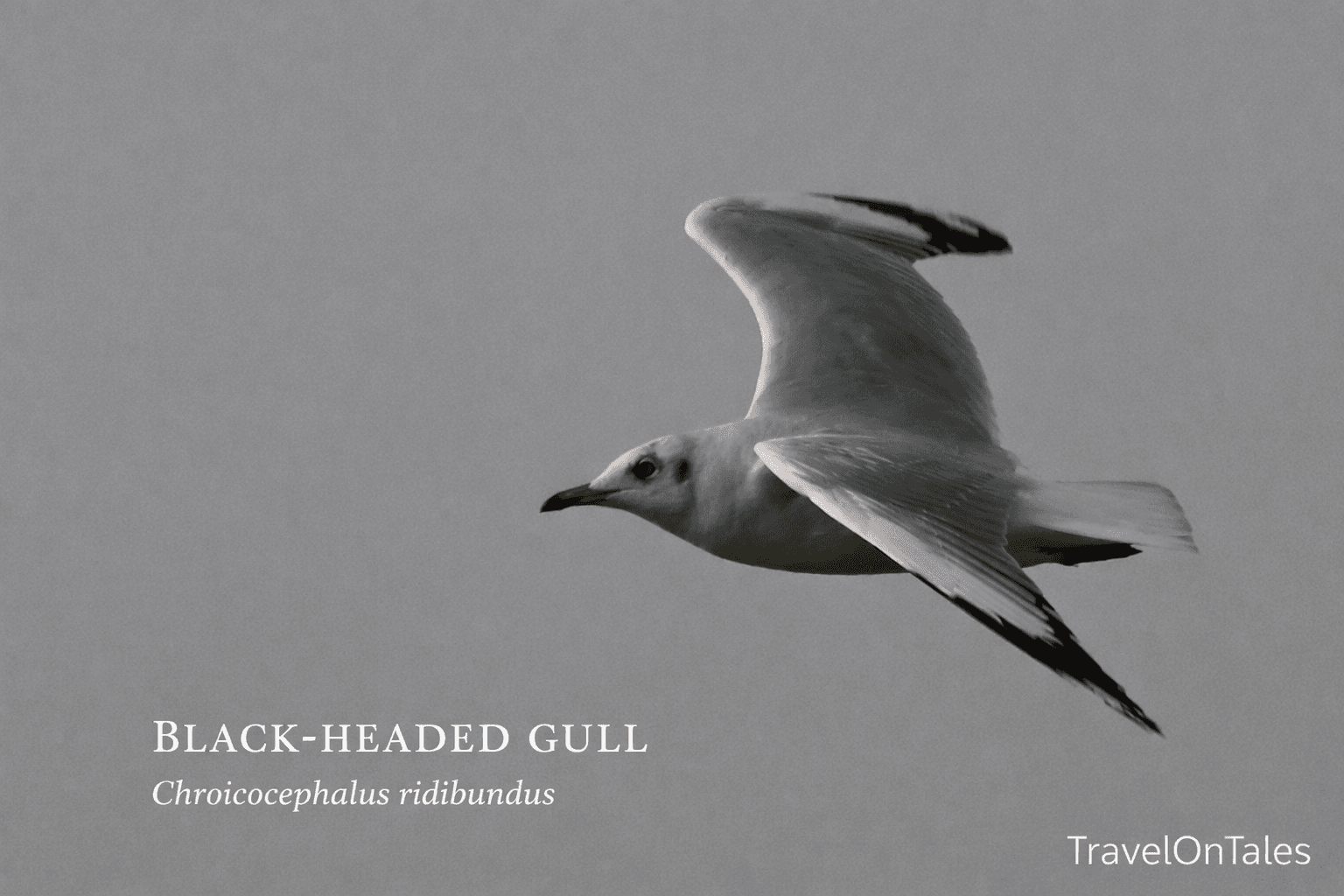
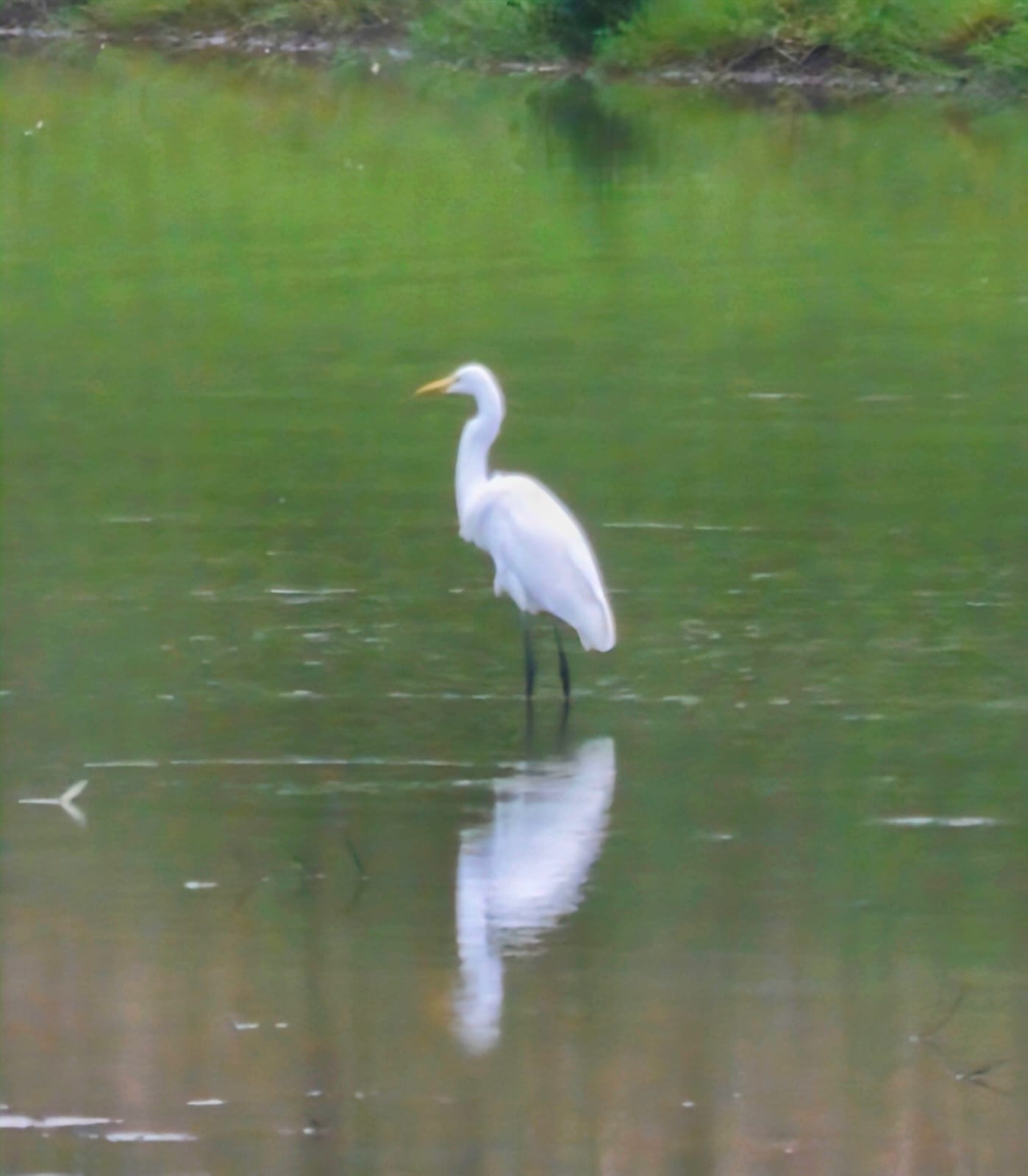
Every forest is also a sky
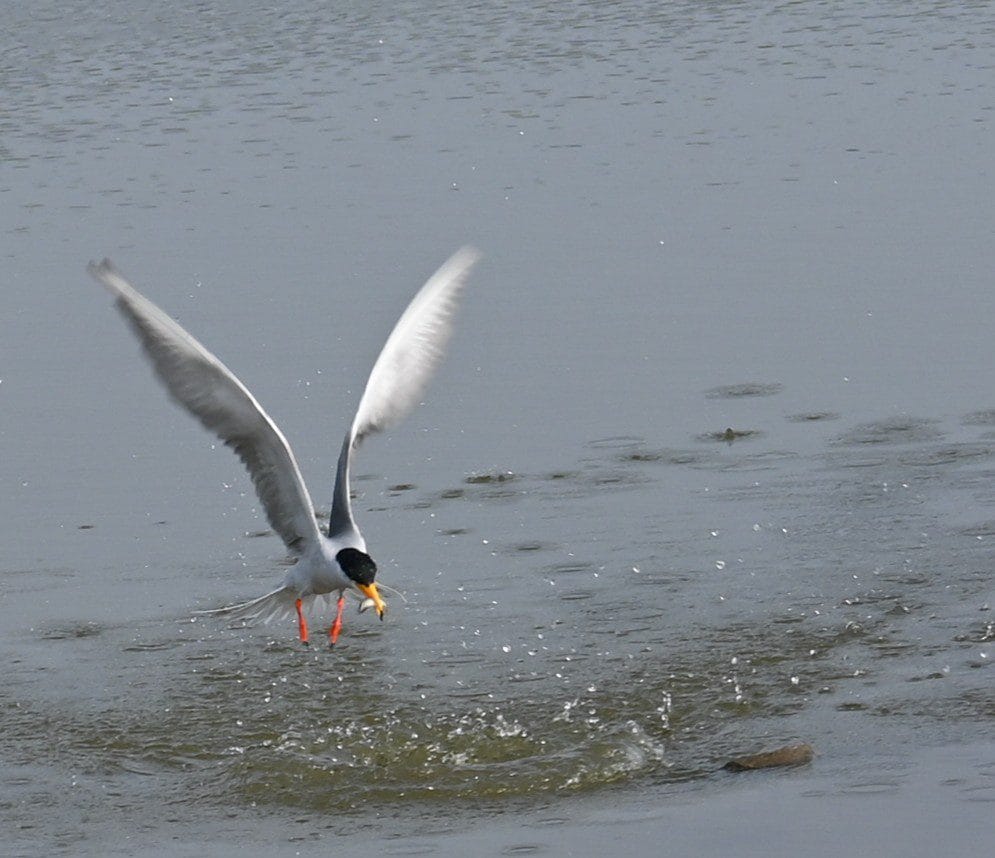
The osprey drops from forty metres and enters the water feet-first. The crested serpent eagle screams once and vanishes into the canopy. The Indian roller — that turquoise flash — banks and lands on a bare branch, tilting its head with what looks like judgment.
You do not need binoculars. You need to look up. A good naturalist will hand you that habit within the first hour, and it will stay with you long after you leave the forest.
The Rare Ones: The Sightings Nobody Puts on Instagram
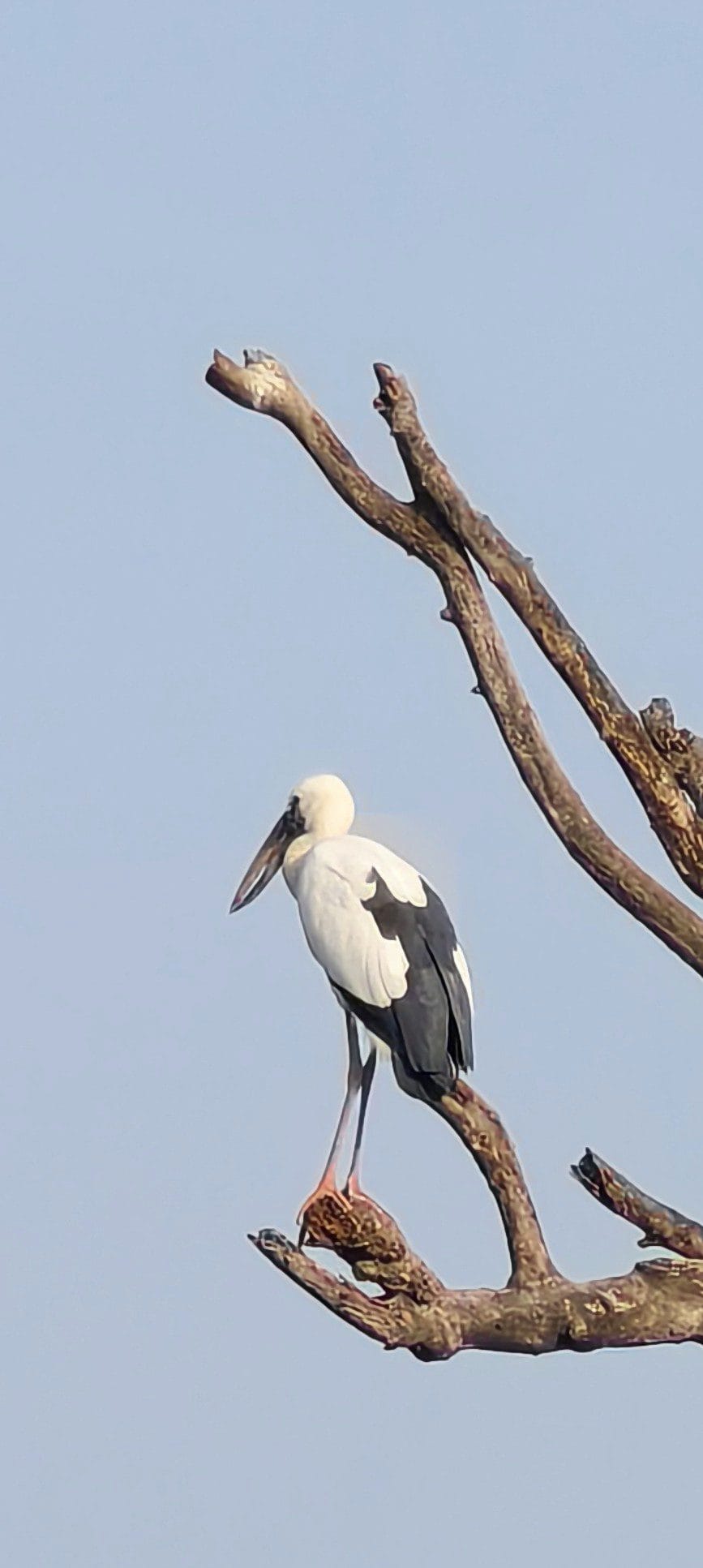
Some animals refuse to be anticipated. They appear on the wrong turn, in the wrong light, for the wrong duration — and they are unforgettable precisely because of it.
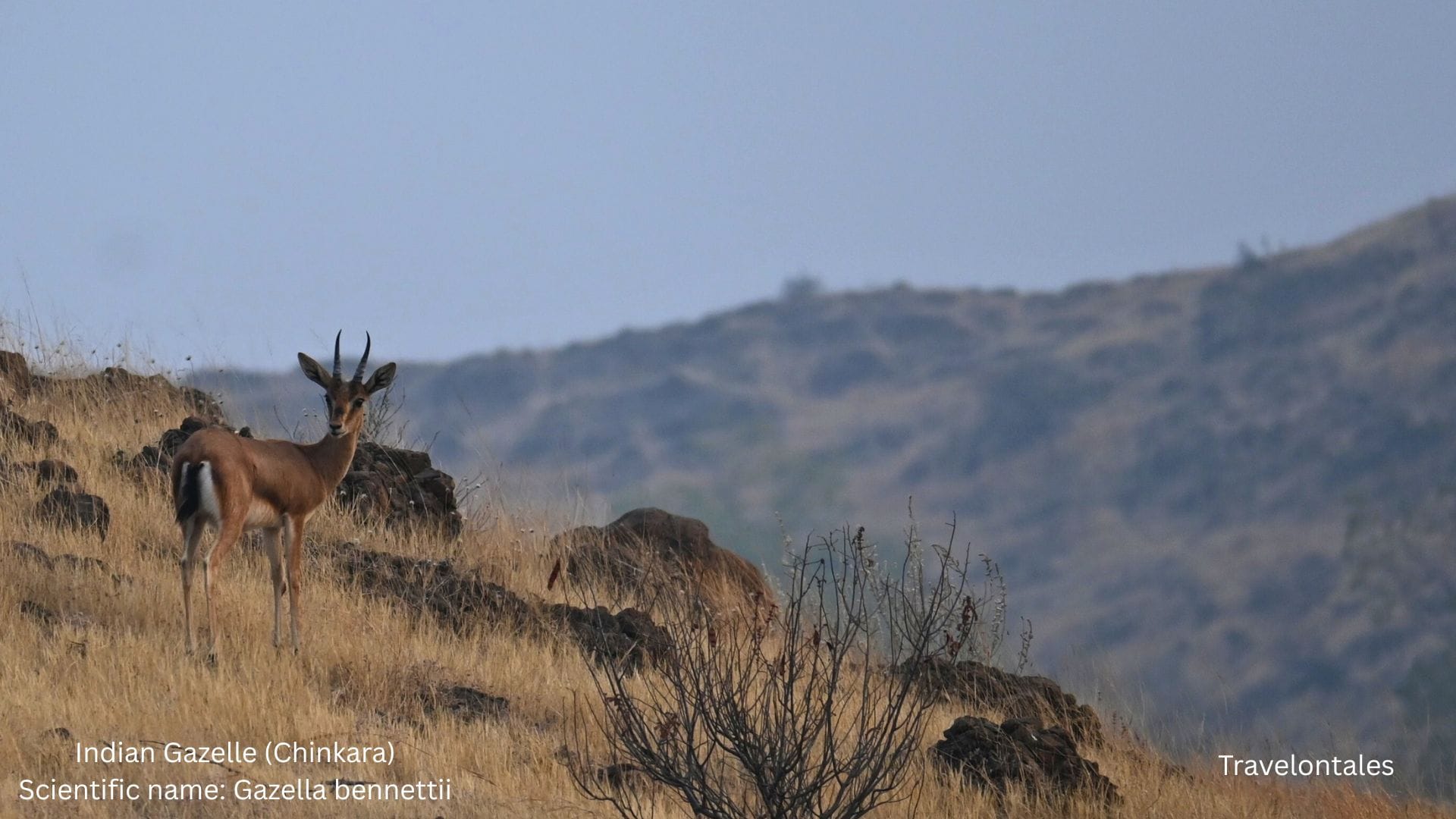
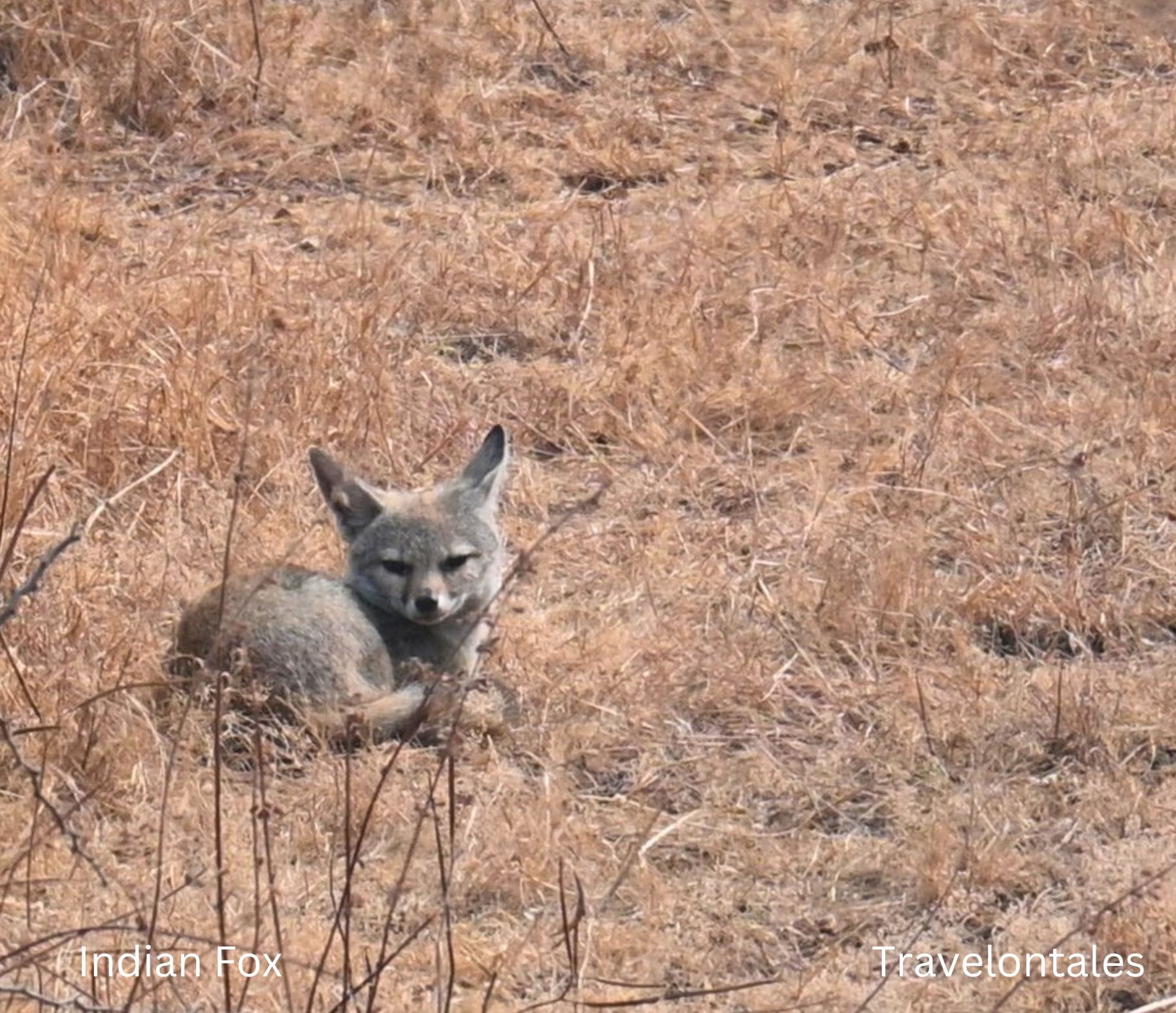

The chinkara stops mid-step and looks back over its shoulder. The fox holds your eye for three full seconds before deciding you are not worth outrunning. These are the photographs that hold something the tiger shot sometimes doesn’t. Intimacy. Surprise. The feeling of being witnessed back. — Field notes, Panna, March 2024
Tadoba, Bandhavgarh, Panna — All Central India
A trained naturalist guide transforms a jeep ride into a masterclass. Morning slots book out weeks ahead in peak season. The afternoon drives give you gold light for photography. Book both if you can.
The Tiger Is Why You Book.
The Jungle Is Why You Return.
I have been on safaris where the tiger appeared within fifteen minutes of entering the gate. I have been on safaris where the whole day went by without a sighting — just forest, birds, deer, and a cold thermos. I have come back from both equally happy.
→ Book Your SafariThe Practical Notes
Everything your booking confirmation won’t tell you.
Best Months
October–March for cool weather. April–May for waterhole drama and peak tiger visibility — hot, but worth it.
Zone Selection
Bandhavgarh: Tala zone. Tadoba: Moharli and Navegaon. Panna: the Ken river circuits for birds and crocodile.
Morning vs Afternoon
Mornings are cooler and more active. Afternoons give you golden light and waterhole gatherings at dusk.
What to Carry
Light layers. Sunscreen. A hat. Camera fully charged. No bright colours — the jungle notices you first.
The Guide Variable
A trained naturalist is the single most important factor. The difference between guided and unguided is the difference between reading a novel and reading its cover.
Permit Booking
Peak season Bandhavgarh Tala permits sell out 30–45 days in advance. Best slots go early — don’t leave it last minute.