
Ask any wildlife photographer when the best light is, and you will hear the same answer. Early in the morning, and late in the afternoon. It is not a secret. But most beginners do not understand why, and so they do not plan for it. This guide explains it in plain words, with places where we have felt it ourselves.
What is golden hour?
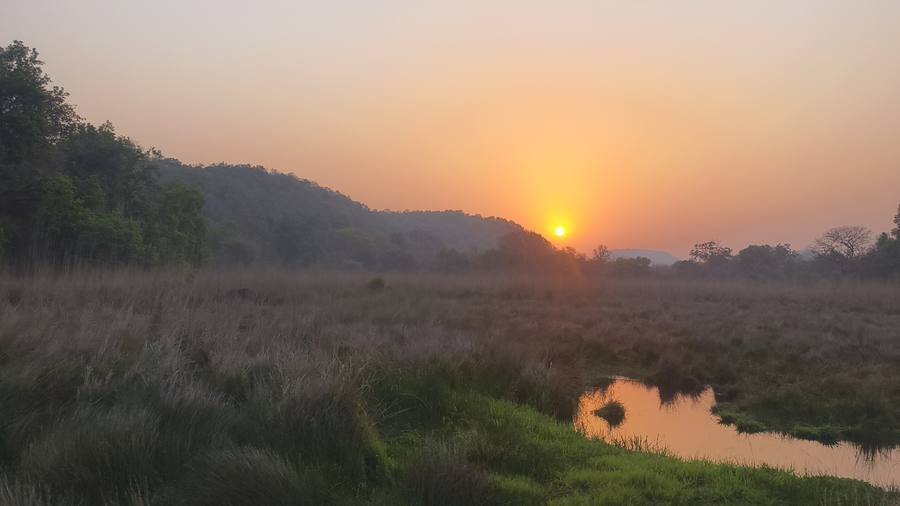
Golden hour is the time soon after sunrise and before sunset, when the sun is low in the sky. The light is soft and warm. Shadows are long and gentle. Colours are rich. At noon, the sun is high, the light is harsh, and the shadows are hard and black.
Why wildlife loves it too
There is a second reason. Animals are more active at these times. In the heat of the day, most rest in the shade. In the cool of morning and evening, they feed, move and drink. That is why safaris start so early. It is good for light and good for animals.
What we have seen at dawn
At Panna, in April, we found that the forest at 5:30 AM is cold, still and dark under the teak. Then the light comes, and for about forty minutes, everything in the forest turns amber and gold. The spotted deer glow. The tree bark catches fire. And somewhere in that light, a tiger is moving.
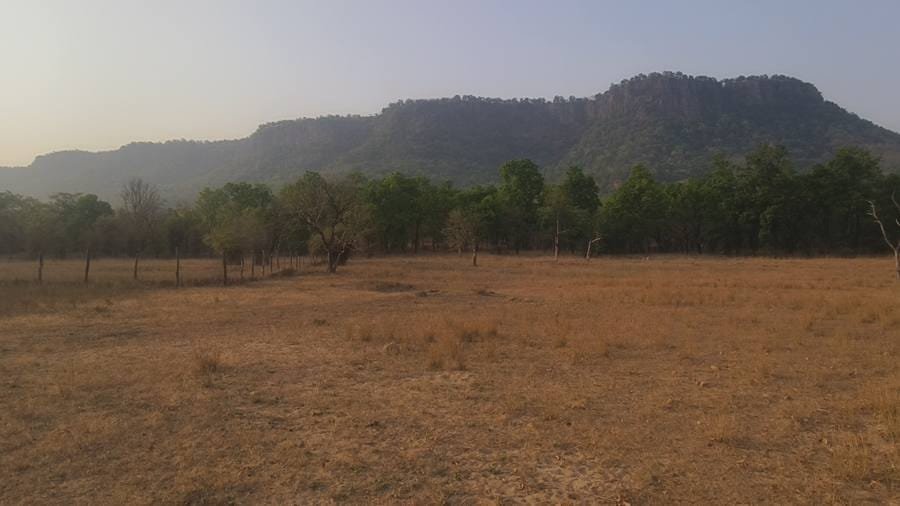
At Bandhavgarh, the best light and the best tiger hour are often the same hour. The first 90 minutes after the gate opens, roughly 6 to 7:30 AM, give the best light and the most animal movement.
How to use golden hour
- Be at the gate early. You lose the best light if you arrive late.
- Keep the sun behind you. It lights the face of the animal and brings out the colour.
- Try side light. Light from the side shows texture, such as feathers and fur.
- Try back light. With the sun behind the animal, the edges glow. But expose carefully, so the animal does not turn into a dark shape.
- Watch the sky. A pale sky behind a dark animal can fool the camera. Raise your exposure a little.
- Stay for the last light. Evening can be as good as morning.
What about the rest of the day?
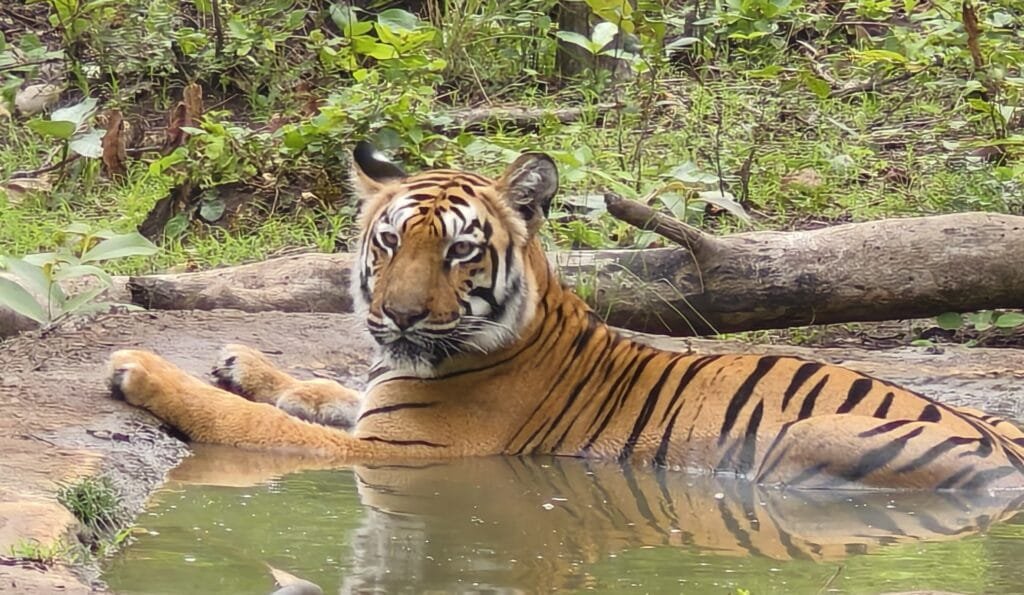
Midday light is harsh. But you can still take good pictures. Look for shade. Use clouds. Photograph animals in water, where reflected light softens shadows. Or use the hours to rest, back up your pictures and plan. Most good photographers do not shoot all day.
Cloudy days are not bad
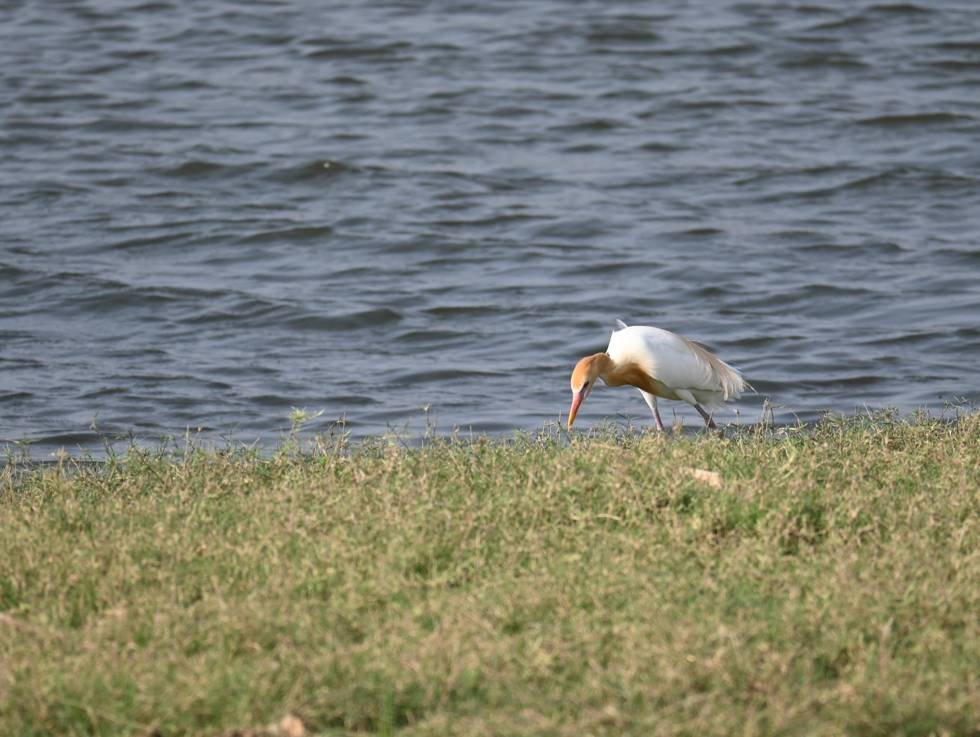
Overcast skies make the light even and soft all day. Colours stay rich and shadows stay gentle. A cloudy morning is a good morning for birds.
A few settings for low light
- Raise your ISO. Auto ISO is the easiest way.
- Keep your shutter speed fast. Do not let it drop below what you need.
- Use a wide aperture when the light is low.
- Do not use flash.
Planning a trip around the light
Choose your park and season first. Then plan to be at the gate for the first light. For timings, read Bandhavgarh Safari Zones and Timings and Best Time to Visit Tadoba. For settings, see Tiger Photography in India and Wildlife Photography for Beginners.
Questions people ask
What is the best time of day for wildlife photography?
Early morning and late afternoon, when the light is soft and the animals are active.
Is cloudy weather good for wildlife photography?
Yes. Overcast skies give even light and rich colour.
Why do safaris start so early?
Because the light is best and animals are most active in the first hours.
How long does golden hour last?
Not long. At Panna, we noticed the amber light lasts about forty minutes, and the very best of it is much shorter.