
A wildlife photography tour can be the best way to see India’s parks. Or it can be an expensive way to sit in a crowded jeep. The difference is in the details. This guide is not a list of tour companies. It is a checklist of what to ask before you pay, based on our own safaris in Panna, Bandhavgarh, Tadoba, Jawai and Bhigwan.
What we have learned from our own trips
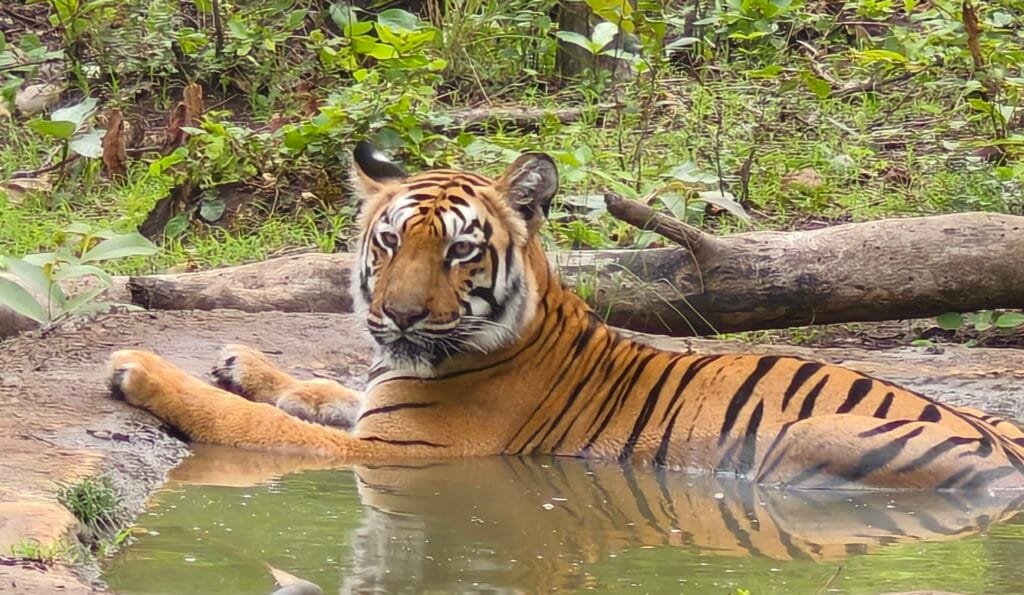
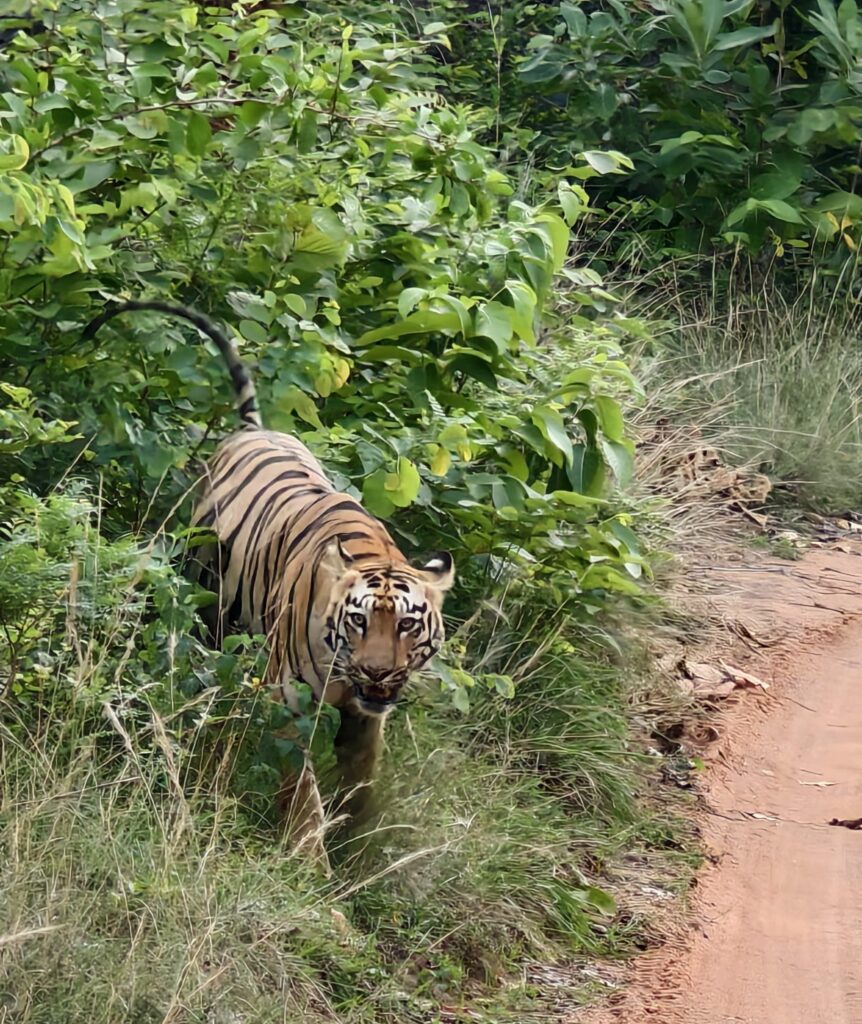
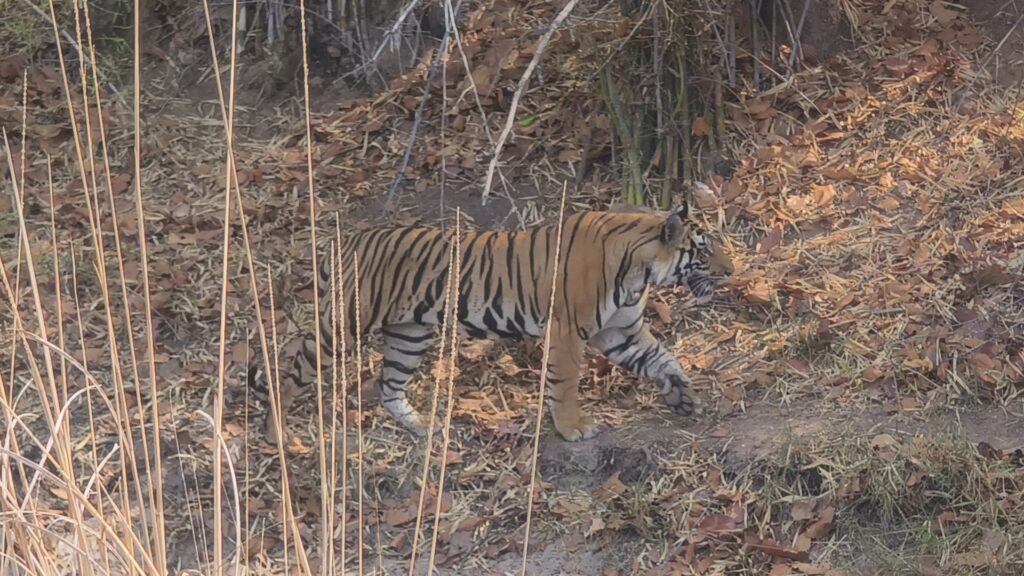
We visited Panna in April 2024, Bandhavgarh in April 2025 and Tadoba in June 2025. We saw tigers at all three. At Bandhavgarh, we had good sightings on three out of four safaris, and on one of them a tigress walked beside our jeep for more than 40 minutes. At Tadoba, a tiger sat down about six metres from our vehicle and did not even look at us.
But I will be honest. Many drives showed us nothing at all, or a patch of orange in thick bushes. That is how it is. A tour cannot change that. What a good tour can do is give you more drives, better places and a guide who reads the forest. That is what you are paying for.
What is a wildlife photography tour?
It is a guided trip, usually for several days, planned around photography. That means early starts, the right zones, guides who know where animals are, and enough time to wait at a good spot. Some tours are run by naturalists. Some by photographers. Some by lodges. A normal safari package is not the same thing.
Ten questions to ask before you book
- How many people share the jeep? Photographers need room. A jeep full of tourists is hard to shoot from.
- Which zones, and how many safaris? More safaris in the right zone beat a long list of parks.
- Who is the guide? A guide who understands animal behaviour, and photographers, is worth more than any lodge.
- Is a photographer leading the tour? Someone who can tell you where to sit and what settings to use helps a lot.
- What is the pace? Early mornings and late afternoons, with rest in the middle. Avoid trips that cram parks into days.
- What is included? Permits, jeep, guide, meals, transfers. Ask what is not included.
- When does it run? Match the season to what you want. See the best time to visit Bandhavgarh and the best time to visit Tadoba.
- What is the cancellation policy? Park permits are strict. Ask what happens if a zone closes.
- What do they say about ethics? If a tour promises tigers or pushes the driver to crowd animals, walk away.
- Can you see recent photos from the same trip? Real, recent work tells you more than a brochure.
Choosing the place
| Place | Best known for | Season to aim for |
|---|---|---|
| Tadoba | Relaxed tigers, lakes and waterholes, and a long bird list | March to June for tigers, October to February for easier weather |
| Bandhavgarh | High tiger density in Tala, plus gaur, elephants and birds | March to June for tigers, October to February for comfort and birds |
| Panna | A quieter reserve with dramatic land and a recovering tiger population | Check park dates before you book |
| Jawai | Leopards on granite hills and more than 100 bird species | October to March for migratory birds |
| Bhigwan | Wetland and grassland birds, and winter visitors | October to March |
If you cannot choose, read Tadoba, Bandhavgarh and Panna: which first?. We have also written separate guides to a Tadoba tiger photography tour and to Bandhavgarh zones and timings.
Group tour or private?
- Group tour. It costs less per person and you meet other photographers. But you share the jeep, so you may have less room and less say over where to stop.
- Private tour. More control and more room. It usually costs more. This is a good choice if you want to stay long at one waterhole.
- On your own. The cheapest and most flexible. You book permits and a jeep early, and you depend on the park guide.
What a good guide does
- Listens for alarm calls from langurs, deer, peafowl and lapwings, and stops the jeep.
- Knows which waterhole is active this week.
- Keeps the jeep still, and the engine off, when you are photographing.
- Does not crowd or chase the animal.
- Tells you honestly when a sighting is not worth waiting for.
I wrote about reading alarm calls in Tiger Photography in India.
What to pack
- A long lens and a body that can track focus
- A bean bag to rest the camera on the jeep rail
- Spare batteries and memory cards. Cold mornings drain batteries
- Dull clothing, a hat, sunscreen and water
- Binoculars. Seeing the animal first gives you time to get ready
For settings, read Tiger Photography in India and Bird Photography for Beginners.
Red flags
- Anyone who guarantees a sighting. Nobody can promise a tiger.
- Many people per jeep, with “photography” in the title.
- No details about zones, guides or permits.
- Pressure to chase or crowd the animals.
- A price far below everyone else, with no explanation.
Tour, or go on your own?
Going on your own gives you control and often costs less. But you need to book permits and a vehicle early, and you depend on the park guide. A good tour saves you time and puts you with people who know the place. If it is your first visit to a park, the guide matters more than anything else.
My simple advice
Choose the place first, then the season, then the guide. Give yourself at least two nights at each park. Do not expect to see a tiger on the first drive. And remember that a good photograph is not only about the animal. It is about the light, the place and the patience.
Questions people ask
What is the best wildlife photography tour in India?
It depends on what you want. For tigers, Tadoba and Bandhavgarh. For leopards and birds, Jawai. For wetland birds, Bhigwan.
Do I need a photographer-led tour?
No, but it helps if you are new. A leader can tell you where to sit and what to shoot.
How many safaris should a tour include?
Several. Tigers are never guaranteed, so more drives in a good zone improve your chances.
When should I book?
Early for the busy months. Tala slots at Bandhavgarh in April and May fill weeks in advance.
Related: Best Time to Visit Tadoba Tiger Reserve
Related: Bandhavgarh Safari Zones and Timings Explained
Related: Jungle Safari Rules in India
Related: What to Wear and Pack for a Jungle Safari in India
Related: Your First Tiger Safari in India: What to Really Expect
Related: Wildlife Photography for Beginners
Related: Golden Hour Wildlife Photography