
A bird photography tour is a trip built around birds. The right wetland at the right season. Early starts. And enough time to wait for the bird to do something worth photographing. India has some of the best birdwatching in Asia, and several places we have photographed work as short trips from a big city.
This guide covers where to go, how a normal day goes, a sample three-day plan, what to carry, and how to choose a tour that suits you. I am not selling a tour here. I want you to know what a good one looks like.
Where to go
Bhigwan, Maharashtra
Wetlands, grass and rocky scrub along the Ujani backwaters. We have photographed 39 species here. Painted storks stand in the shallows. In winter, ruddy shelducks arrive from Central Asia, and the male Montagu’s harrier glides low over the grass. The best season is October to March, and guided day trips run from Pune. See Birds of Bhigwan and Bhigwan Bird Sanctuary: Best Time to Visit.
Jawai, Rajasthan
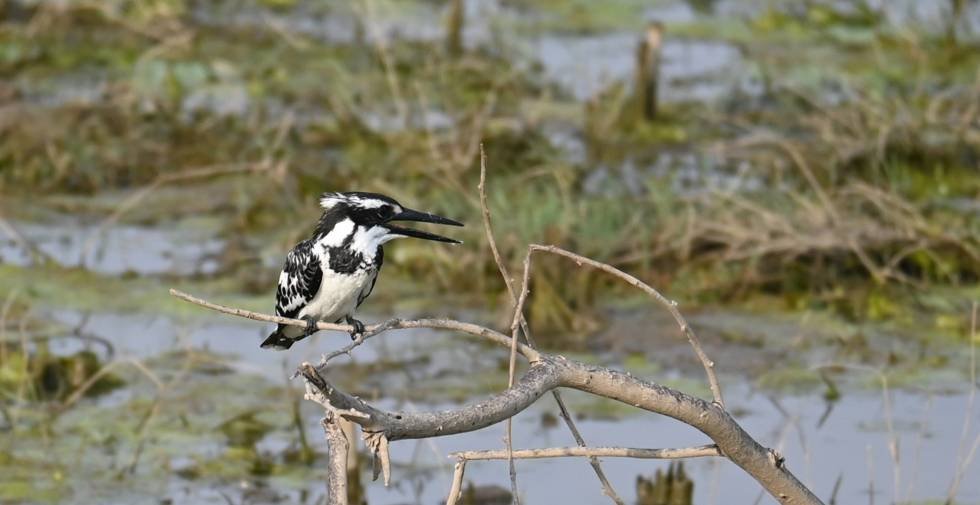
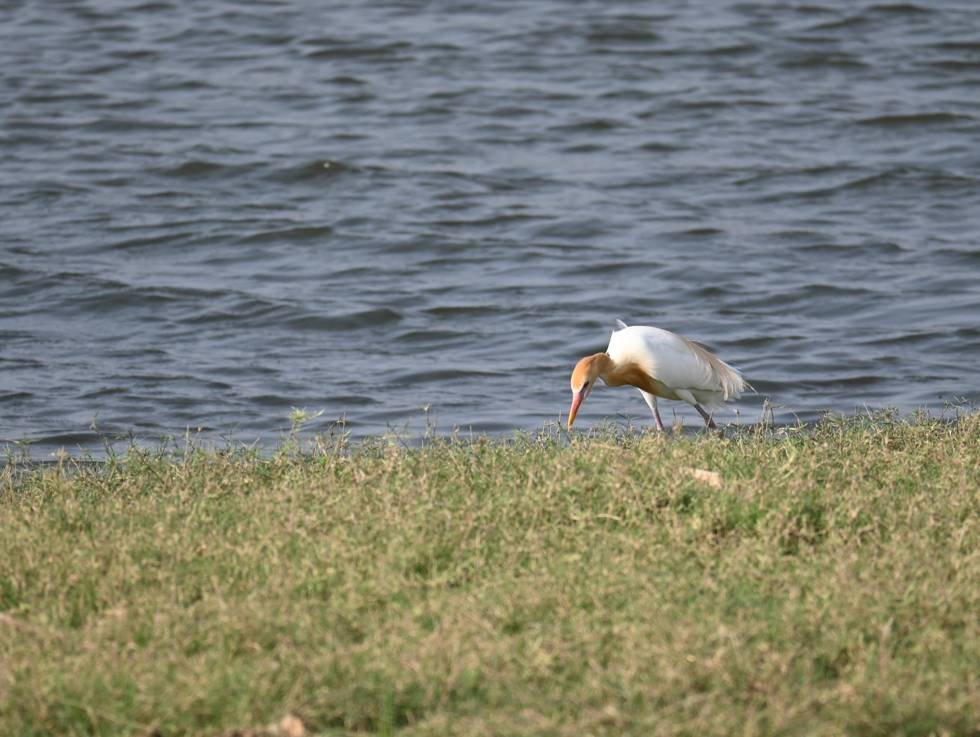
Dry scrub, granite hills and a big dam. More than 100 bird species can be seen here through the year. We photographed peafowl on the rocks, oriental darters drying their wings, pied kingfishers, cattle egrets, ibises and lapwings. October to March is the best time for migratory birds. Go out between 6 and 9 AM, or from 4 PM to sunset. See birdwatching at Jawai.
Tadoba, Maharashtra
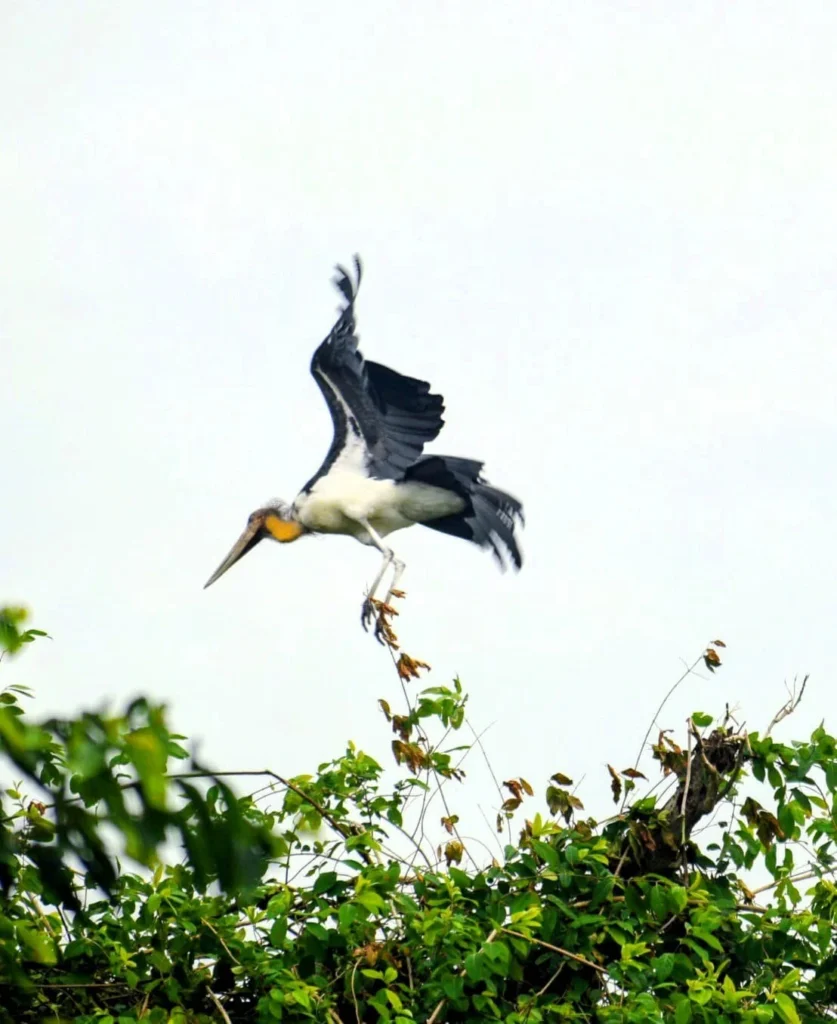
Lakes, bamboo forest and grass support more than 280 bird species. The lesser adjutant stork and the Asian openbill are regular sights. In the breeding season, the openbills nest in big colonies in tall trees. See Birds of Tadoba.
Sindhudurg, Maharashtra (monsoon)
The Western Ghats and the Konkan in the rains. The Oriental dwarf kingfisher arrives with the rain in June and leaves by September. That is why photographers go in the monsoon. Expect shade, mud and quick birds. See Birds of Sindhudurg.
Bandhavgarh, Madhya Pradesh
A tiger park with more than 250 bird species. Lapwings, storks and peafowl are easy to find between tiger sightings. See Bird Watching at Bandhavgarh.
A normal day on a bird tour
- Before sunrise. Leave early so you are at the water as the light comes up.
- First light to mid-morning. The best hours. Birds are active and the light is soft.
- Midday. Rest, back up your photos and eat. The sun is harsh and the birds rest too.
- Late afternoon. Go back to the water or the grass for soft light again.
- Evening. Look at your pictures and plan the next morning.
A sample three-day plan (Bhigwan)
This is only an example of how a good plan can look. Every trip is different.
| Day | Plan |
|---|---|
| Day 1 | Reach early. Walk the water’s edge and the grassland. Look for waders and the first winter visitors. Learn the common birds. Rest at noon. Go back in the evening light. |
| Day 2 | Go to the grassland at first light for raptors. Spend the late morning at the water with storks and ducks. Check rocky areas in the afternoon for owls. |
| Day 3 | Return to the best spot from the first two days. Birds are different every day, so a third visit often gives the best picture. |
What you need
- A long lens. Birds are small and shy.
- A camera that tracks focus well.
- Binoculars. They help you find the bird before you photograph it.
- A bean bag or a monopod.
- Dull clothes, a hat and water.
If you are new to this, start with Bird Photography for Beginners.
How to choose a bird photography tour
- Ask about group size. Small groups scare fewer birds.
- Ask who the guide is. A guide who knows birds by their calls finds twice as many.
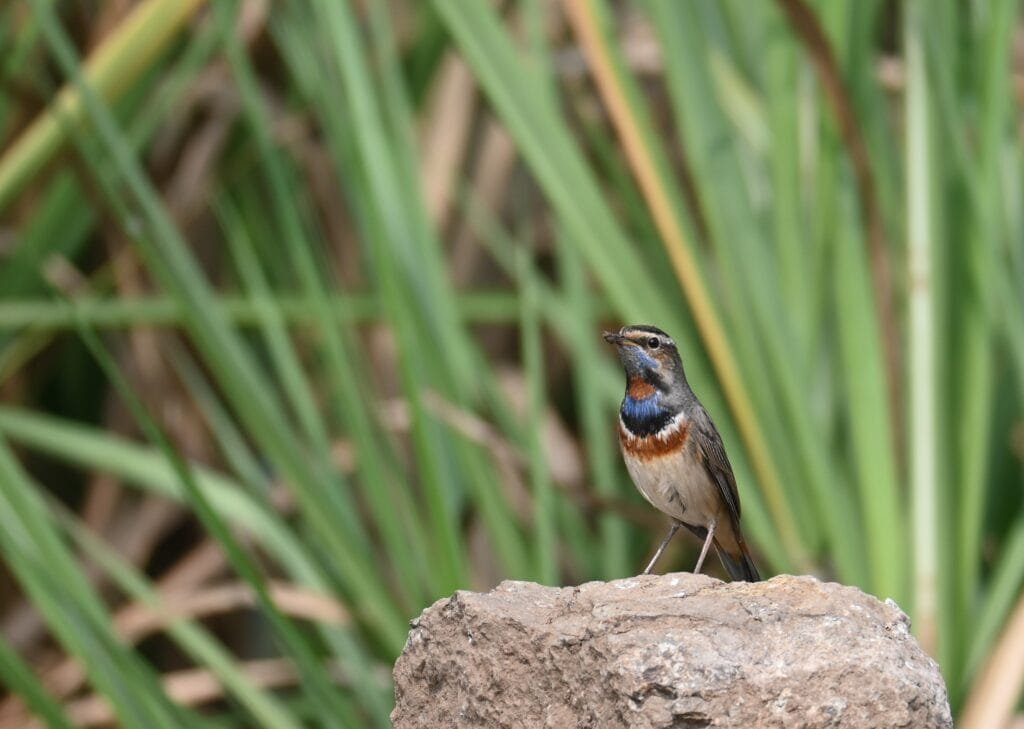
- Ask about the season. A bluethroat in July is not going to happen.
- Ask how much time you get at each spot. Good photos need time. Be careful of tours that pack many places into a few days.
- Ask about ethics. No recorded calls, no nest visits and no flash. If they say yes to any of those, look elsewhere.
Our full checklist is in Wildlife Photography Tours in India.
Questions people ask
What is the best place for bird photography in India?
It depends on the season. Bhigwan and Jawai are strong from October to March. Sindhudurg suits the monsoon.
When is the best time for a bird photography tour?
October to March for most wetlands. June to September for monsoon specialists in the Western Ghats.
Do I need an expensive camera?
No. A long lens matters more than a new camera body.
How long should a tour be?
Two to three days is enough for one place. Give yourself several mornings, because birds are different every day.
Related: Bhigwan Bird Sanctuary: Best Time to Visit
Related: Bird in Flight Photography: Simple Tips for Sharp Pictures