
Birdwatching in India changes with the seasons. In winter the wetlands fill up with visitors from far away. In the monsoon, forest birds call from every tree in the Western Ghats. In summer, everything moves toward water. If you know the season, you know where to go.
This is a simple guide to where to go and when, based on places we have photographed ourselves. For each place, I have also written what you can really expect to see.
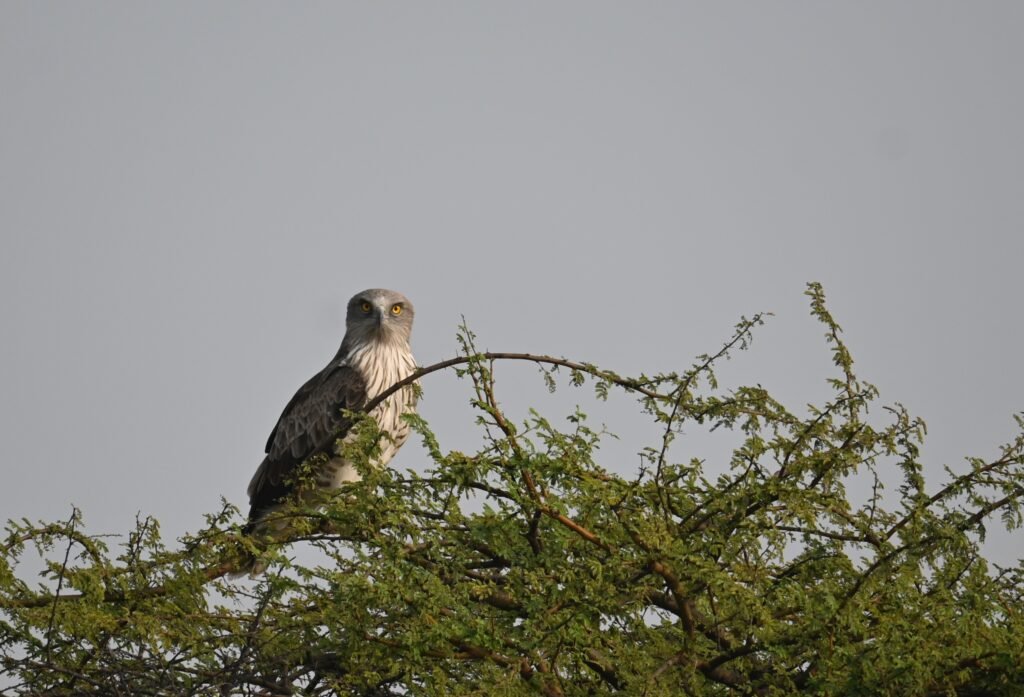
The seasons at a glance
| Season | Where to go | What to look for |
|---|---|---|
| October to March | Bhigwan, Jawai, Tadoba | Winter visitors, waders, raptors and storks. The bluethroat and Montagu’s harrier at Bhigwan |
| March to June | Tadoba, Bandhavgarh | Birds at waterholes, along with the big animals. It is hot, so go early |
| June to September | Sindhudurg (Western Ghats) | Monsoon specialists, such as the Oriental dwarf kingfisher and the Indian pitta |
Winter: the wetlands (October to March)
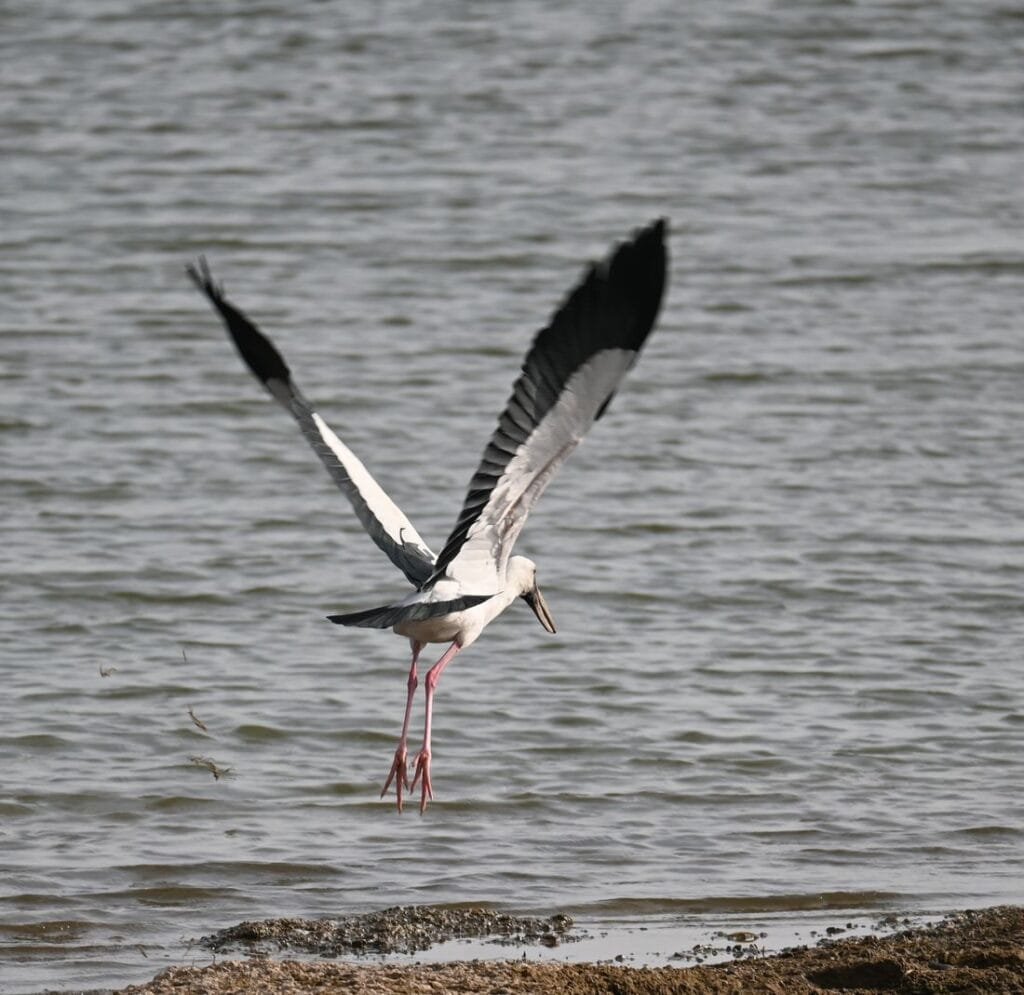
Bhigwan, Maharashtra
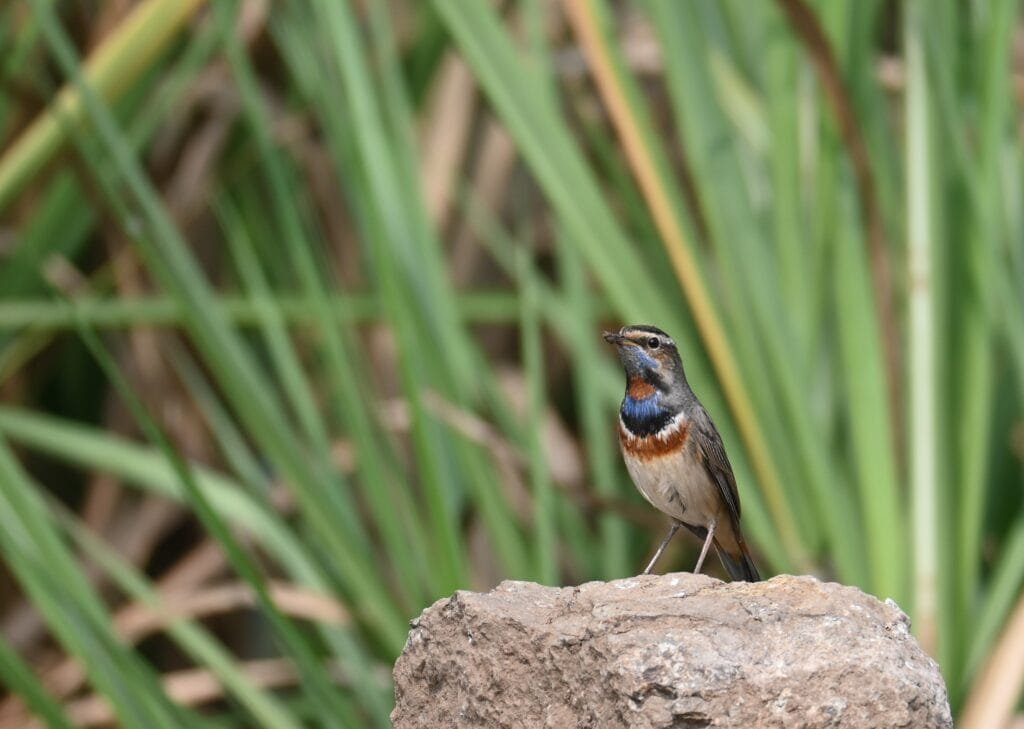
Bhigwan sits on the Ujani backwaters, with wetland, grass and rocky scrub all around. We have photographed 39 species here. The painted stork is one of its best known birds. In winter the ruddy shelduck arrives from Central Asia, the northern shoveler floats on the water, and the male Montagu’s harrier glides low over the grass. The bluethroat hops about in the reeds. See Bhigwan Bird Sanctuary: Best Time to Visit and Birds of Bhigwan.
Jawai, Rajasthan
Jawai is famous for leopards on granite hills. But the dam, the scrub and the rocks are also full of birds. More than 100 species can be seen here through the year. These are the ones we photographed:
- Indian peafowl, on the granite rocks
- Oriental darter, also called the snakebird, drying its wings in the sun
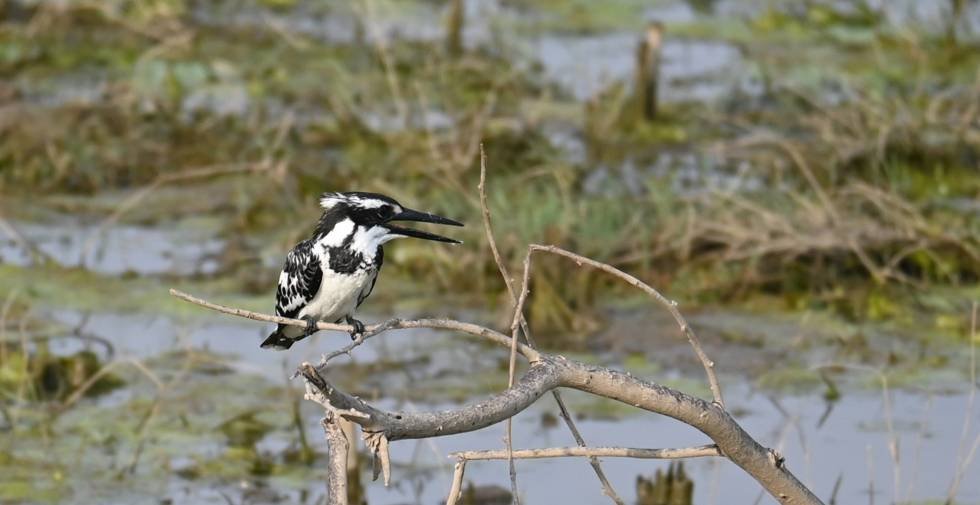
- Pied kingfisher, a master fisher that hovers over the wetland
- Cattle egret, golden in the breeding season
- Black-headed ibis and red-naped ibis, wading in the shallows
- Red-vented bulbul and large grey babbler, in the thorny scrub
- Red-wattled lapwing, the watchful ground bird with a loud alarm call
The best hours are 6 to 9 AM and 4 PM to sunset. Wear khaki or olive clothes so you blend in. See birdwatching at Jawai.
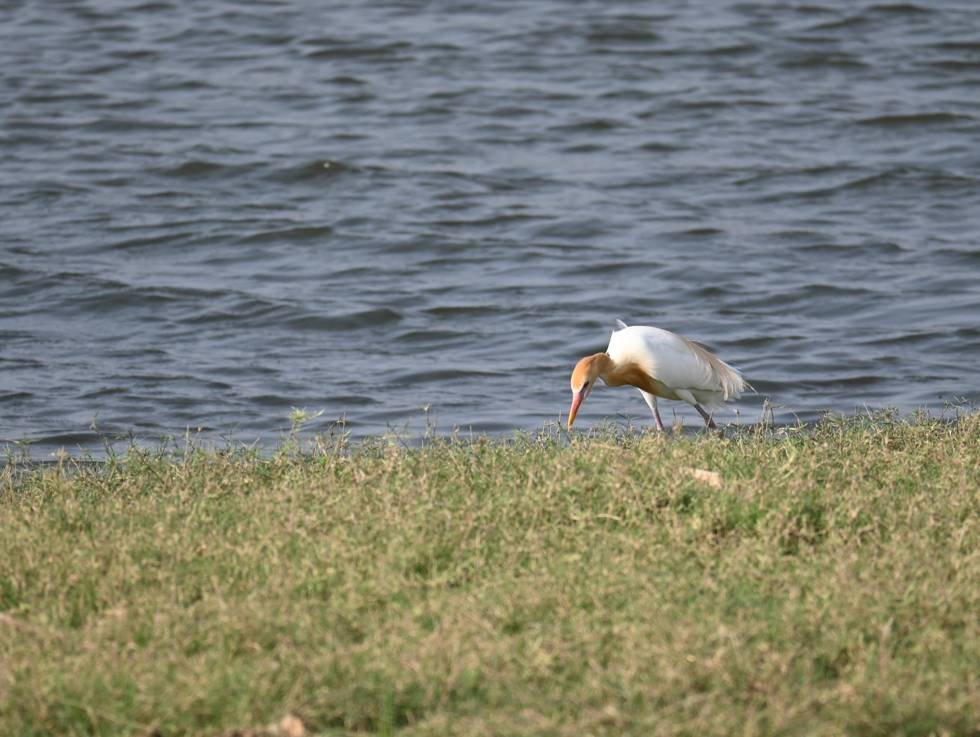
Summer: waterholes in tiger country (March to June)
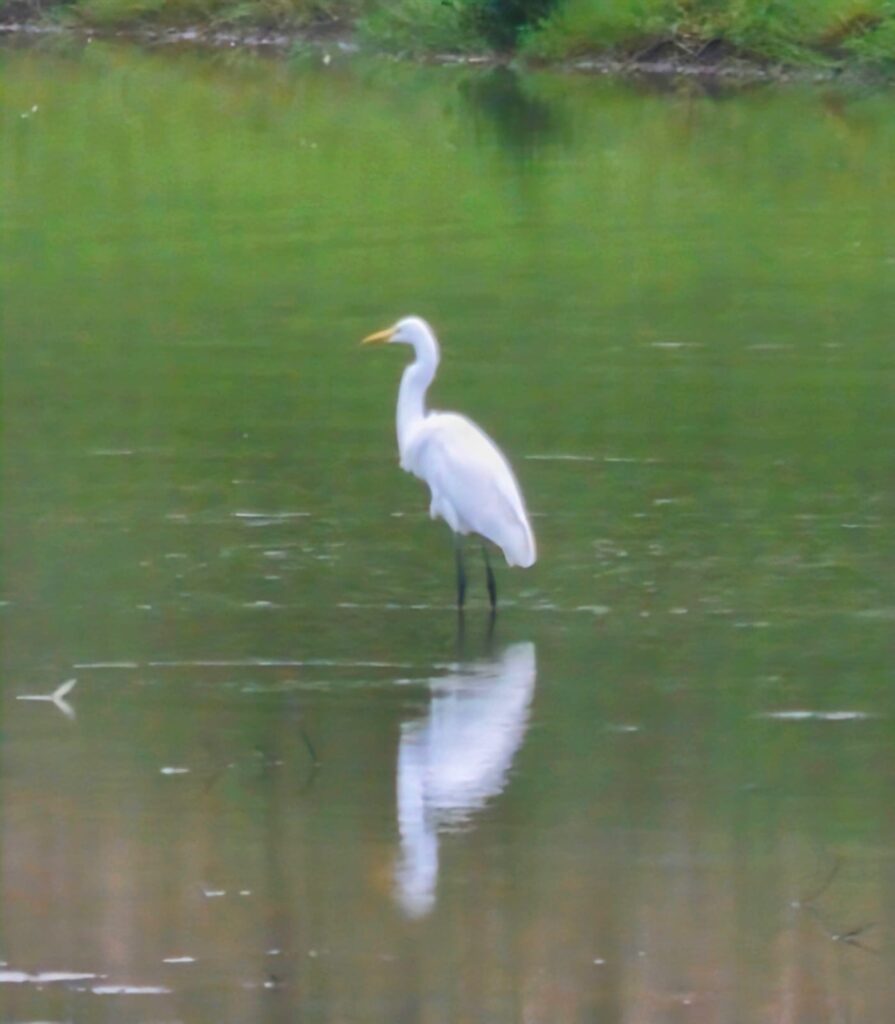
In the dry months, forest parks bring life to a few waterholes. Tadoba supports more than 280 bird species. Here are some you may see:
- Lesser adjutant stork. One of the biggest storks in India, with a wingspan of nearly 2.5 metres. It is listed as Vulnerable.
- Asian openbill stork. Its bill has a gap even when it is closed. It helps the bird pull snails out of their shells. In the breeding season, hundreds of them may nest in one tall tree.
- Changeable hawk-eagle. A powerful forest raptor. Its name is because its colours change from bird to bird.
- Great egret. Tall and white, and patient. It stands perfectly still, then catches fish with a very quick strike.
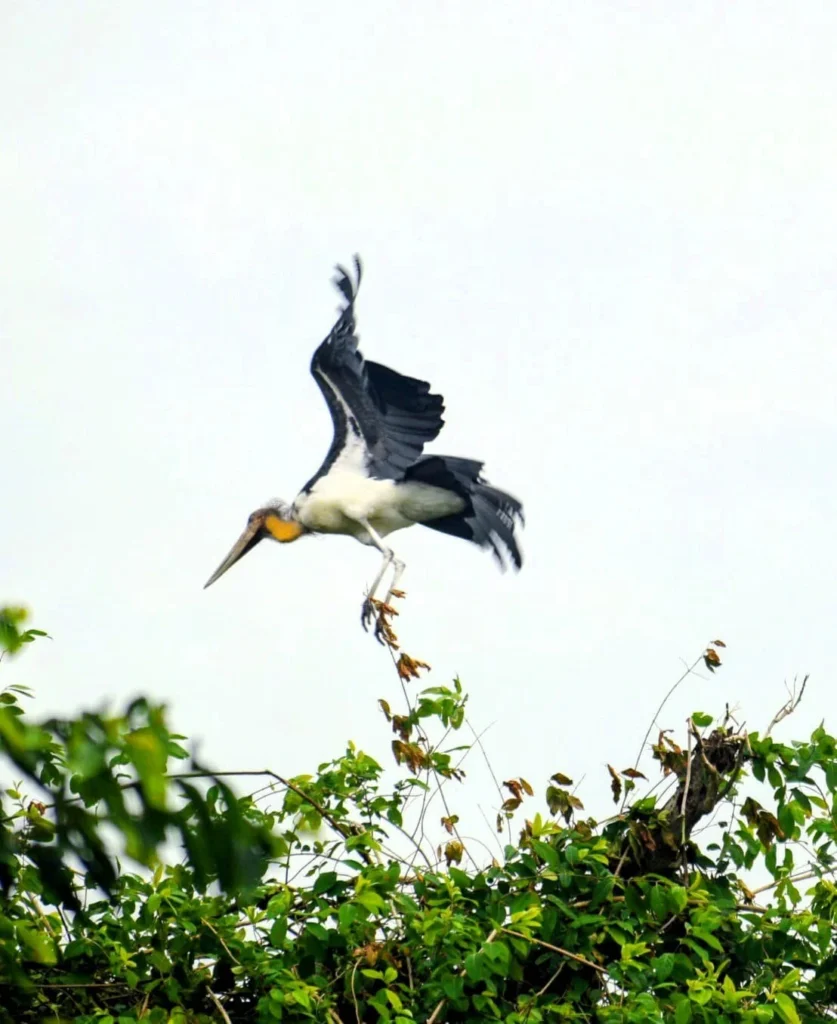
At Bandhavgarh, the same drives that find tigers pass lapwings, storks and peafowl. See Birds of Tadoba and Bird Watching at Bandhavgarh.
Monsoon: the Western Ghats (June to September)
Very few people go birdwatching in the rains. That is a mistake. In Sindhudurg, in the Konkan, the forest is full of life, and some birds come only in these months. We found twenty birds in one monsoon week.
- Oriental dwarf kingfisher. A thumb-sized bird in orange, lilac and blue. It arrives with the rain in June and leaves by September. It hunts insects and small geckos on the forest floor more than it fishes.
- Blue-eared kingfisher. A shy forest cousin of the common kingfisher. A quick way to tell them apart is the cheek. This one has a blue ear patch. The common kingfisher’s is orange.
- Indian pitta. In Marathi it is called Navrang, which means nine colours. It is painted like a parrot, but hides in the leaf litter. Learn its two-note whistle and you will find it.
- Malabar grey hornbill. Found only in the Western Ghats. The female seals herself inside a tree hole with mud, and the male feeds her through a narrow slit.
- Brown wood owl. A big owl that sits against a tree trunk all day and looks just like bark.
See the full list in Birds of Sindhudurg.
Tips for birdwatching in India
- Go early. The first two hours are the best.
- Listen. You will hear most birds before you see them.
- Carry binoculars. Find the bird first, then lift the camera.
- Learn a few common birds well. Egrets, lapwings and kingfishers teach you how birds behave.
- Ask where the bird lives, how it moves, and what it eats. Once you know those three answers, you stop hunting at random and start looking in the right place.
- Be kind to the bird. No recorded calls, no nests, no flash.
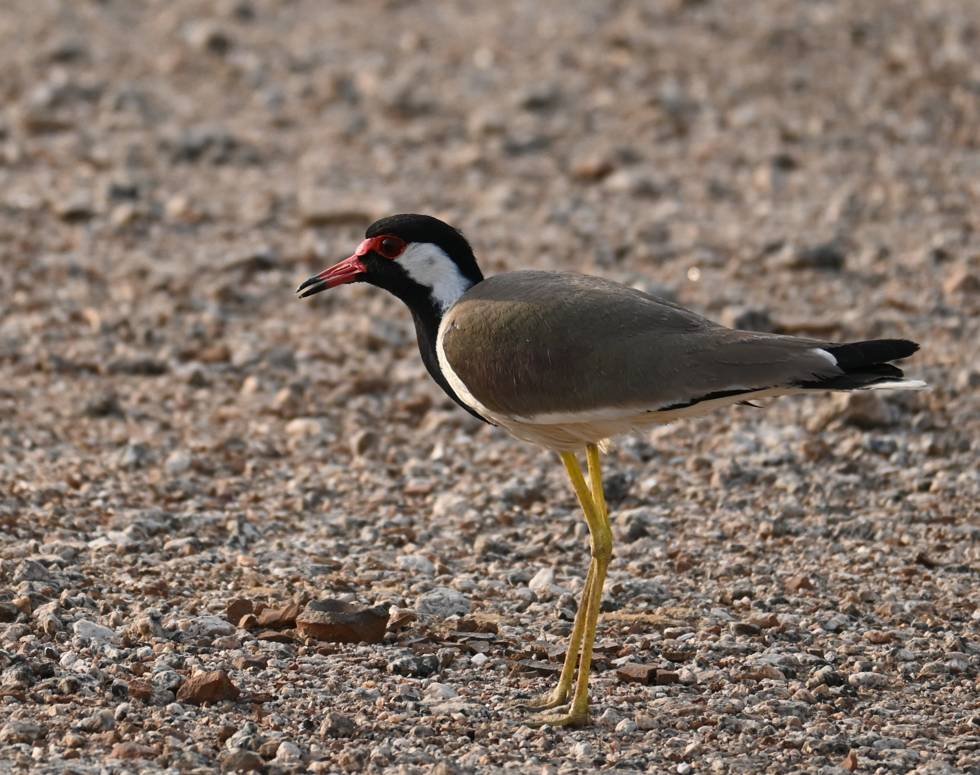
If you plan a trip, read Bird Photography Tours in India and Wildlife Photography Tours in India. For pictures from these places, see our bird photo gallery. And for settings, read Bird Photography for Beginners.
Questions people ask
What is the best time for birdwatching in India?
October to March for most wetlands. The monsoon suits forest birds in the Western Ghats.
Where can I see birds near Pune?
Bhigwan, a day trip from Pune, is one of Maharashtra’s best birdwatching places.
Do I need to go to a national park for birds?
No. Wetlands, dams and grasslands outside parks are often better, and cheaper.
Which bird arrives with the monsoon in the Western Ghats?
The Oriental dwarf kingfisher arrives with the rain in June and leaves by September. The Indian pitta also comes for the monsoon.
Related: Best Time to Visit Tadoba Tiger Reserve
Related: Bhigwan Bird Sanctuary: Best Time to Visit
Related: Bird in Flight Photography: Simple Tips for Sharp Pictures