Nobody tells you how much of bird photography is just standing still. Not the gear, not the light, not even the birds — just the standing, the waiting, the slow recalibration of what counts as a good result. what it took to get them, what I got wrong on the way, and what I’d do differently next time.
If you’re planning your own trip
Where: Bhigwan, Indapur taluka, Pune district, Maharashtra
Ujani backwaters, waiting for light that hasn’t arrived yet
The backwaters are flat, shallow and utterly still an hour before dawn — which is exactly the problem. There’s no light to shoot in, and every bird on the water knows it, moving with a confidence they lose the moment the sun clears the horizon. You get here anyway, because the alternative is arriving after the light and the birds have both already adjusted to you.
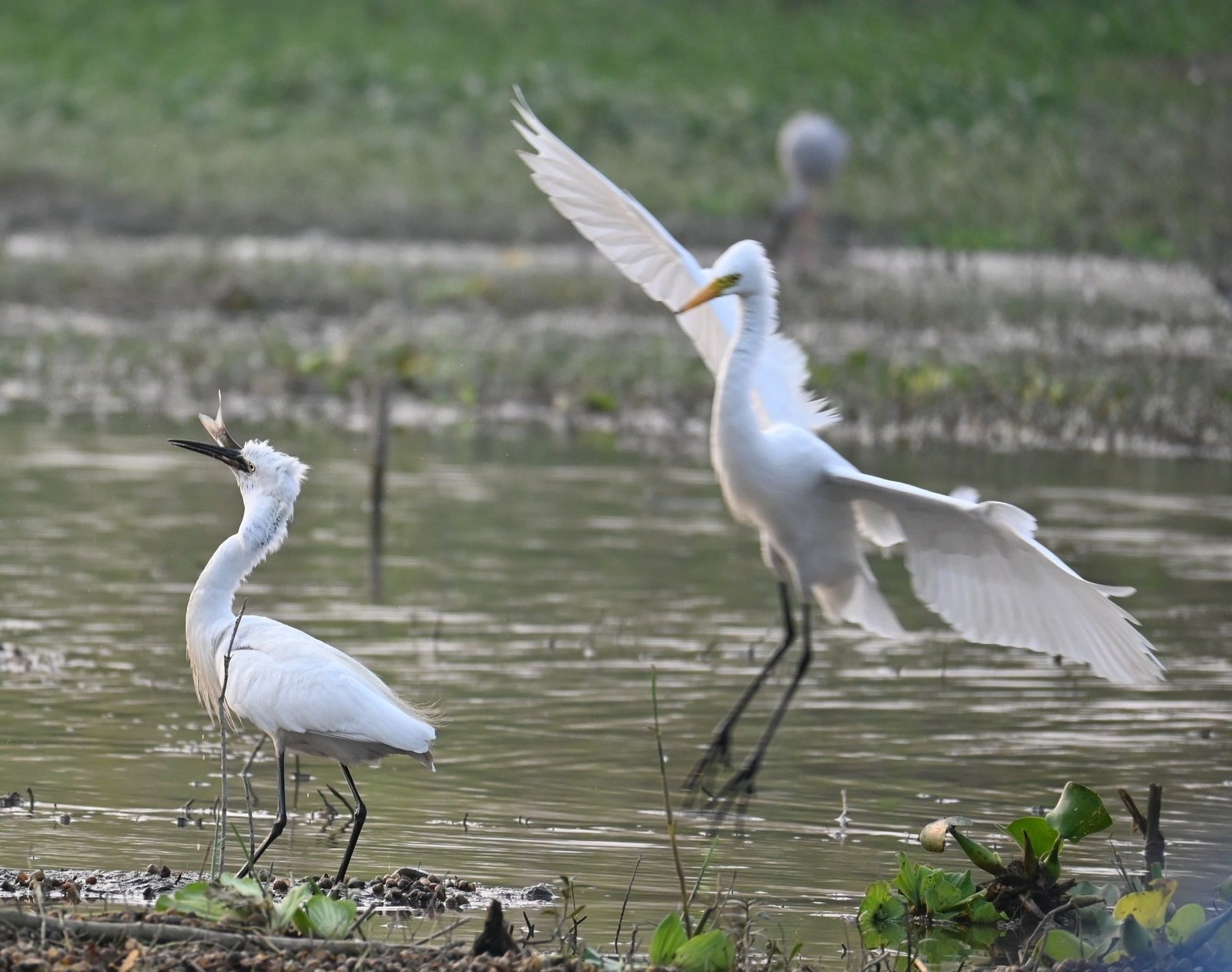
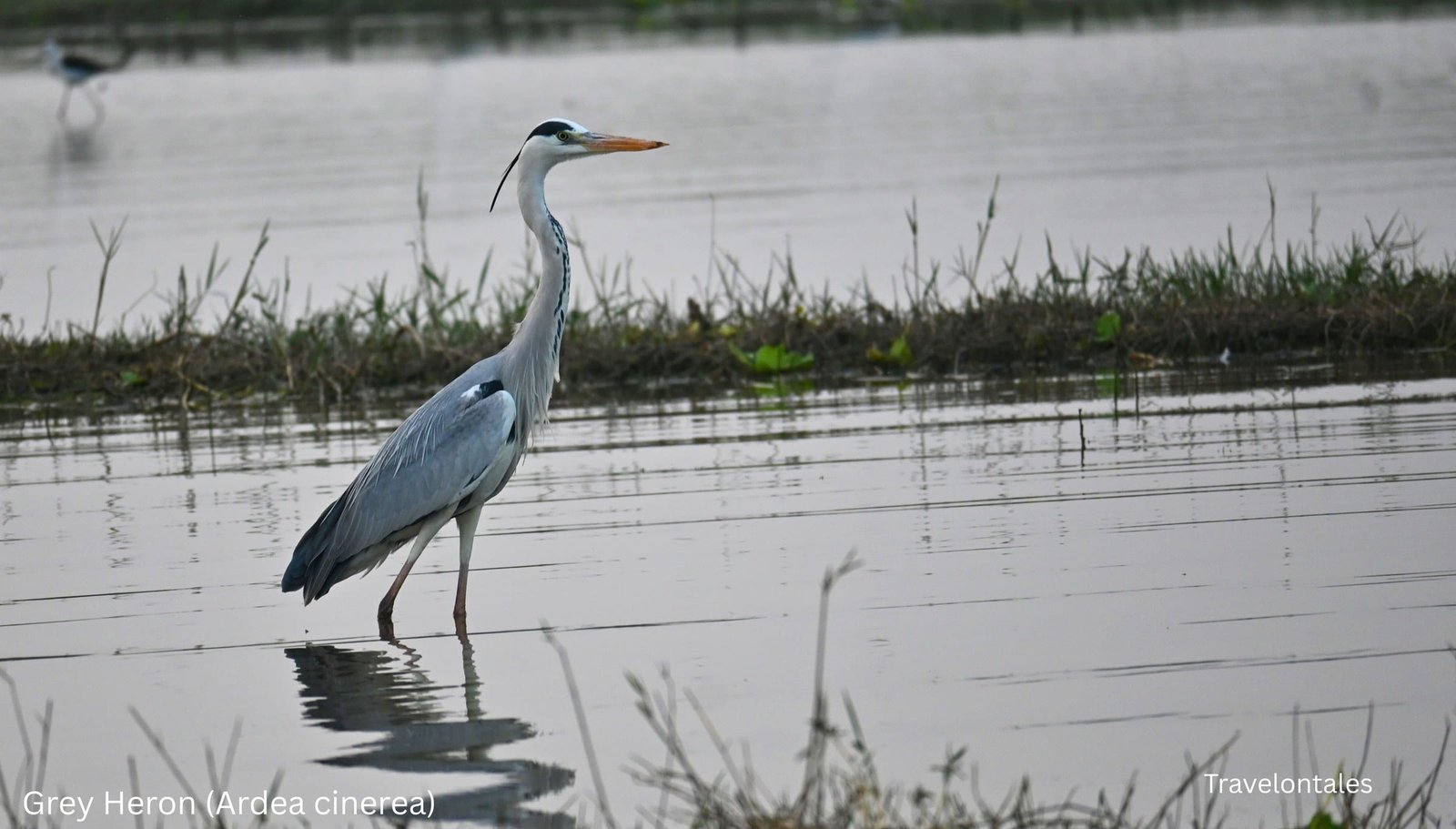
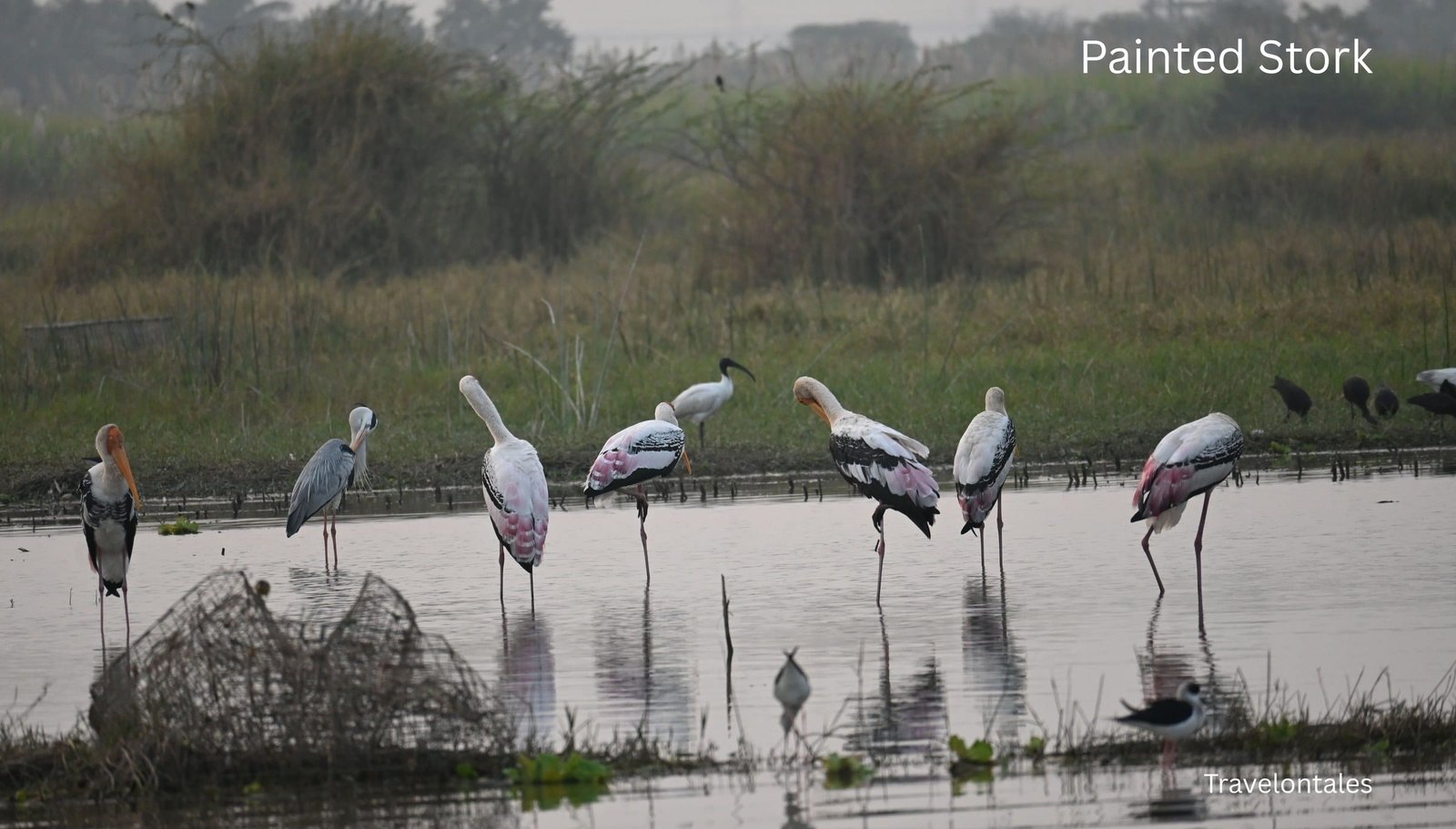
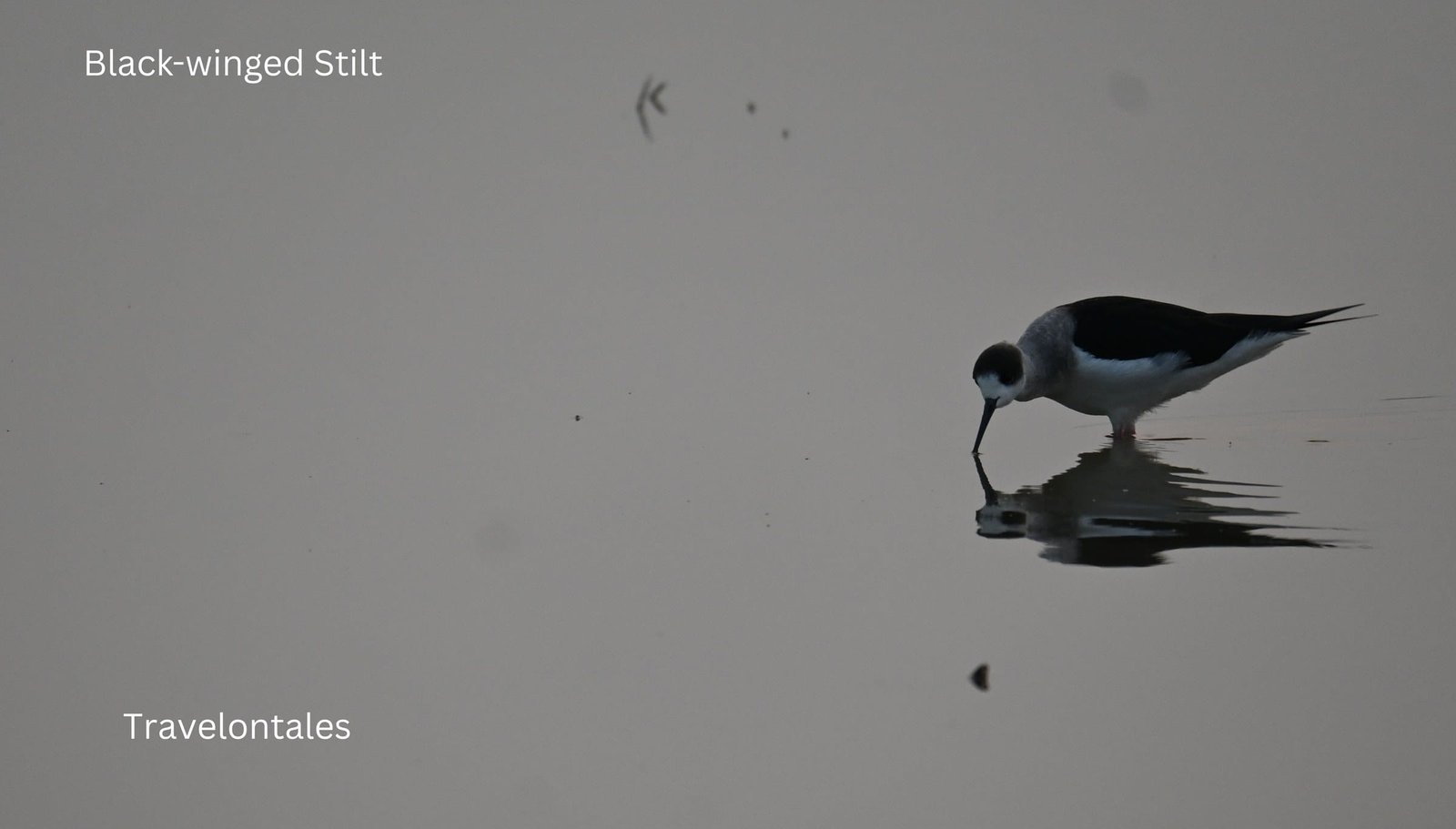
Little EgretEgretta garzettaThis is the frame that taught me to keep shooting after I thought the moment was over. One egret had already caught breakfast; I’d lowered the camera when a second one came in fast and low, wings still spread, clearly unhappy about the outcome. Fastest I’ve fired a shutter all trip.Grey HeronArdea cinereaHerons are a lesson in respecting stillness as a technique, not just a virtue. This one stood motionless for nearly four minutes — long enough that I’d started to second-guess my framing — before it struck. I kept the frame from the waiting, not the strike; the tension reads better than the action does.Painted StorkMycteria leucocephalaThe one bird at Bhigwan you don’t have to work for — a whole line of them, unbothered, preening in the first proper light. Good for confidence early in a shoot; I’ve written the full story of this frame, and what breeding-season Painted Storks are doing at Bhigwan, separately. Read the full Painted Stork story →Black-winged StiltHimantopus himantopusOn the stillest mornings the water turns into a second sky, and a stilt wading through it becomes two birds instead of one. I shot this low, almost at water level, to let the reflection carry as much weight as the bird itself.
02/
Grassland Light
Kadbanwadi, midmorning — when the easy shots run out
Twenty minutes from the water, the grasslands open up and the photography gets harder. There’s no cover, no reflection to work with, and by mid-morning the light turns flat and unflattering. This is where you stop chasing birds and start reading the ground instead — a flicker of movement in dry grass is usually the only warning you get.
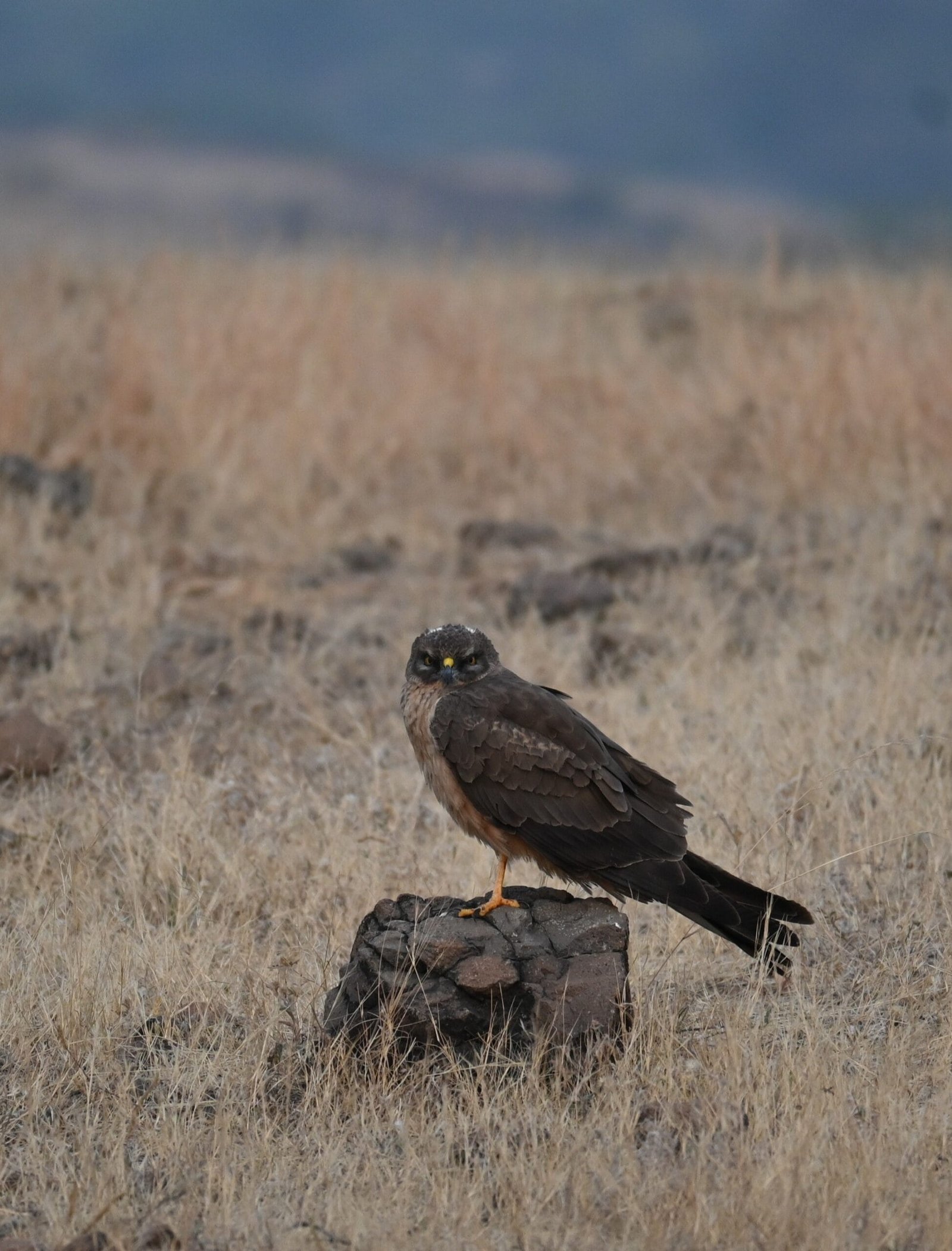
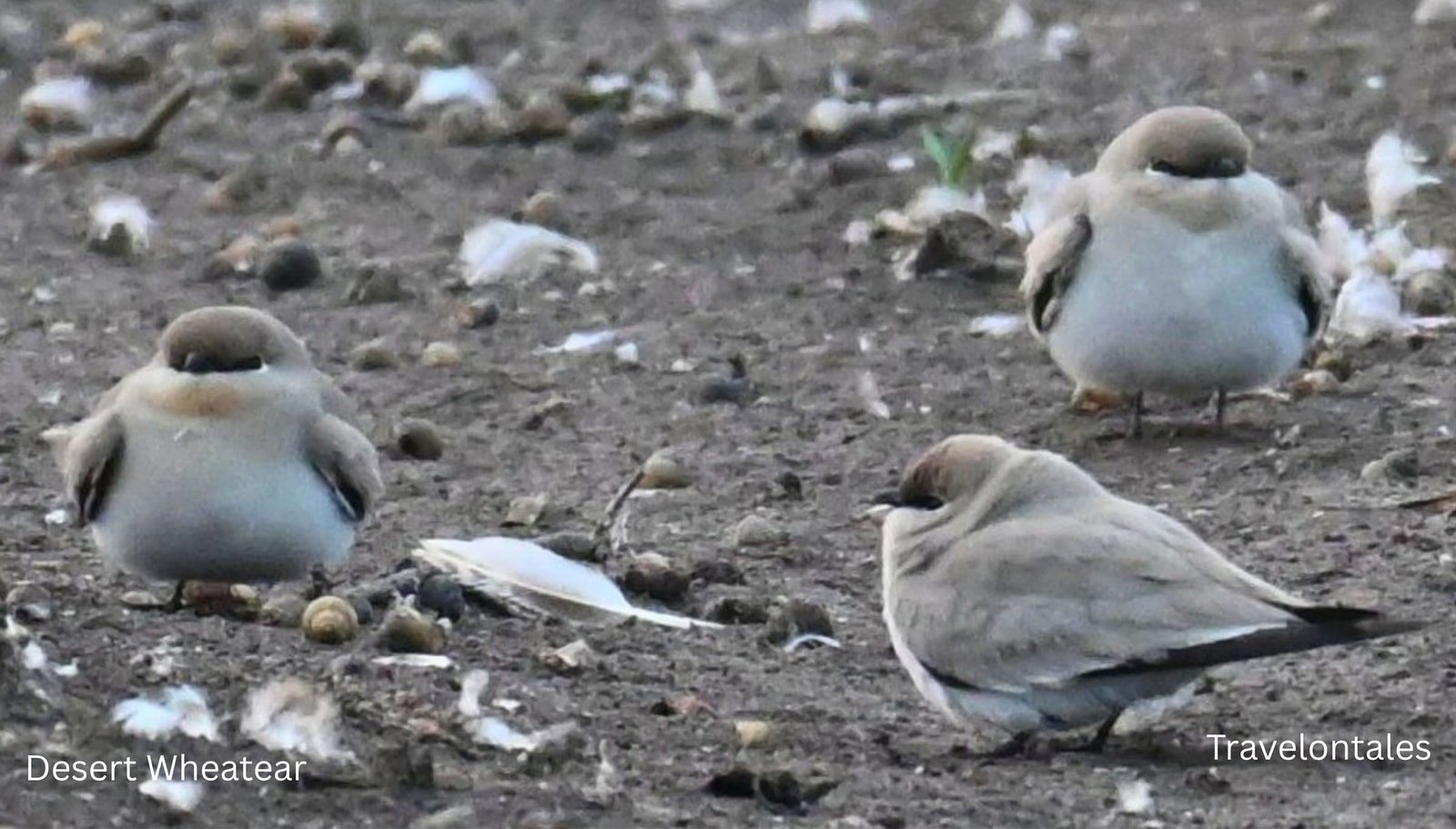
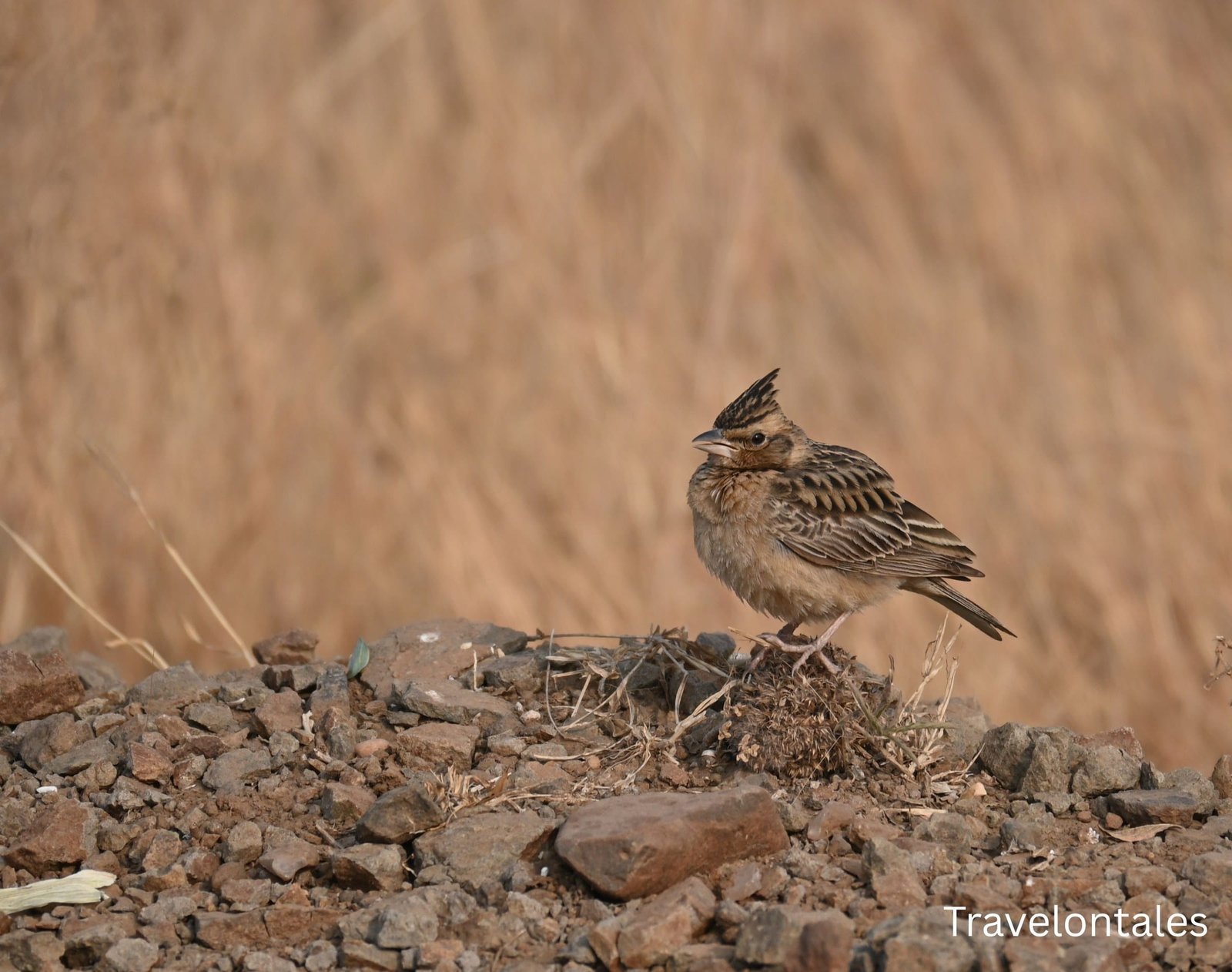
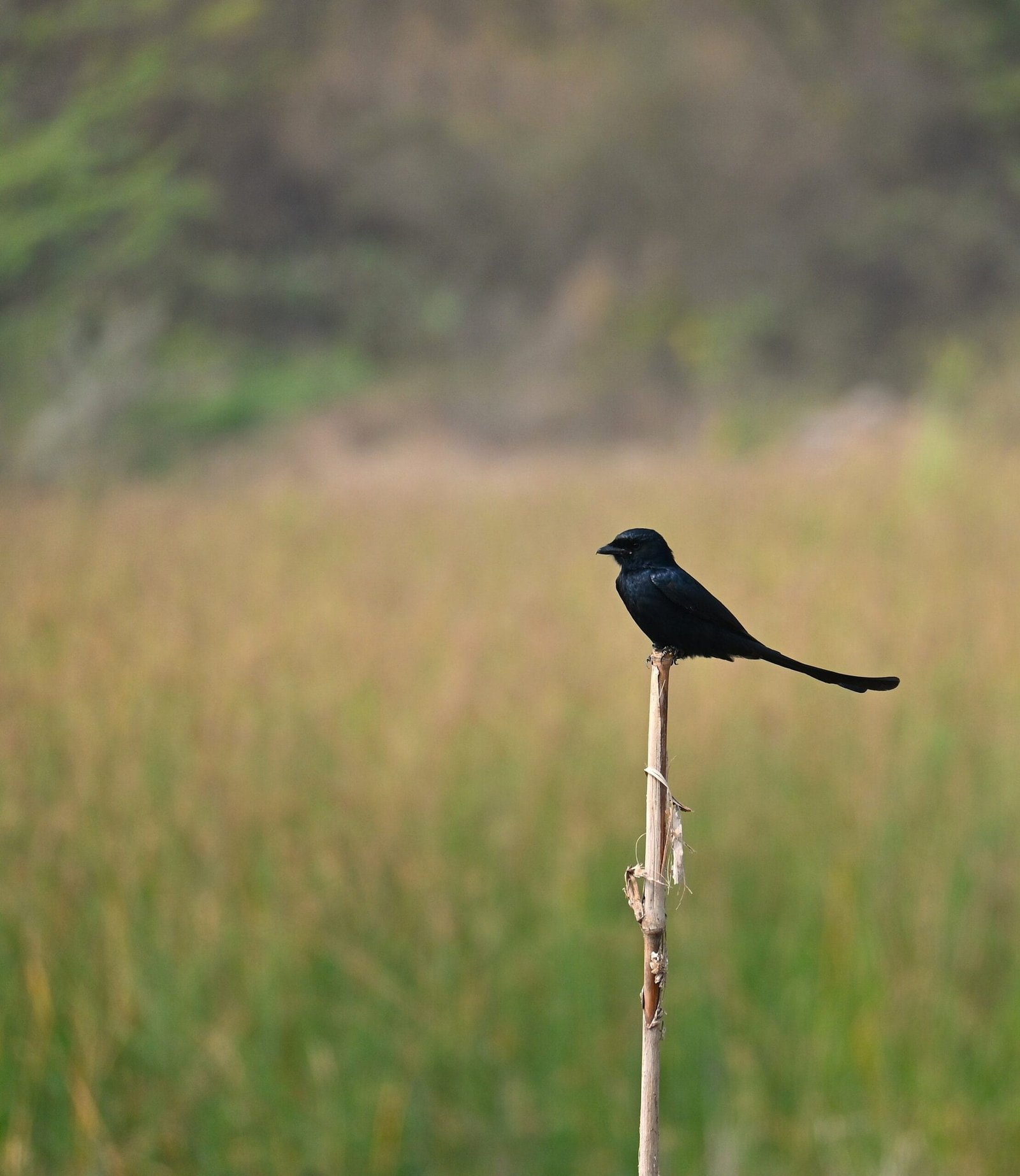
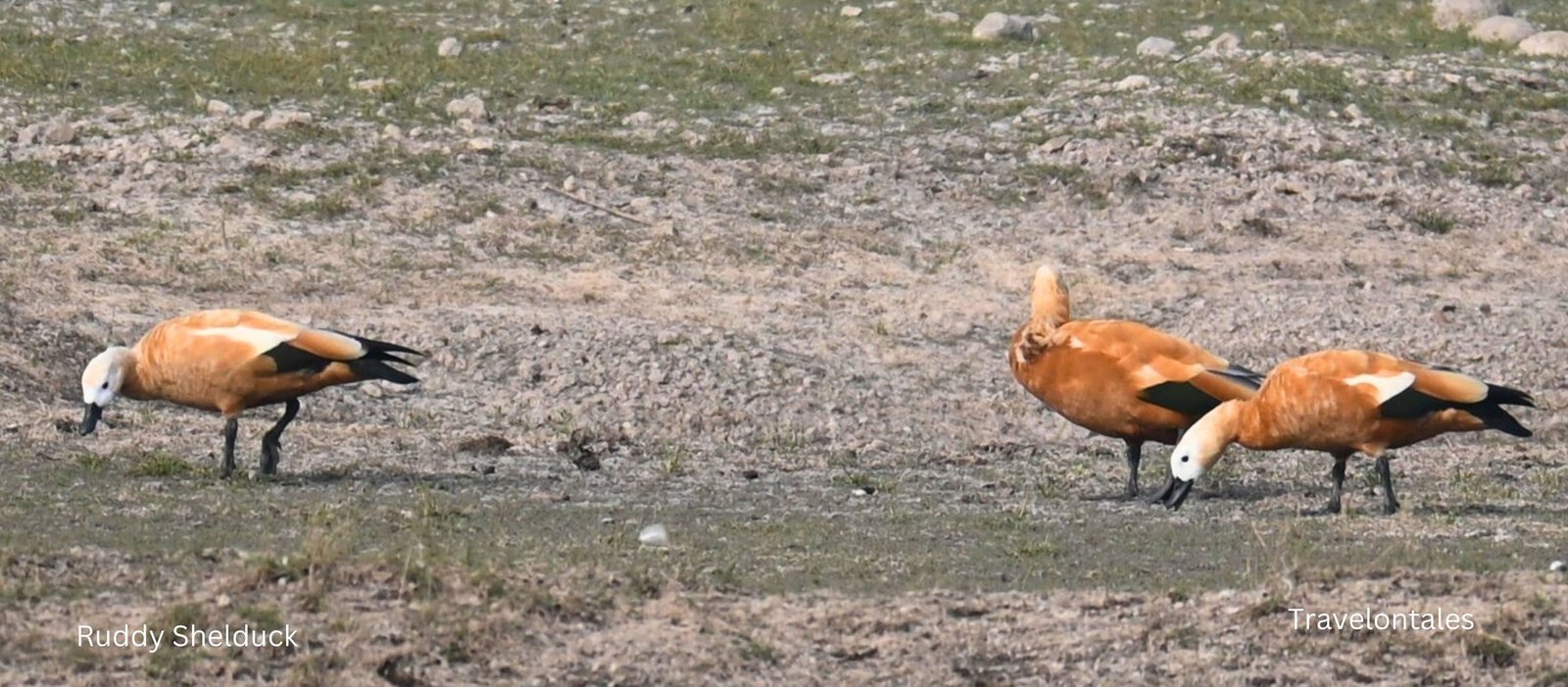
Montagu’s HarrierCircus pygargusEvery serious birder at Bhigwan is quietly hunting for this one. I’d been tracking a low, quartering flight for ten minutes when it landed and looked straight down the lens — three seconds of eye contact before it decided I wasn’t worth the effort. There’s a longer account of that morning, and why Kadbanwadi is the place to find them, here. Read the full Montagu’s Harrier story →Desert WheatearOenanthe desertiA winter visitor from further north, and near-invisible against cracked, feather-coloured earth — I only clocked it because it moved, and then realised there were three, not one. Ground-level birds like this reward getting low yourself; standing height just photographs the dirt.Crested LarkGalerida cristataIt chose the one raised mound of loose rock in an otherwise flat field, crest at full attention, like it knew that was the composition. Sometimes the bird does half your framing for you.Black DrongoDicrurus macrocercusThe most common bird in the frame is the easiest one to stop noticing — until the light turns gold in the last hour and a forked tail against dry grass becomes the whole photograph. A reminder to keep shooting the ordinary birds, not just the rare ones.Ruddy ShelduckTadorna ferrugineaLocally the Brahminy duck — loud, orange, and impossible to miss even at a distance that made most other subjects that morning invisible. More on this species and where else to find it at Bhigwan below. Read the full Ruddy Shelduck story →
03/
Owls in Broad Daylight
The quiet hour among the basalt outcrops
Bhigwan’s owls aren’t a night-safari subject at all — they’re a daytime one, found roosting deep in rock crevices while the sun is fully up. The challenge isn’t finding light; it’s the opposite. Harsh midday sun on pale basalt means brutal contrast, and every frame here was a small negotiation with the shadows an owl was sitting half inside.
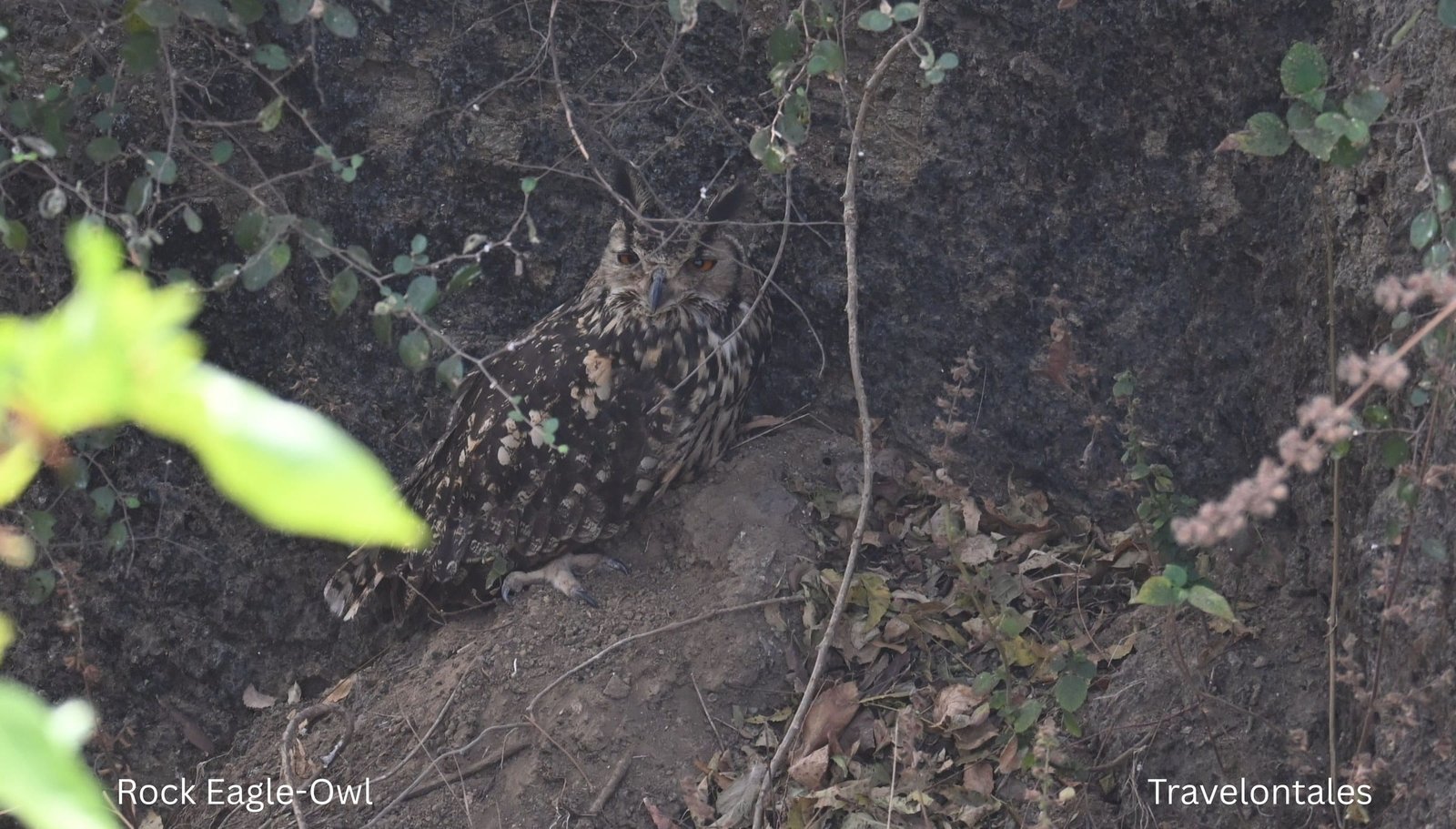
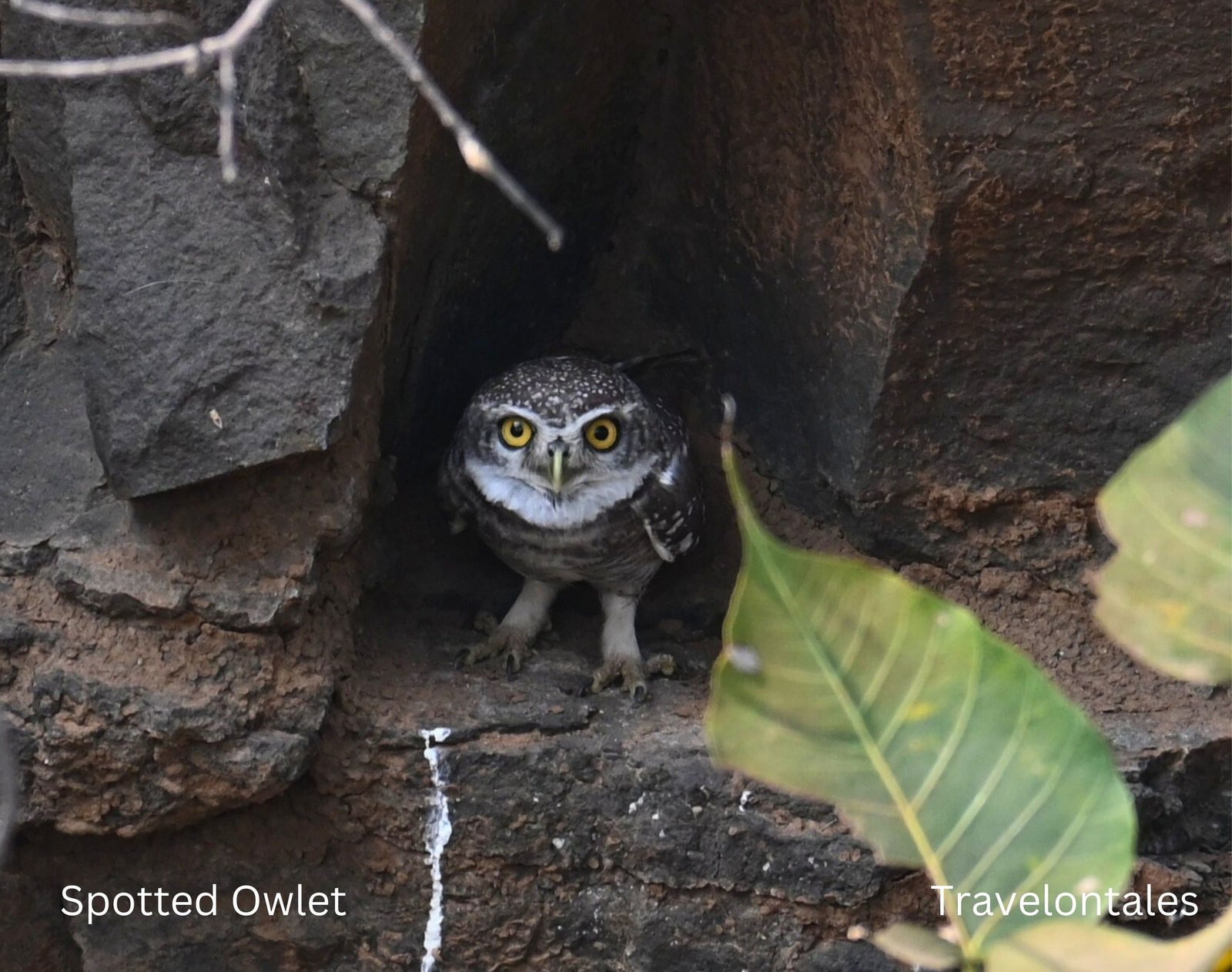
Rock Eagle-OwlBubo bengalensisHalf-hidden against the same basalt it’s probably nested in for seasons, wide awake in full daylight, with eyes that did more of the photograph’s work than my settings did. I’ve written up the full encounter — and why a wide aperture beat pushing ISO in that contrasty rock light — separately. Read the full Rock Eagle-Owl story →Spotted OwletAthene bramaSmaller, bolder, and far less patient than the Rock Eagle-Owl — it held its ground for exactly one frame in the doorway of its crevice before ducking back in. The tiny guardian of the safari rocks gets its own full write-up here. Read the full Spotted Owlet story →
“Half of getting the shot at Bhigwan is deciding, correctly, which ten minutes to wait through.”
04/
At Evening
The night walk — torchlight, high ISO, and trying not to disturb anything
Night photography at Bhigwan is a different discipline entirely — a slow walk with a guide and a red-filtered torch, looking for the flat orange shine of eyes catching light. The rule that matters most here isn’t technical: one pass of light, one or two frames, then leave. Nothing roosting owes you a better angle.
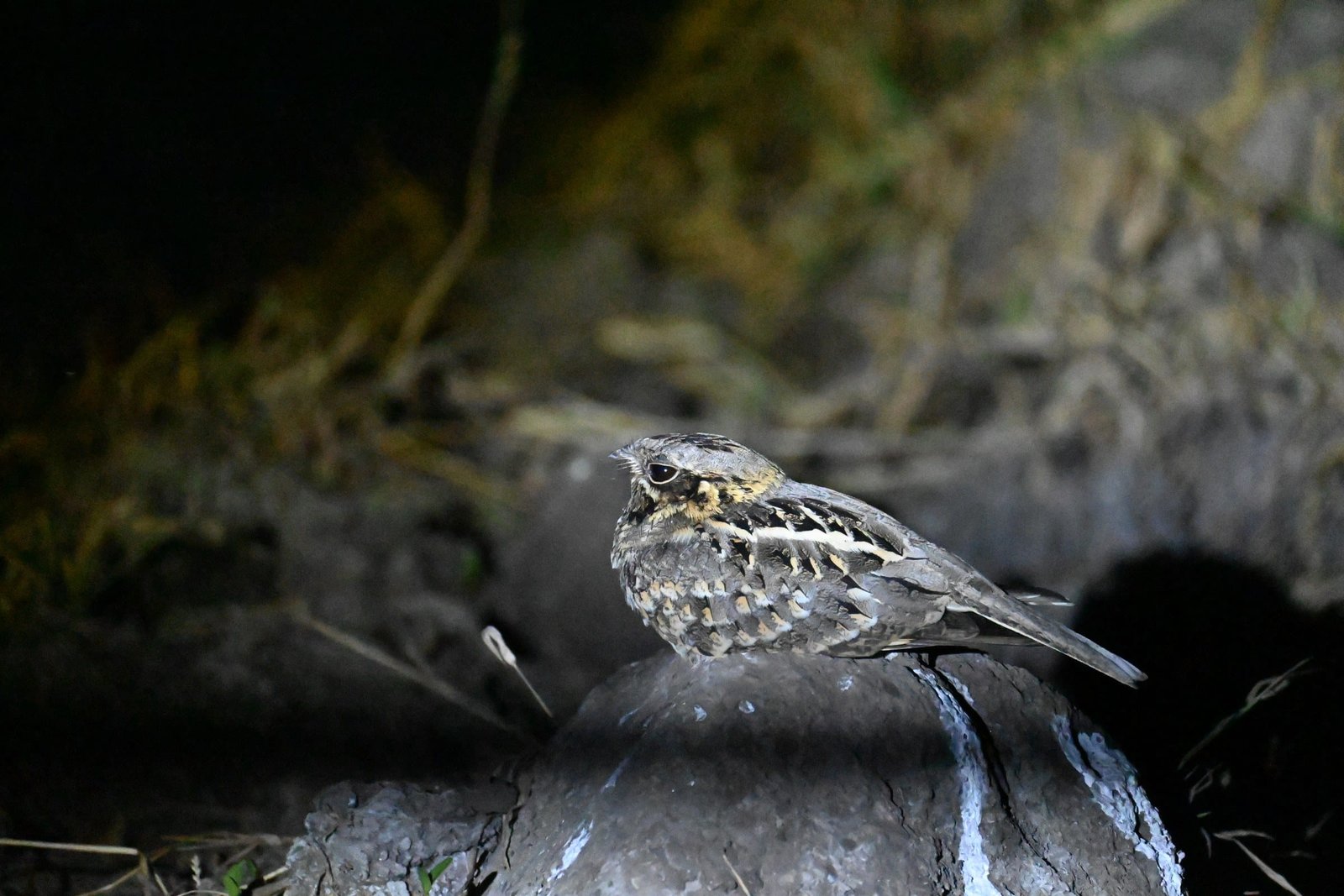
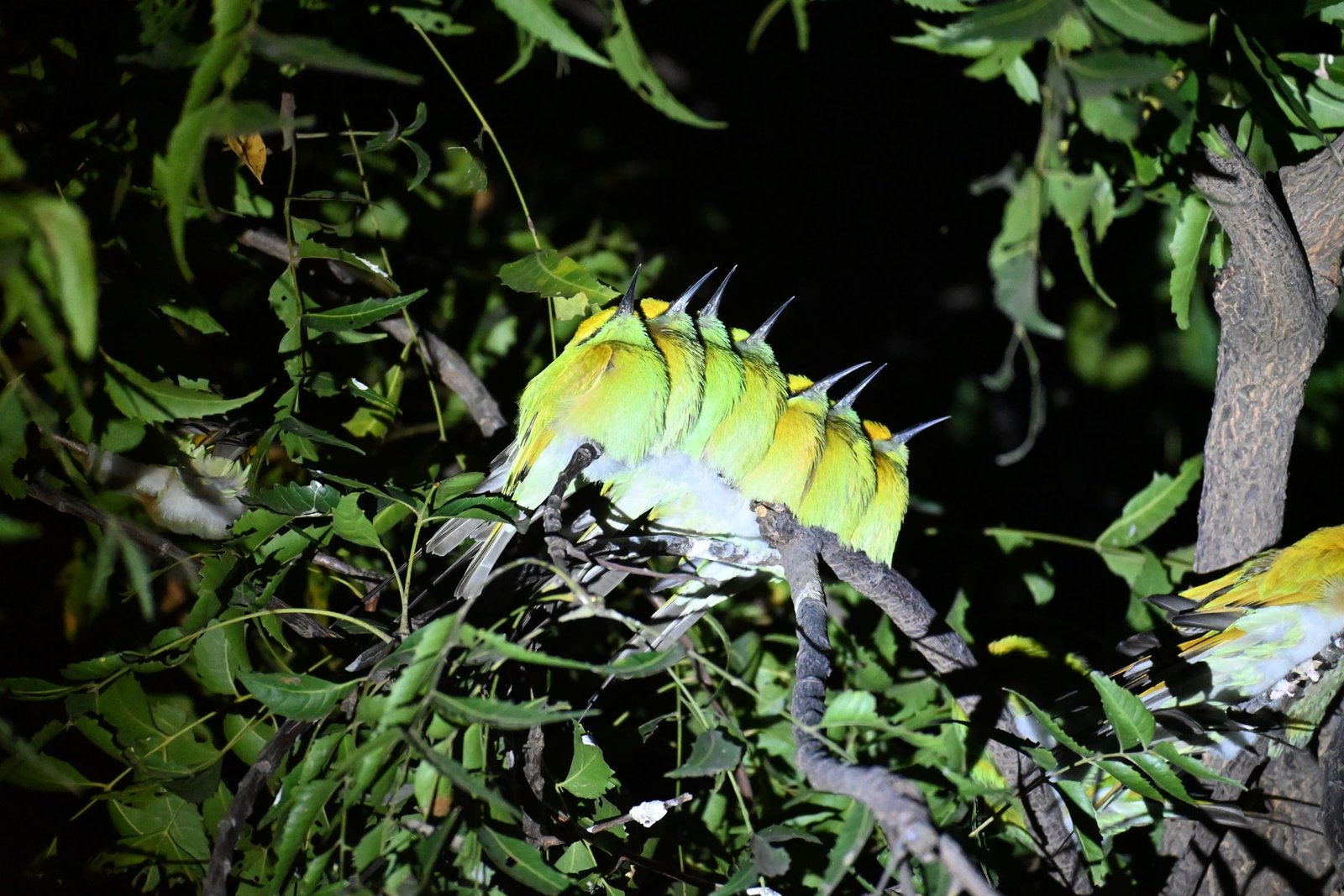
Indian NightjarCaprimulgus asiaticusThe hardest find of the whole trip — sitting flat on bare rock in the dark, so completely camouflaged that our guide had to point three separate times before I saw it at all. No autofocus system is finding this bird for you; it’s entirely down to a sharp-eyed guide, a steady torch, and dumb luck.Green Bee-eaterMerops orientalisThe strangest, loveliest sight of the entire trip — an entire row of them roosting shoulder to shoulder at night, fluffed into identical commas of green and gold, nothing like the sharp little hunters they are by day. I’ve told this one as its own story, because it deserves more than a caption. Read the full Green Bee-eater roosting story →
05/
Small Frames, Slow Light
The shots that don’t need a rare bird to work
Not every good frame from this trip came from chasing something scarce. Some of the best hours were spent parked near a lantana bush or a fruiting tree, waiting for the ordinary daytime residents to stop noticing me.
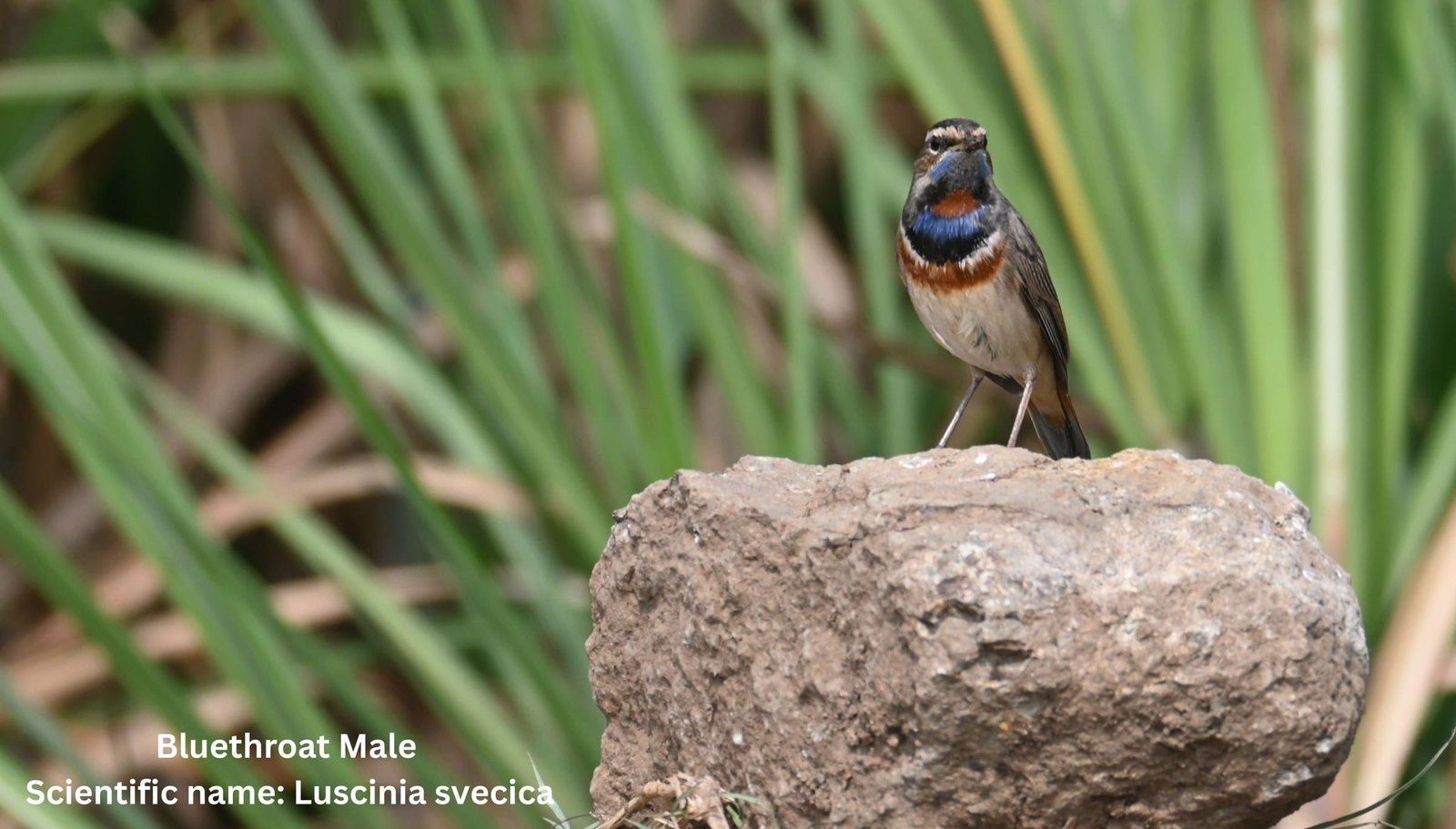
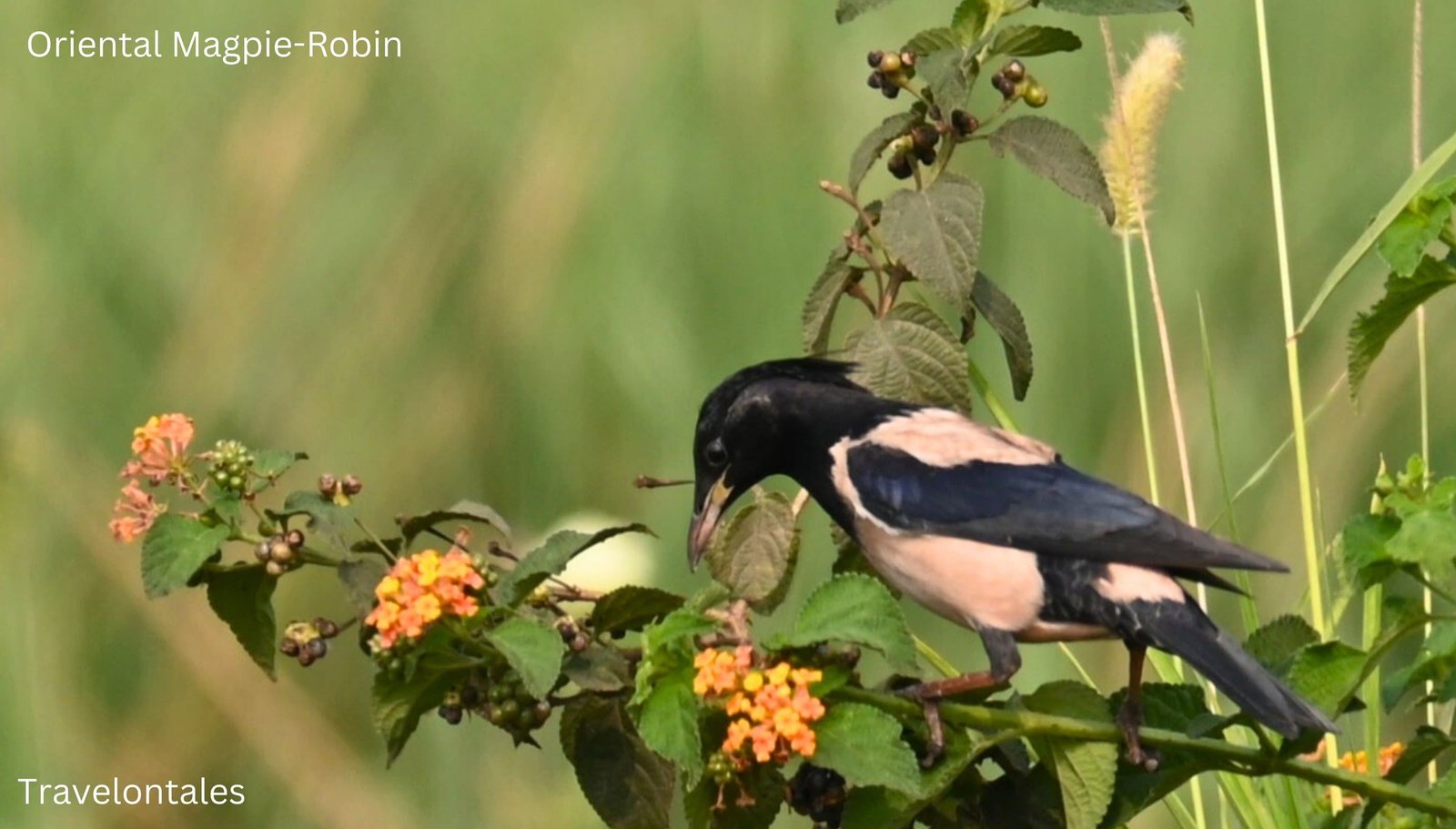
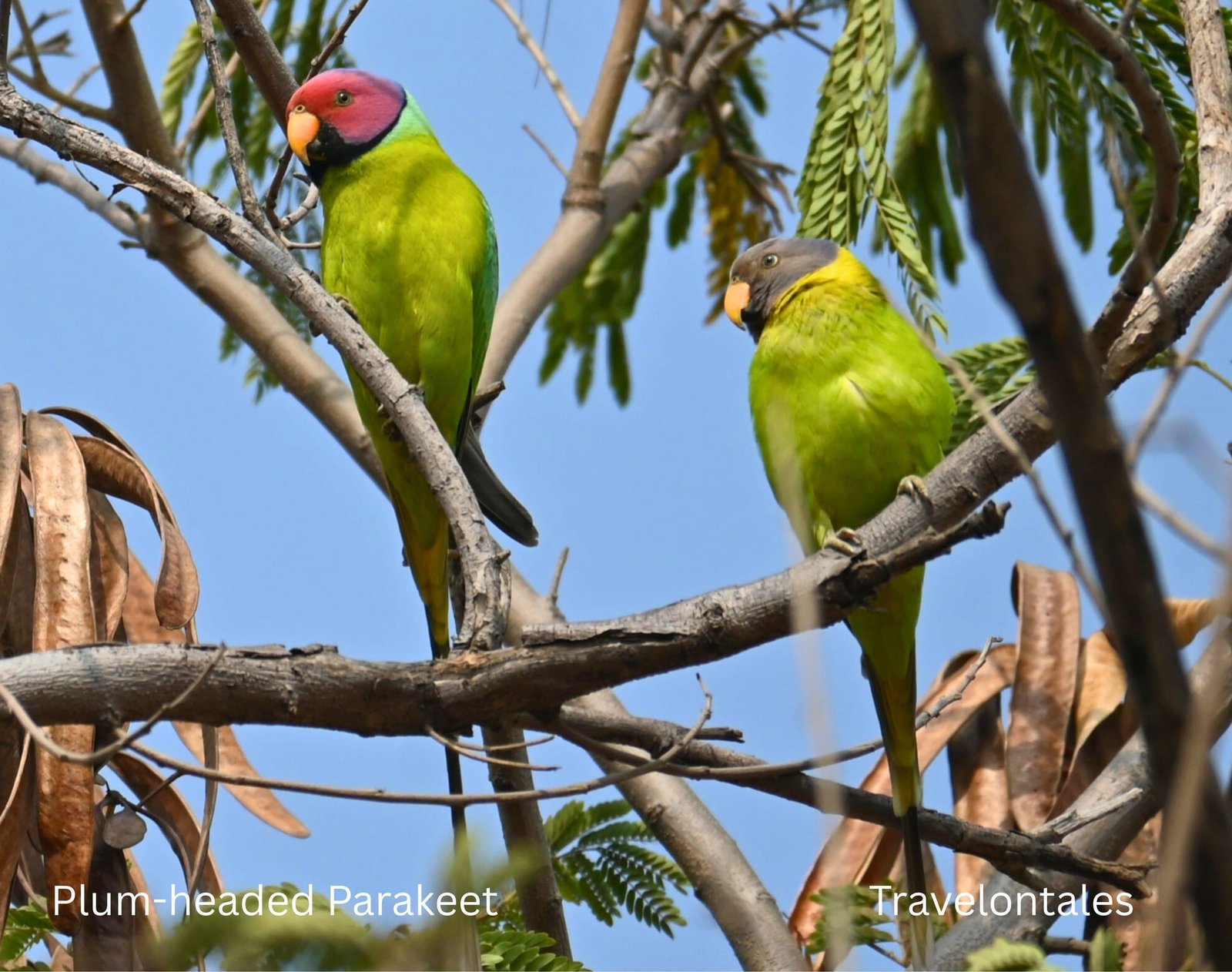
Bluethroat (male) Luscinia svecicaTwenty minutes crouched in wet grass for this one, waiting for the bird to turn its head just enough for that throat patch to catch the light and go electric blue. More on this Palearctic migrant and the Ujani wetlands it winters in, here. Read the full Bluethroat story →Oriental Magpie-RobinCopsychus saularisWorking through a lantana bush with the unhurried confidence of a bird that knows it’s the best singer in the neighbourhood. The orange flowers did as much for this frame as the bird’s own black-and-white contrast did.Plum-headed ParakeetPsittacula cyanocephalaA male’s wine-red head and a female’s soft grey one, sharing the same bare branch — proof that Bhigwan’s trees reward as much patience as its water does. Full pair portrait and notes here. Read the full Plum-headed Parakeet story →
kept from two full days and a lot of standing still. If you want the complete species list from this trip — thirty-nine birds and counting, with photos of each — that’s over on Birds of Bhigwan. If you’re building your own itinerary, the Complete Bhigwan Bird Sanctuary Guide has the routes, timings and where to stay.
Planning your own trip to Bhigwan?
Routes, safari timings, the night walk for owls, and where to stay — it’s all in the full guide.