
Bandhavgarh is one of the easiest places in India to photograph a tiger. It is also one of the easiest places to waste the chance. I have done both. This guide is the one I wish I had read before my first trip.
It is about where to go, what to expect in each zone, and how to prepare. It is written for people who love animals and want to take better pictures of them. The photos here were all taken on our own safaris.
Why Bandhavgarh is good for photographers
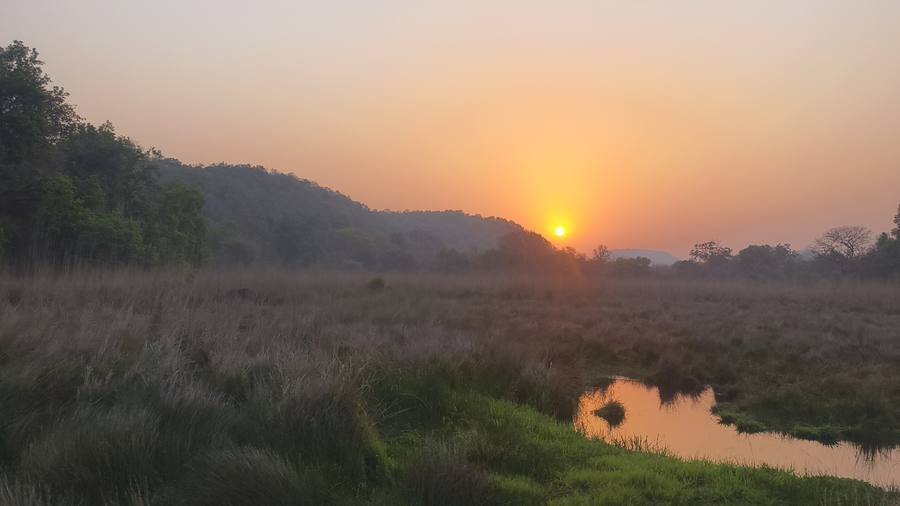
The Tala Zone has the highest tiger density of any zone in India. According to our notes, it is about one tiger for every three square kilometres. The tigers here are used to jeeps. That means they walk on the roads and sit in the open, instead of running into the bushes.
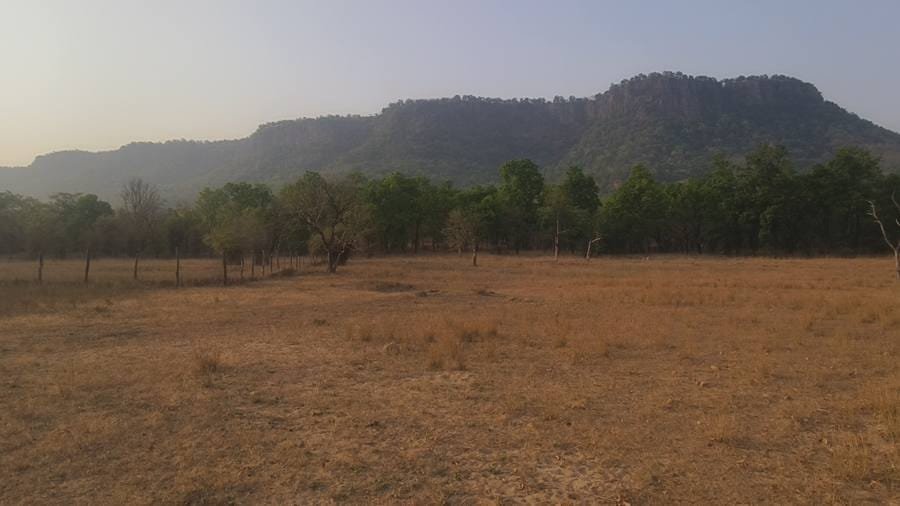
The scenery helps a lot too. The old Bandhavgarh Fort sits on a flat-topped hill above the meadows. The forest below is a mix of teak, sal and bamboo. In April, the grass turns gold. A tiger walking across that is something you do not forget.
The three zones, as a photographer sees them
| Zone | What it is like | Good for |
|---|---|---|
| Tala | The famous zone. Fort, meadow and dramatic land. The highest tiger density and a premium entry fee. | Tiger photography and landscapes with the fort |
| Magdhi | Grass mixed with woodland. Less crowded than Tala. | Tigers, sambar, spotted deer and quieter drives |
| Khitauli | Flatter land and thick bamboo. Home to the elephant herd that arrived in 2018. | Elephants, birds and variety |
You can read more in Bandhavgarh Safari Zones and Timings Explained and Bandhavgarh National Park: field notes.
Photographing the tigers
Here is a true story. In April, during a two-day trip in Tala, a young tiger came out of thick bamboo onto a rocky slope about 40 metres from our jeep. He walked slowly, low to the ground, and he knew we were there but did not care. For about 90 seconds, he walked alongside the track. Then he disappeared behind a boulder.
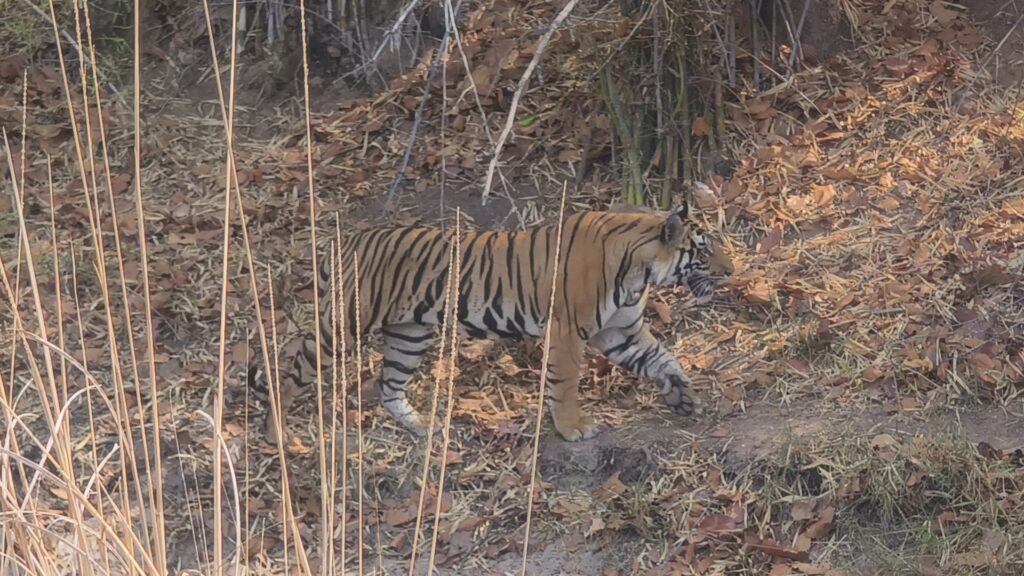
Ninety seconds is not long. That is why you must be ready. Keep your shutter fast, at least 1/1000 of a second for a walking tiger. Follow the animal with the camera instead of waiting for him to stop. And do not lower the camera to look at the screen. You can look later.
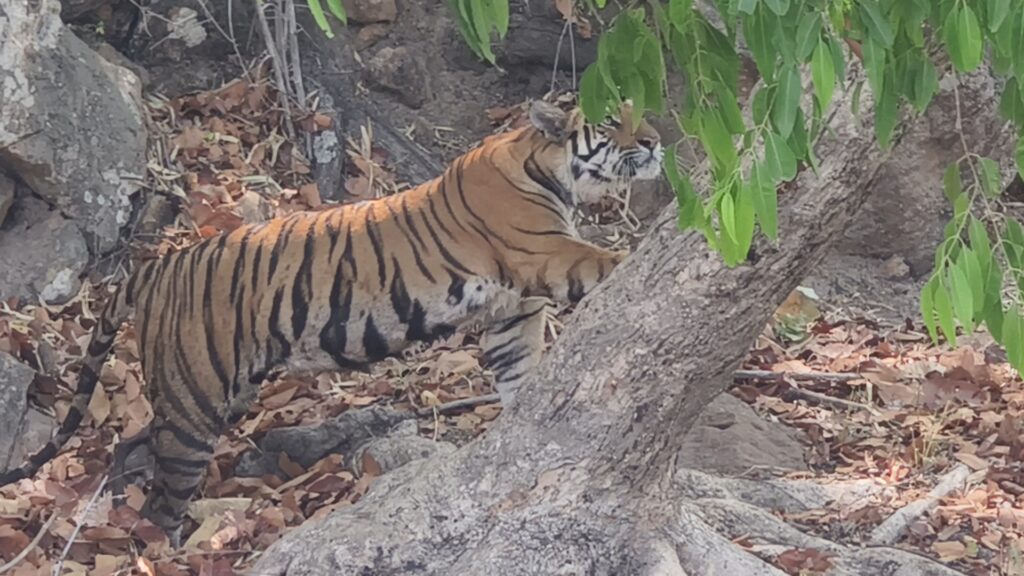
Tigers also do interesting things besides walking. They scratch trees. They spray to mark their territory. If you can find a tiger doing this, the picture says more than a plain portrait. Read how tigers mark territory at Bandhavgarh to learn what to look for.
For camera settings, composition and ethics, read Tiger Photography in India.
Waterholes and quiet light
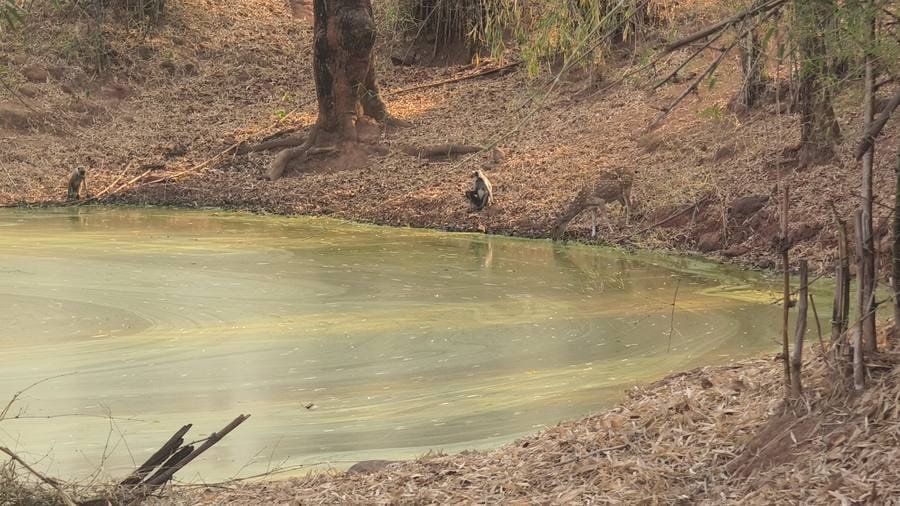
In the dry season, waterholes are the best place to wait. Animals have no choice but to come there. Deer and langurs gather in numbers, and they also give alarm calls. Learn to listen for them. When the langurs start shouting, something is moving.
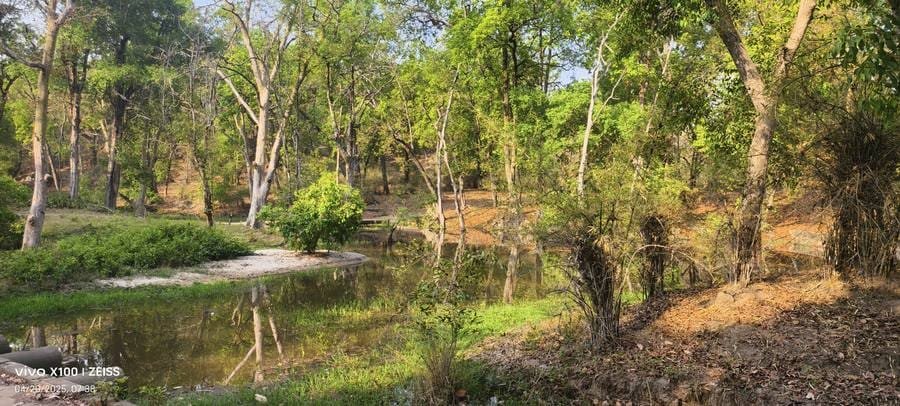
More than tigers
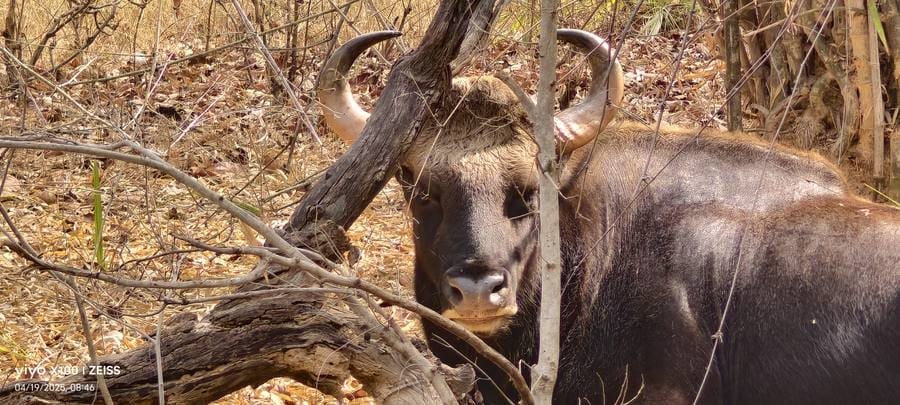
Between tiger sightings, Bandhavgarh has plenty to photograph. Gaur, sambar, spotted deer, langurs, wild boar, peafowl and many birds. Since 2018 there are also wild elephants in the Khitauli zone. See Wild Elephants at Bandhavgarh.
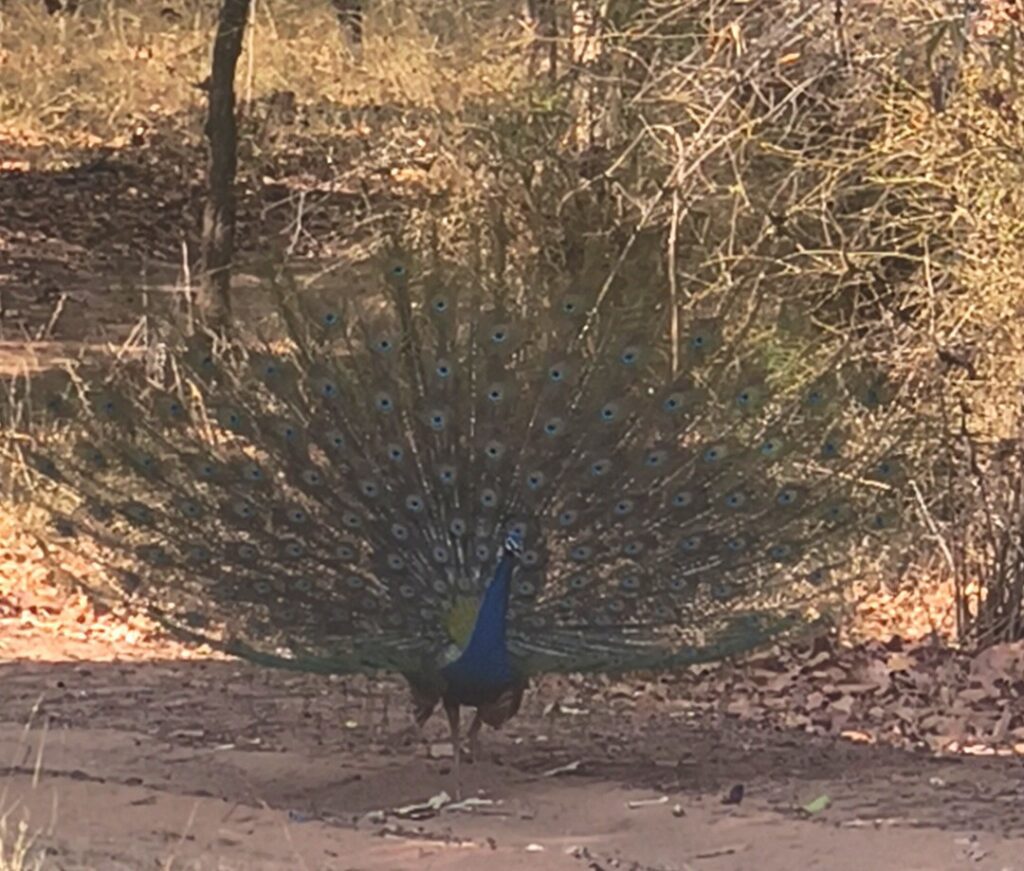
For birds, see Bird Watching at Bandhavgarh and Bird Photography for Beginners.
Practical tips for photographers
- Be at the gate early. Morning safaris start around 5:30 AM in summer. Reach the gate about 15 minutes before.
- Go in April if you want peak sightings. The forest is dry and animals gather at water.
- Book Tala early. Slots in April and May fill weeks in advance.
- Match the zone to your goal. Tala for tigers and scenery. Khitauli for elephants and birds.
- Carry a long lens and a bean bag. The jeep vibrates, and space is tight.
- Follow the rules. Stay in the vehicle. No flash. No pressure on the driver.
Plan the month with Best Time to Visit Bandhavgarh.
Questions people ask
Which zone is best for tiger photography at Bandhavgarh?
Tala is the best for tiger sightings and for the scenery of the fort and meadow. Magdhi is quieter and also good.
What is the best month for wildlife photography at Bandhavgarh?
April is widely seen as the peak for tiger sightings, because the forest is dry and animals gather at water.
Can I photograph elephants at Bandhavgarh?
Yes. A herd from Chhattisgarh settled in the Khitauli zone in 2018, and the number has grown to more than 80.
What gear do I need?
A camera with a long lens and continuous autofocus. A bean bag helps a lot in a jeep.
Related: Best Time to Visit Bandhavgarh National Park
Related: Bandhavgarh Safari Zones and Timings Explained
Related: Jungle Safari Rules in India
Related: Golden Hour Wildlife Photography