
If you love photography and you love tigers, Tadoba is a hard place to beat. I have been to a few tiger parks, and Tadoba is the one I tell first-timers about. The tigers are relaxed. The waterholes are easy to read. And the forest is beautiful in a quiet, dry, golden way.
This is a simple guide to a Tadoba tiger photography tour. What it is, when to go, how a day really goes, and what to ask before you book. I am not selling you anything here. I just want you to go with the right idea in your head.
What is a photography tour?
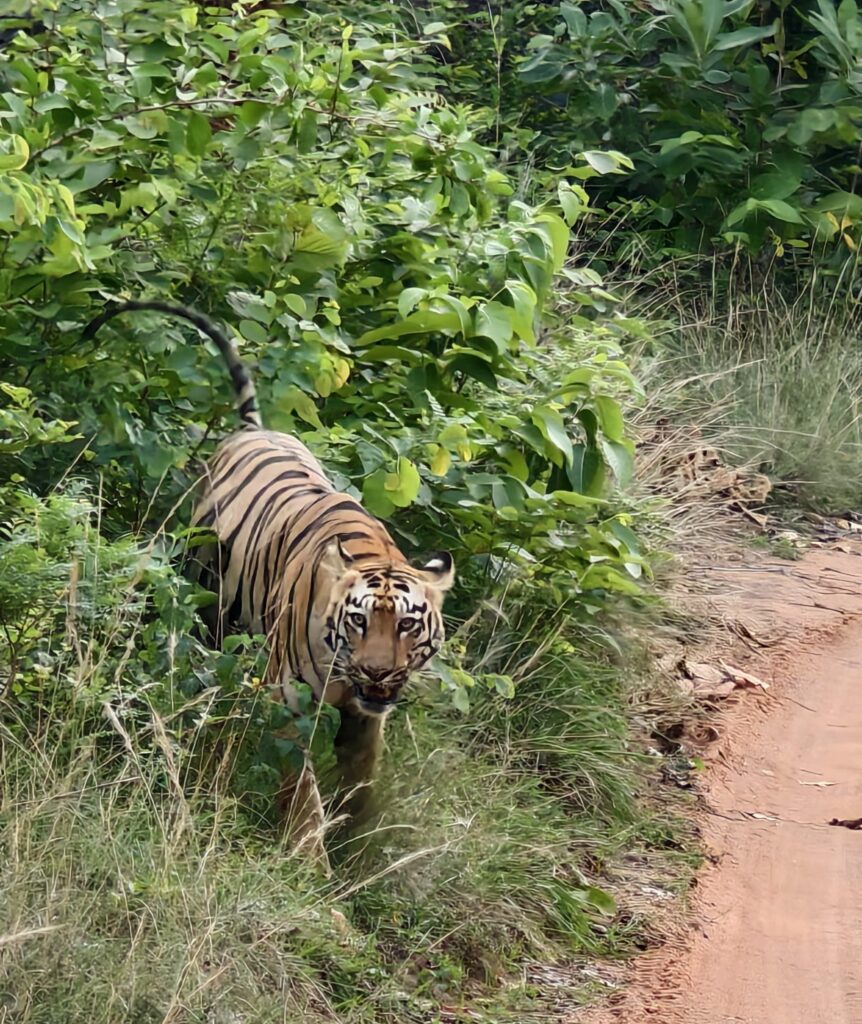
A normal safari is a ride in a jeep to see animals. A photography tour is the same ride, but planned around the camera. You go at the best hours. You pick the gate that suits your aim. You stay at a good waterhole for longer. And your guide knows that you want a still jeep and a clean view, not just a quick look.
Some tours are run by photographers. Some by lodges. Some by local naturalists. All of them can be good. What matters is that the plan is built for pictures.
Why Tadoba is good for photographers
Here is what I like about Tadoba, in plain words.
- The tigers are calm. They walk past jeeps and sit close by. On one trip in June 2025, a tiger sat down about six metres from our vehicle. He did not even look at us.
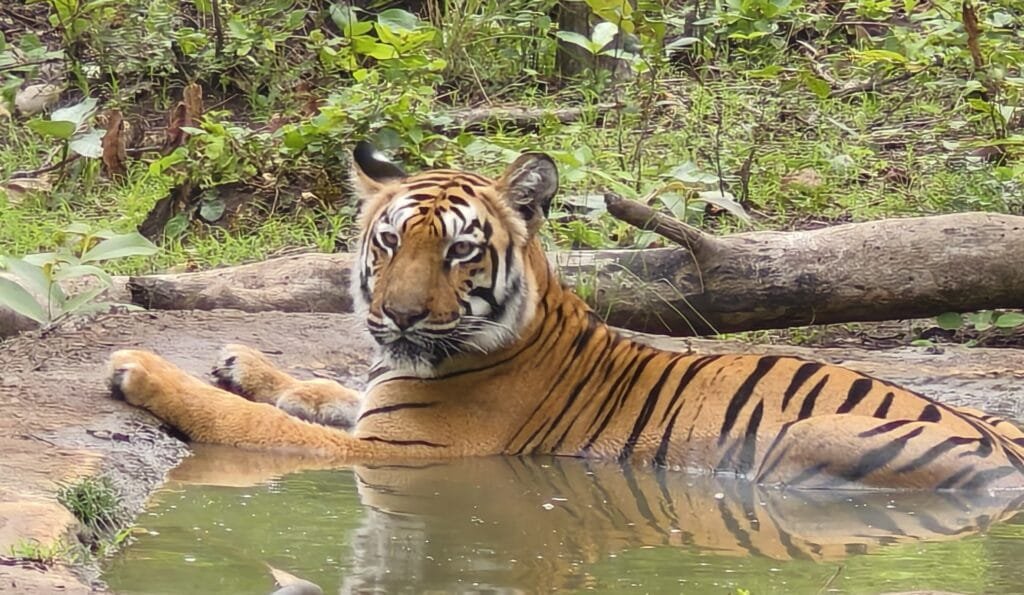
- The waterholes are predictable. In April and May, tigers come to the same spots every morning. A tiger at a waterhole can stay 30 to 40 minutes. That is a long time for a photographer.
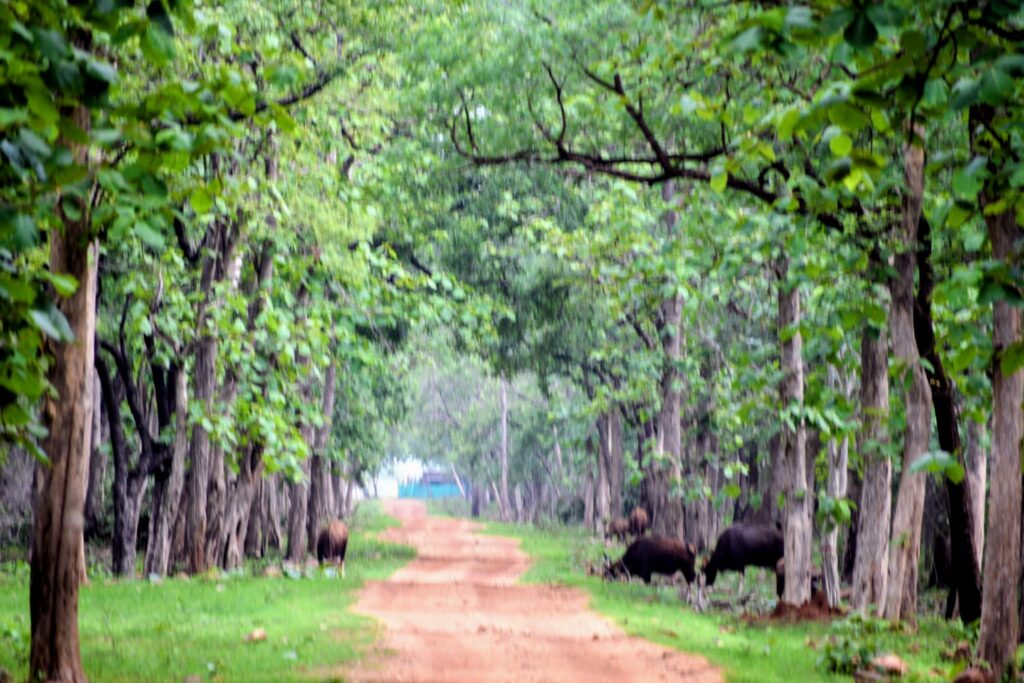
- There is a lot more than tigers. Tadoba has lakes, bamboo, teak forest and open grass. You get birds, mugger crocodiles, gaur and deer in the same trip.
- The safaris are long. Each one is about four hours, so you are not rushed.
A little about the park
Tadoba Andhari Tiger Reserve is in the Chandrapur district of Maharashtra. It is about 150 km from Nagpur. It is the oldest national park in Maharashtra, started in 1955. The name comes from two things: Taru, the local tribal god, and the Andhari river that flows through the forest. Today it covers about 1,727 square kilometres.
The forest is dry deciduous, with teak, bamboo and open grass. Two big lakes, Tadoba Lake and Kolsa Lake, sit inside the park. They attract tigers, crocodiles and a lot of birds, sometimes all at the same spot, at the same time.
When should you go?
The park is open from 1 October to 30 June. The core zones are closed in the monsoon, from July to September.
| When | What you get |
|---|---|
| March to June | Best for tigers. It is hot, and animals gather at the lake and waterholes. April and May are the sweet spot for photographers. |
| October to February | Cooler and more comfortable. Good for birds and for families. Tigers are seen, but they are not as crowded around water. |
| July to September | Core zones closed. A few buffer zones stay open, but sightings are harder. |
Summer can be very hot, over 45°C. Carry water, wear a hat, and plan to rest in the afternoon. I explain every month in Best Time to Visit Tadoba.
A day on a Tadoba photography safari
Here is how a normal day goes. Times change a little by season, so check when you book.
| Time | What happens |
|---|---|
| Before the gate opens | You meet your guide. Check batteries and cards. Set your camera for the first light. In summer, mornings start around 6:00 AM. In winter, around 6:30 AM. |
| Morning safari | About four hours. This is the best light and the most active animals. You usually start at the waterholes and then move along the forest roads. |
| Midday | Rest. Eat. Back up your photos. The sun is harsh and the animals are resting too. |
| Afternoon safari | About four hours again. In winter it starts around 2:00 PM, in summer around 2:30 PM. The light gets soft and warm again. |
| Evening | Look at your pictures and plan tomorrow. Early to bed. The next gate opens early. |
The core zone is closed every Tuesday.
Which gate should you pick?
Tadoba has six core gates. Two matter most to photographers.
- Moharli. The oldest and most popular gate. It has the highest sighting rate.
- Kolara. It sits near Tadoba Lake. It is famous for the tigress Maya and her cubs.
If you are coming from Nagpur, the Navegaon gate is the closest, about 106 km away. A good rule: book your first gate, then stay within about 5 km of it. Mornings start early, and you do not want a long drive in the dark.
I have written about the gates, timings and the park in Tadoba Andhari Tiger Reserve.
Sightings do not always look like postcards
This is something nobody tells you. Most tiger sightings do not look like the pictures you see online. Often the tiger is deep inside bushes. You only see a patch of orange and a few stripes.
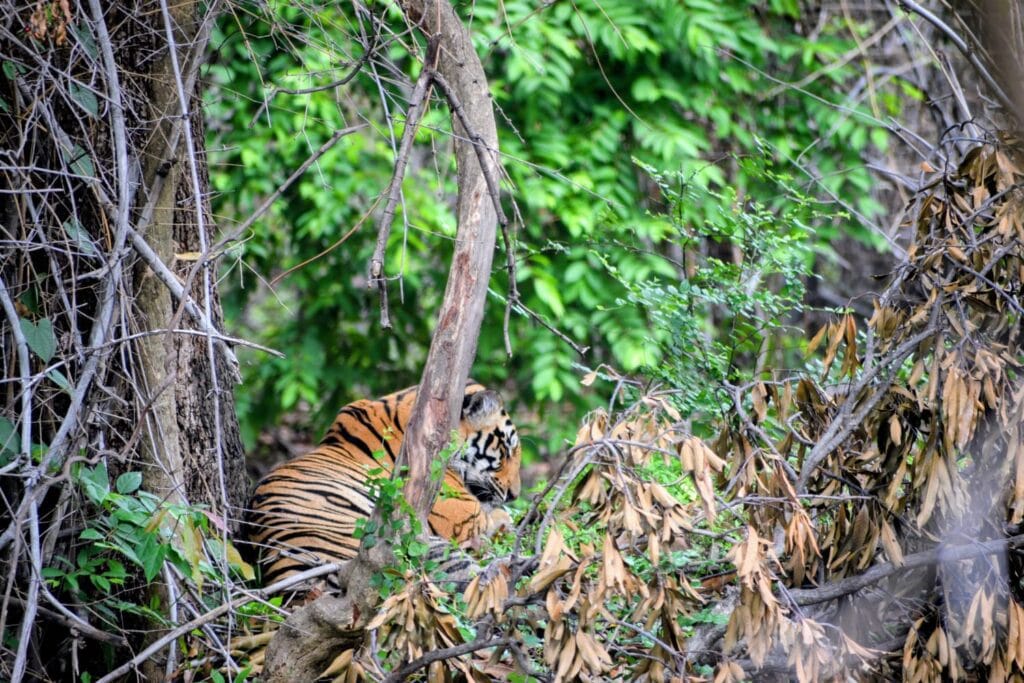
When that happens, do not give up. Stay quiet. Keep your camera ready. Tigers move. Sometimes, in ten minutes, the animal stands up and walks into the open. Sometimes it does not. That is wildlife. But the people who wait are the people who get the shot.
What to photograph besides tigers
- Waterhole behaviour. Drinking, resting and cooling off.
- Tigers on roads. Walking toward the jeep or away from it.
- Birds. The reserve is home to more than 280 species, including the lesser adjutant stork and the Asian openbill.
- The forest itself. Red earth tracks, bamboo and morning mist make good pictures.
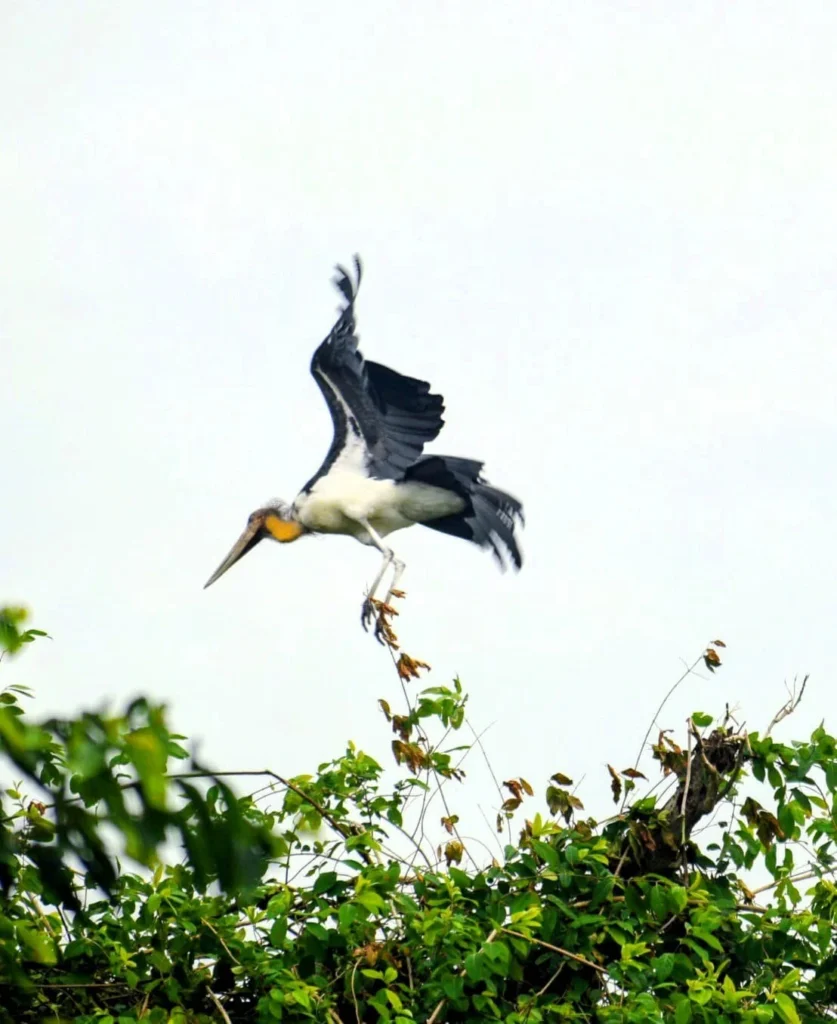
If birds are your thing, see Birds of Tadoba.
What to carry
- A long lens and a body that can track focus
- A bean bag to rest the camera on the jeep rail
- Spare batteries and memory cards
- Dull clothes, a hat and a lot of water
- Binoculars. They help you spot a tiger before the camera does
For camera settings and how to compose a tiger photo, read Tiger Photography in India.
How to choose a tour
Ask these questions before you pay.
- How many people share the jeep? Fewer is better. You need room to move the camera.
- Which gate is booked? Moharli and Kolara are good first choices.
- How many safaris are included? More drives means more chances.
- Who is the guide? A good one reads animal behaviour and knows what a photographer needs.
- What happens if the zone closes? Ask about changes and refunds.
- Are they honest? If anyone promises a tiger, walk away. Nobody can promise that.
My full checklist is in Wildlife Photography Tours in India.
My simple advice
Go for two nights at least. Book the first safari early. Be at the gate on time. Be quiet in the jeep. And do not expect the perfect picture on day one. Tadoba rewards people who stay a little longer than they planned.
Questions people ask
What is the best time for a Tadoba photography tour?
March to June, and especially April and May. That is when tigers visit waterholes every day.
How many safaris should I book?
As many as you can. Tigers are never guaranteed. Two nights, with a morning and an afternoon safari each day, is a good start.
Which gate is best at Tadoba?
Moharli is the oldest and most popular. Kolara is near Tadoba Lake. Both are good.
Can I photograph birds at Tadoba?
Yes. The park has over 280 bird species. Winter is the best season for birdwatchers.
How hot does Tadoba get?
In summer, it can go above 45°C. Carry water and wear a hat.
Related: What to Wear and Pack for a Jungle Safari in India
Related: Jungle Safari Rules in India
Related: Your First Tiger Safari in India: What to Really Expect
Related: Safari Alarm Calls: How Guides Find Tigers by Listening
Related: Golden Hour Wildlife Photography