
This page is a small collection of the bird photographs we like best. They come from wetlands, grasslands, dry hills and tiger forests across India. None of them is a perfect picture. Each one is a morning we remember: the cold air, the quiet, the moment a bird did something and we were lucky enough to be ready.
Under each group, I have written a little about the place and the birds. If a photo makes you want to know more, there is a full story linked beside it.
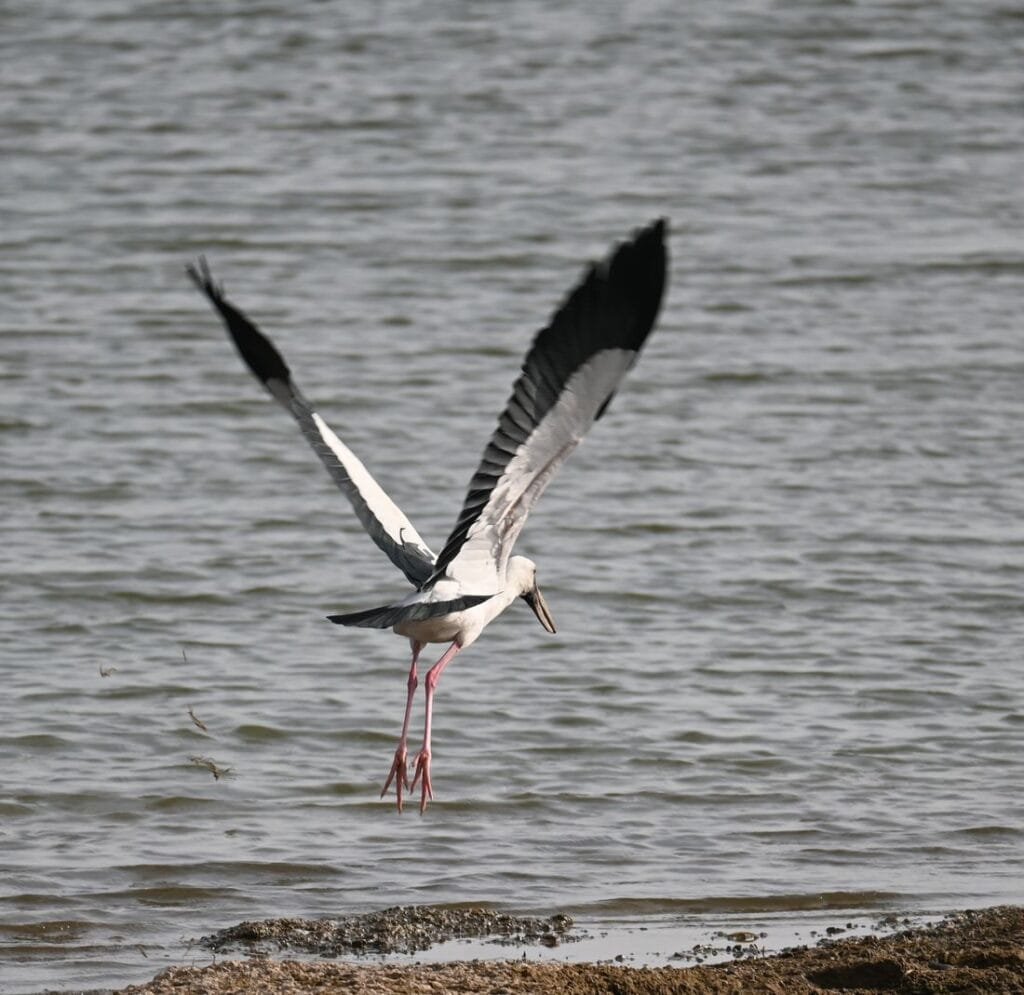
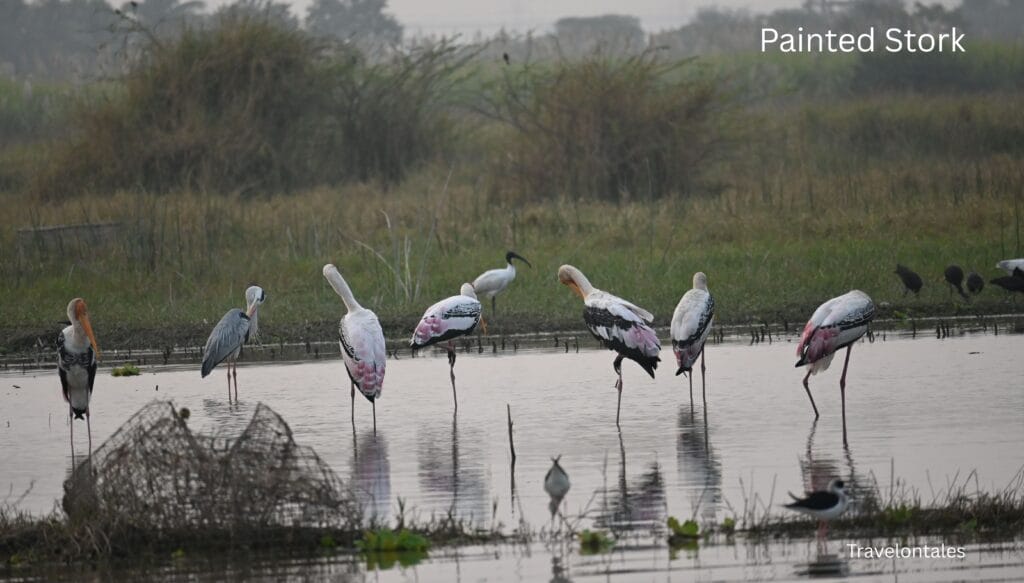
Waders and storks
If you are new to birdwatching, start at a wetland. The birds stand in open water, the background is simple, and the reflections do half the work for you. Many of them are big, slow and patient, which is a gift when you are learning.
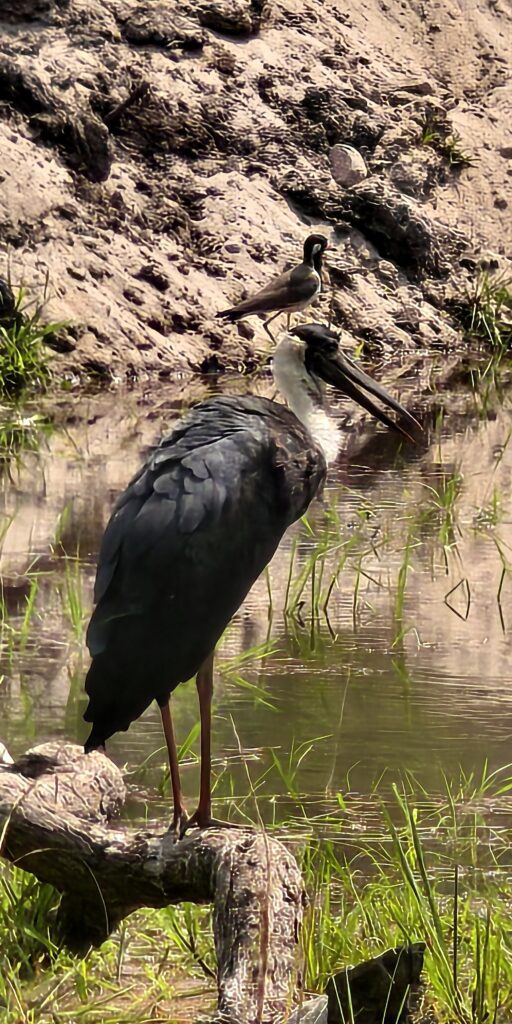
At Jawai, the Asian openbill stork has a bill with a gap even when it is closed. That gap helps it pull snails out of their shells. At Tadoba, in the breeding season, hundreds of openbills can nest in one tall tree. The great egret is another patient hunter. It stands perfectly still, then strikes at a fish in an instant.
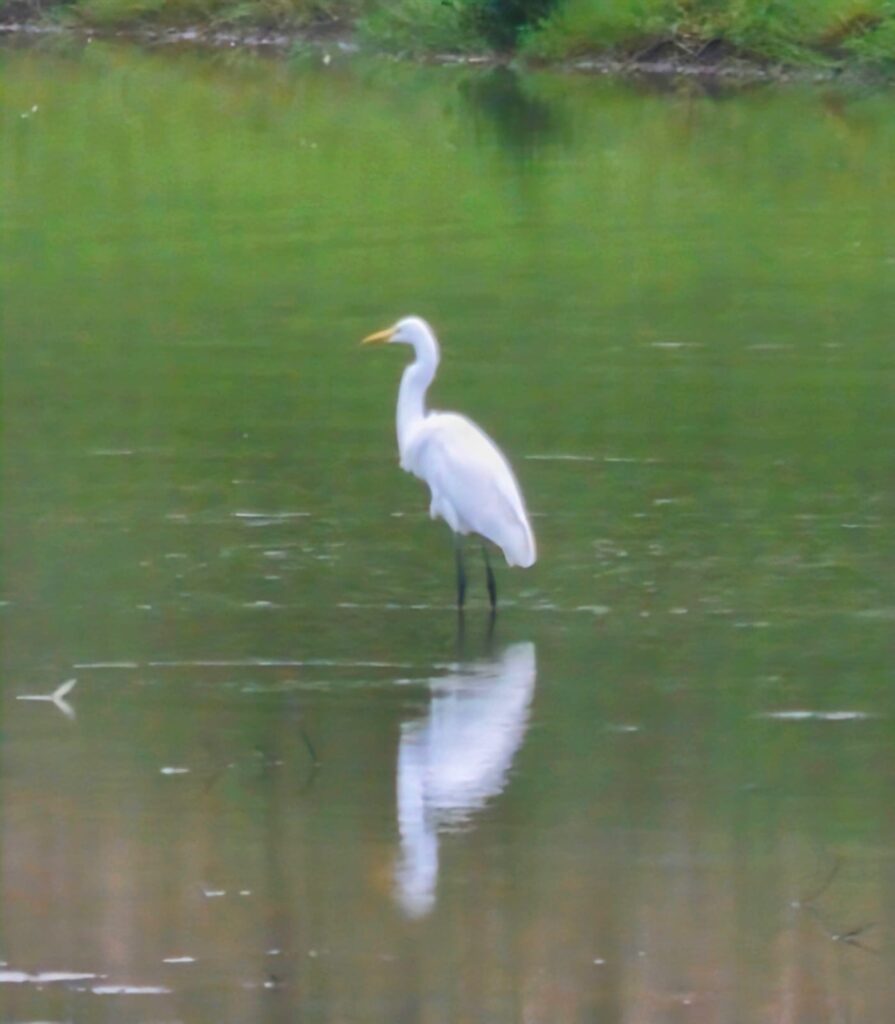
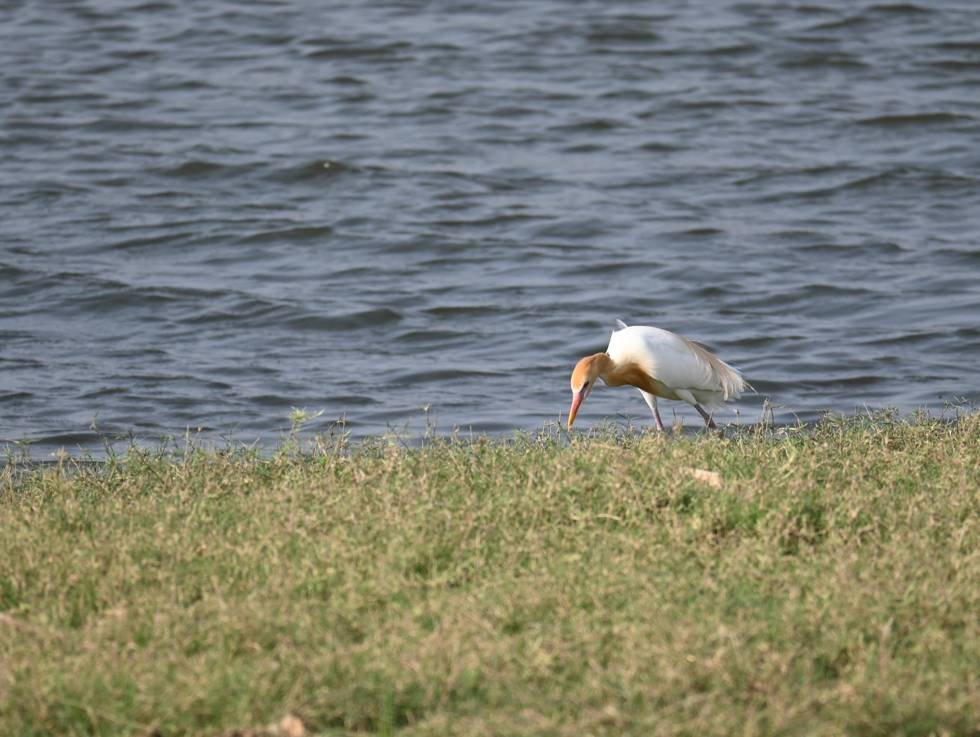
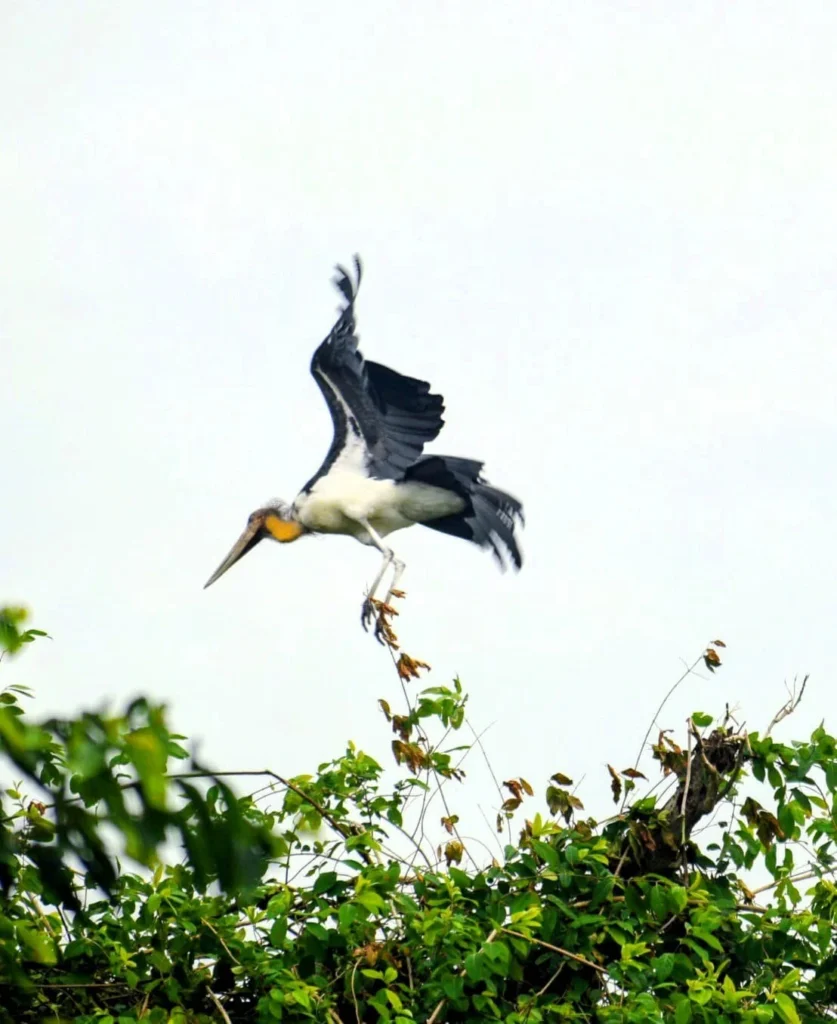
More on these: Birds of Bhigwan, Birds of Tadoba and the Asian openbill stork at Tadoba.
Small birds, up close
Small birds teach you patience. A bluethroat may sit on the same rock for ten minutes, and that gives you time to read the light and fix the background. A pied kingfisher will return to the same bare branch again and again, if you wait quietly.
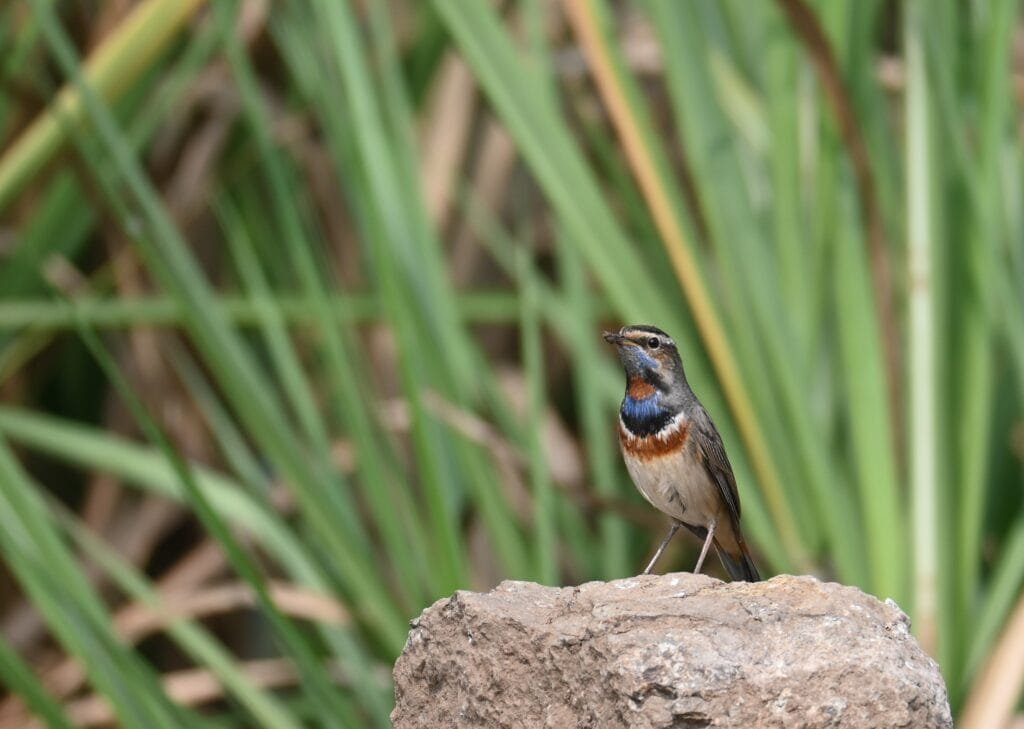
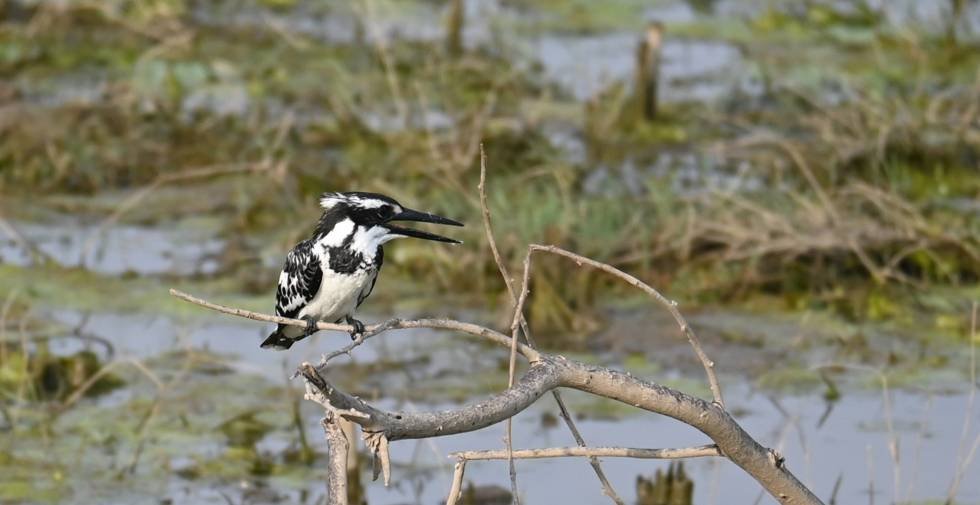
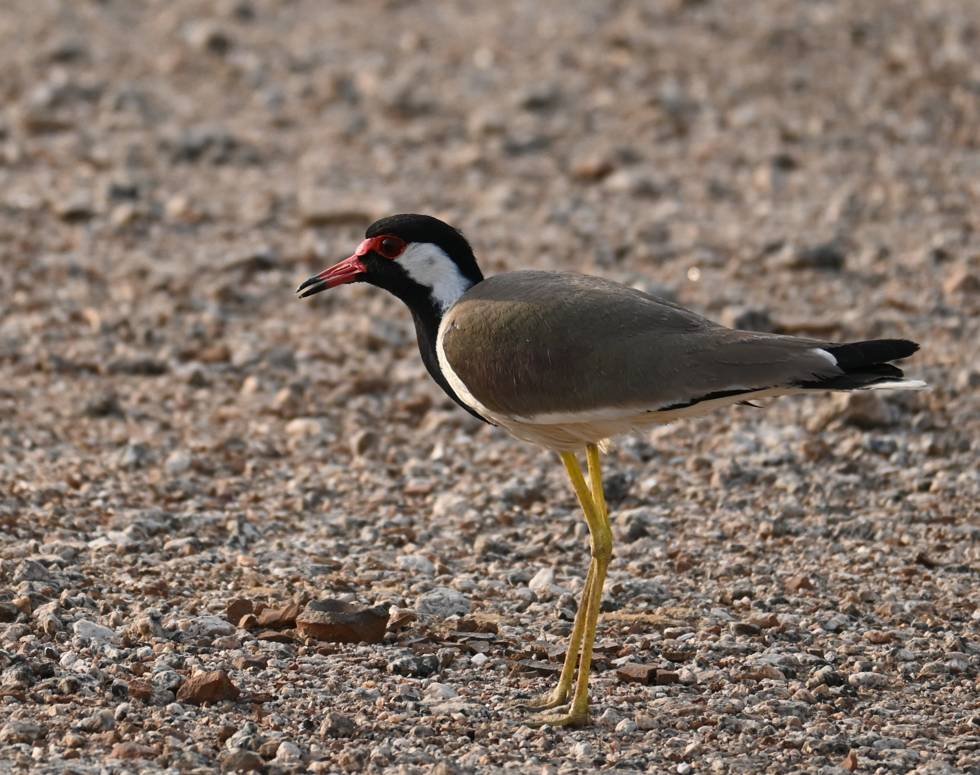
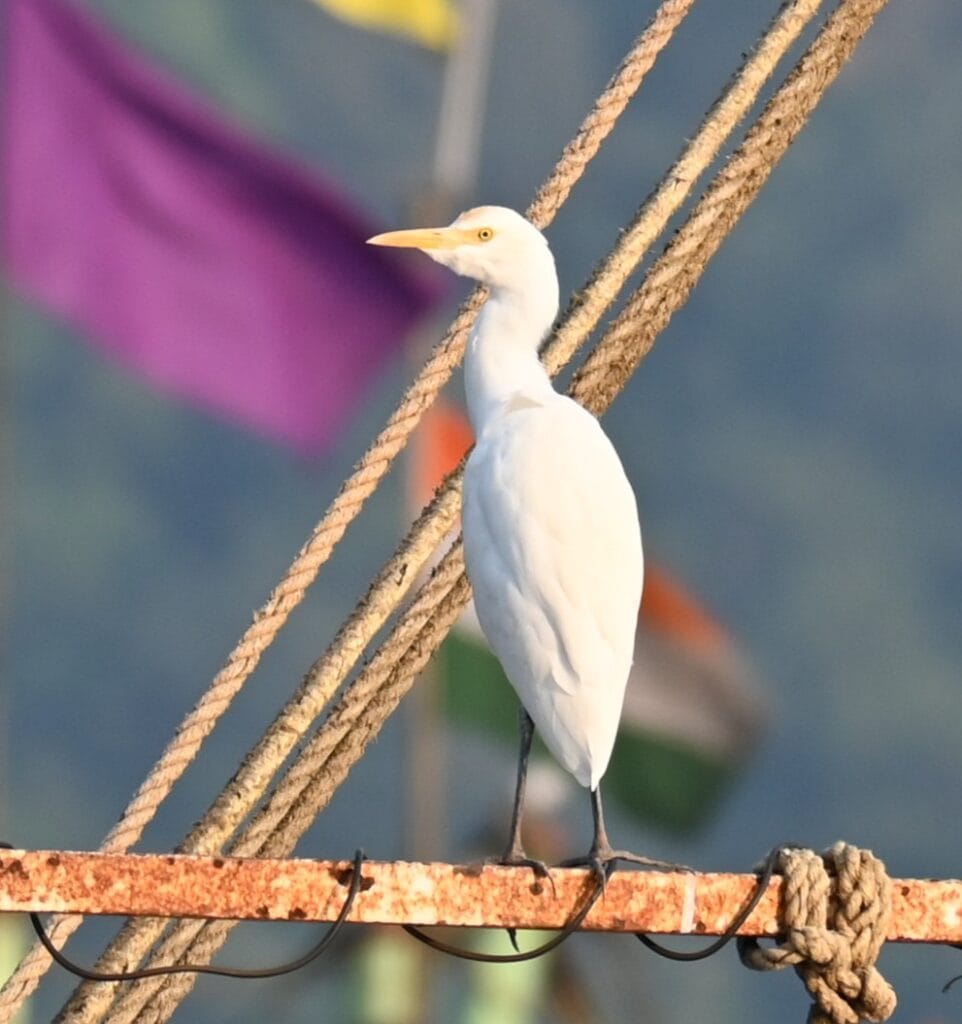
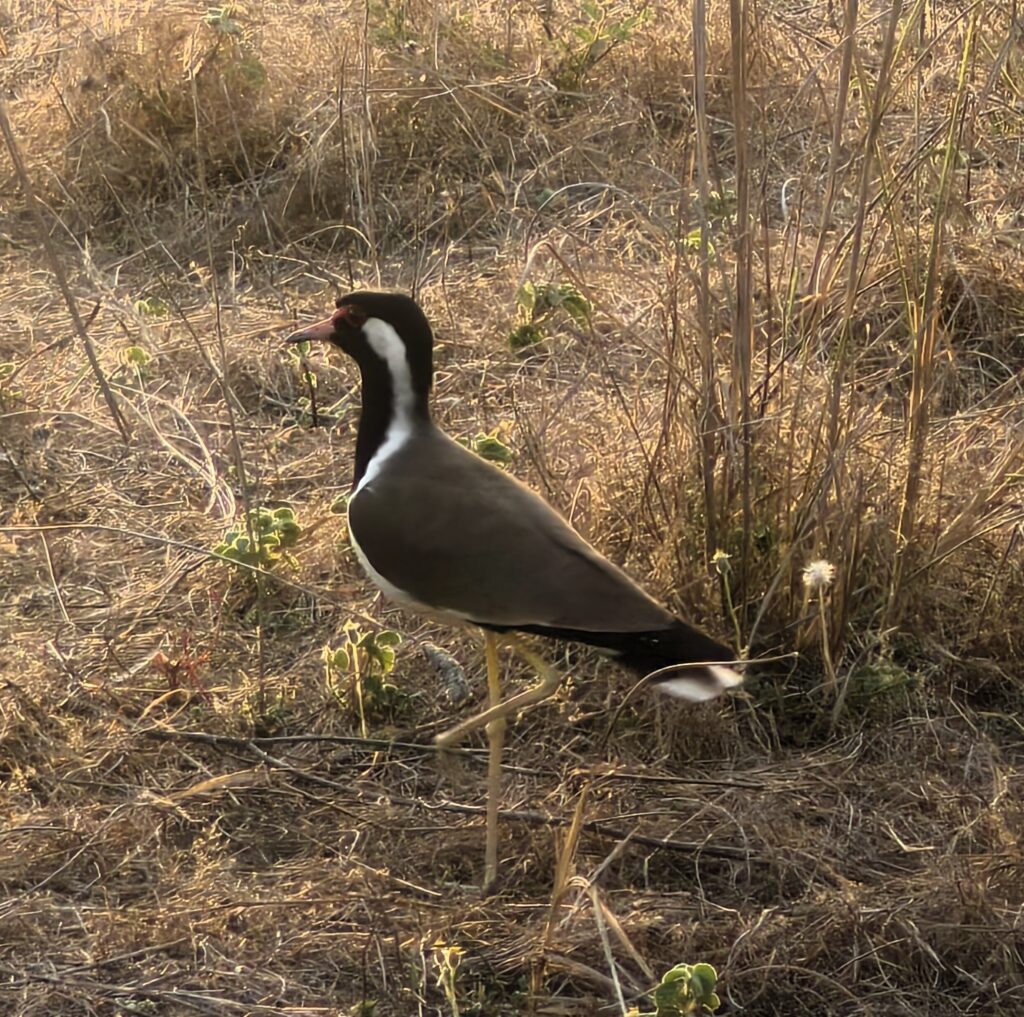
More on these: the bluethroat at Bhigwan and the red-wattled lapwing.
Eagles and owls
Raptors sit high and watch. The photographs that work are the ones where the bird is sharp and the sky does not spoil the exposure. A bright grey sky behind a dark bird fools the camera, so we raise the exposure until we can see the feathers.
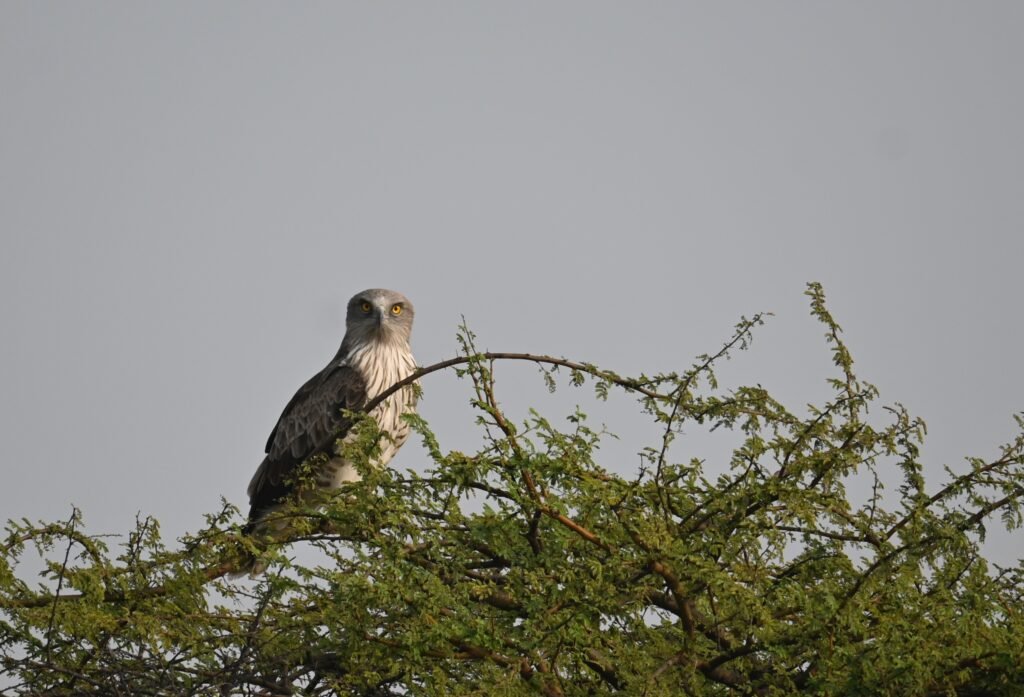
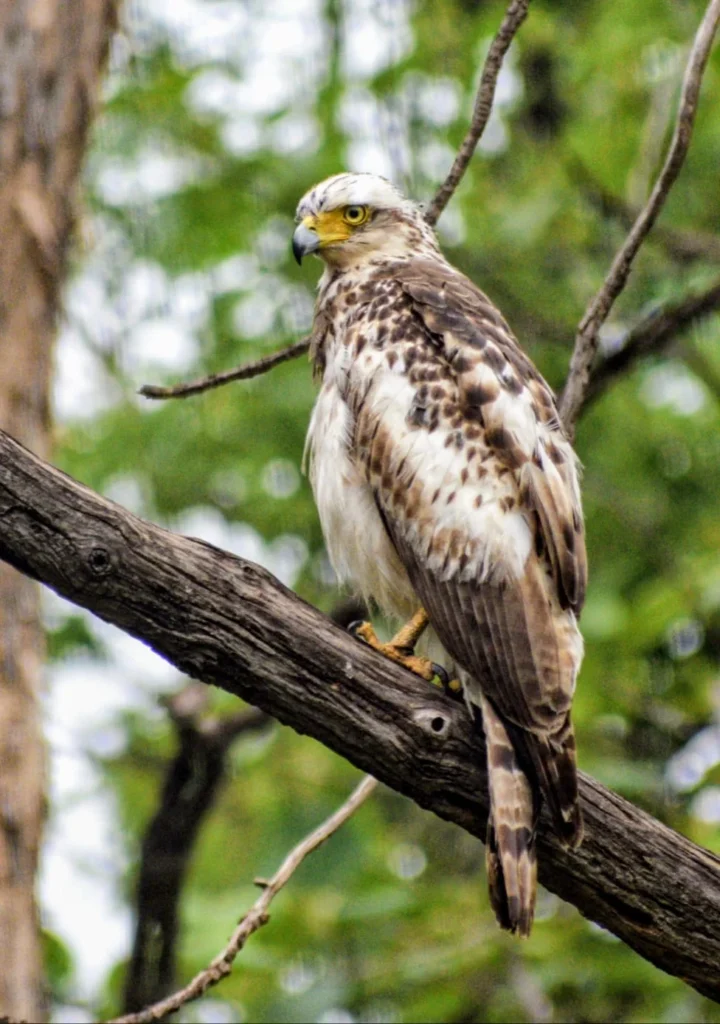
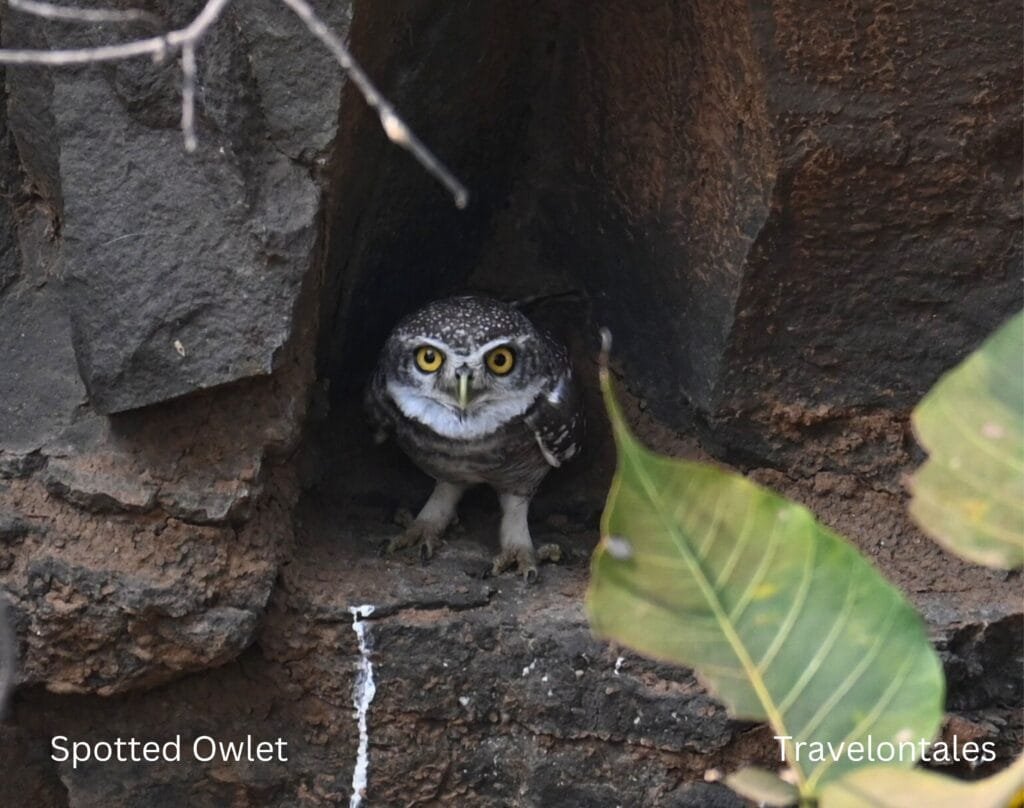
Eagles and owls are some of the most rewarding birds to find. Read the Bonelli’s eagle at Bhigwan and Bhigwan Bird Sanctuary: Best Time to Visit.
Birds of Bandhavgarh
Between tiger sightings, Bandhavgarh is full of birds. More than 250 species live in the park. The lapwing shouts, the peafowl dances, and the storks stand like statues at the edge of the water. Our full list is in Bird Watching at Bandhavgarh.
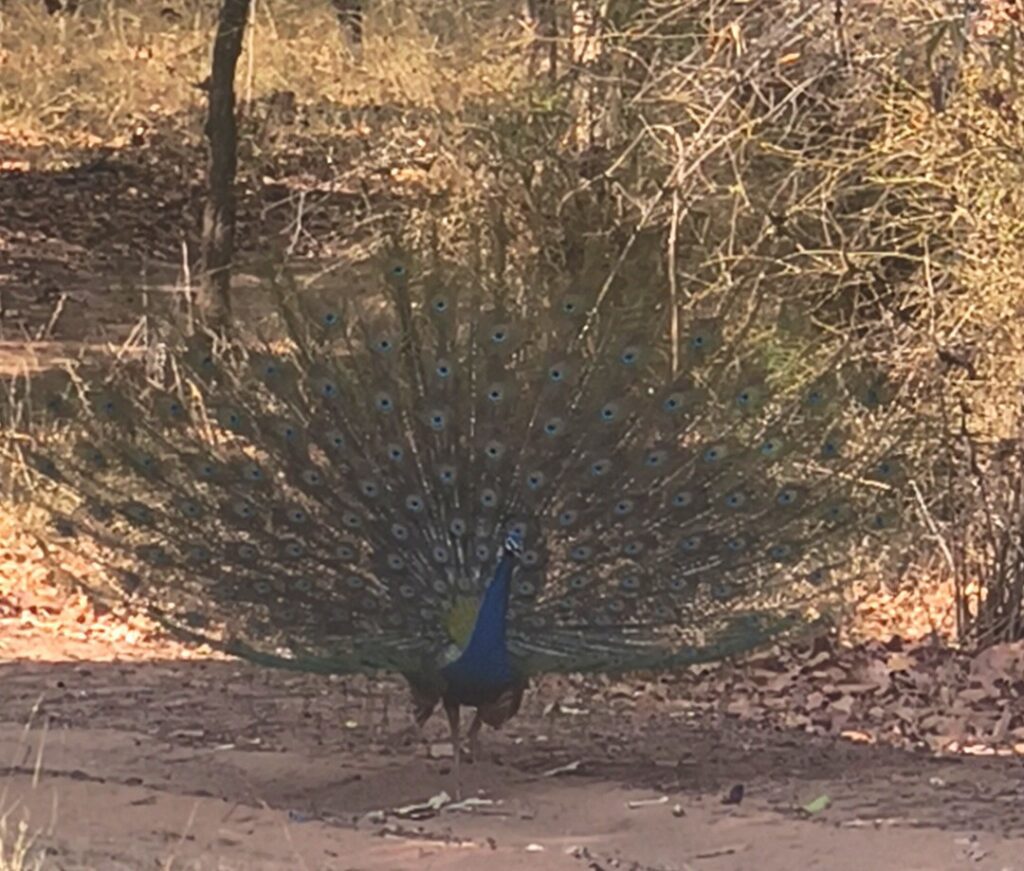
Learn more about this bird in Peacock vs Peahen.
How we take these photographs
People often ask how we get close. The honest answer is that we usually do not. We sit still, we stay quiet, and we let the bird come to us. A few things help:
- We go early. The first two hours after sunrise give soft light and active birds.
- We wear dull colours and move slowly.
- We use a long lens, so we can stay far away.
- We shoot at a fast shutter speed, at least 1/1000 for a perched bird.
- We never use flash, never play recorded calls and never go near a nest.
If you want to try it yourself, read Bird Photography for Beginners.
Want to see these places yourself?
Here are the guides we wrote for each place and season:
- Bird Watching in India: Where to Go and When
- Bird Photography Tours in India
- Bhigwan Bird Sanctuary: Best Time to Visit
- Birdwatching at Jawai
- Birds of Sindhudurg
And if you are ready for bigger animals, see Tiger Photography in India.